- Friday, 29 May 2026

Youths Bring A Power Shift In Parliament
For years, Nepali youths distanced themselves from politics, frustrated by corruption, instability, and old power structures. The youths used to say, 'I hate politics' and 'politics is a dirty game', but now they have taken the plunge into politics themselves, vowing to bring about drastic changes to the nation’s power dynamics. With an unprecedented increase in the number of young lawmakers, young people have reached crucial legislative platforms, shifting their roles from street protesters and social media influencers to decision-makers.
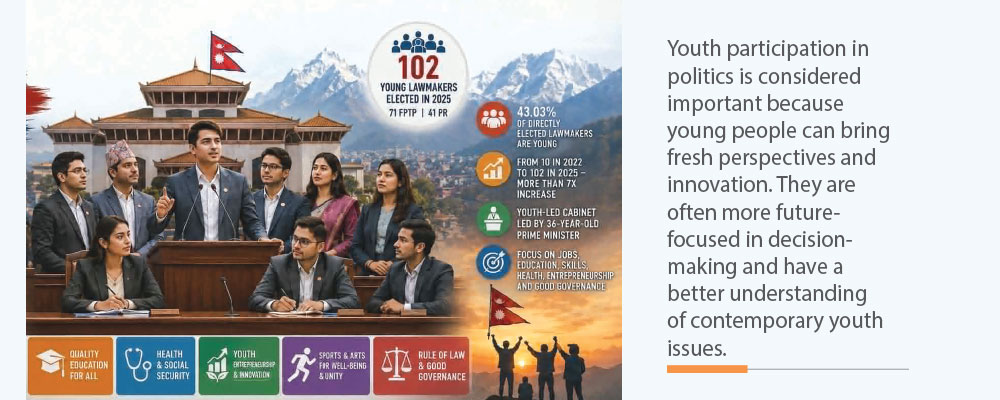
Nepal has a significant young population. According to the latest census, 42.56 per cent of the total population falls within the youth age group (16–40 years). However, Nepali politics had long been dominated by the older generation. In the elections to the House of Representatives in March 2025, voters expressed a clear desire to see more young faces in the upper echelon of political leadership. A total of 102 young people have been elected under the First-Past-the-Post (FPTP) and Proportional Representation (PR) systems. Of them, 71 were elected through the FPTP system and 41 through the PR system.
Dramatic rise
Data from the Election Commission shows that these younger politicians account for 43.03 per cent of those elected through the direct voting system. Among them, four representatives are from the Generation Z age group. The increase is dramatic. In the 2022 parliamentary election, only 10 lawmakers under 40 were elected. The latest results have pushed that number up more than seven times. Most of the younger lawmakers come from the Rastriya Swatantra Party. The party has secured 125 seats in the House under the FPTP, and 62 of them fall below the age of 40.
Not only in parliament, but the current Council of Ministers is also led by 36-year-old Prime Minister Balendra Shah, with an impressive number of youth ministers. The Gen Z movement has also given rise to young politicians active to raise issues of public interest vocally. The continuous activism of leaders like Rakshya Bam, Bhawana Raut, Miraj Dhungana, and Kishori Karki shows youths are returning to shape the nation's future. Youth participation in politics is considered important because young people can bring fresh perspectives and innovation. They are often more future-focused in decision-making and have a better understanding of contemporary youth issues. Greater youth participation can also strengthen democracy and promote inclusion.
The growing participation of youth in national leadership alone is not enough; it must translate into action by addressing the frustrations of Nepali youth, who have long faced underdevelopment, unemployment, and systemic mismanagement.
In this context, these young nations' planners have an opportunity to benefit from the demographic dividend and enter a golden era of prosperity and development, as the expected changes in the country's economic and social sectors have not been achieved due to the political transition. The need of the day is to formulate a concrete and specific strategic action plan with a long-term vision to embody the rights, aspirations and needs of the youth.
Youth entrepreneurship, skills, and employment creation are another major task. Similarly, building strong and healthy youth is the key to a healthy society. No country can achieve the desired goals of development without youth mobilisation, participation, and leadership development. Through their active participation and volunteer role in youth national campaigns and the nation-building process, society and the country can be transformed economically, socially, and culturally.
It is also good to link sports and entertainment with the mental and physical health and personality development of the youth. The development of sports also helps in maintaining national spirit and solidarity among the youth.
Youth involvement
The youth majority Cabinet has rolled out plans and policies to address young people through reforms in employment, education and labour sectors. In the employment and economy, it has been stated that the government aims to shift the economy away from heavy reliance on labour exports by expanding remote work policies, encouraging digital trade, and fostering green industrialisation. It has also proposed a legal framework for remote work.
The policy further mentions that skills gained by migrant workers abroad will be recognised through a digital “skill passport” system. In the labour sector, the government has pledged to ensure workers’ access to legal support and justice, while introducing a digital labour inspection system to guarantee minimum wages, workplace safety, and occupational health standards.
The government has planned to integrate skills, education, labour market information, social security and employment service systems. This government has also continued the programme earning with the learning programme. Besides that, some programmes are also there in policies which can address youths if it will be effective.
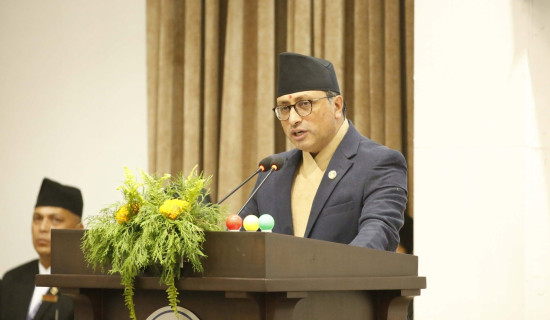
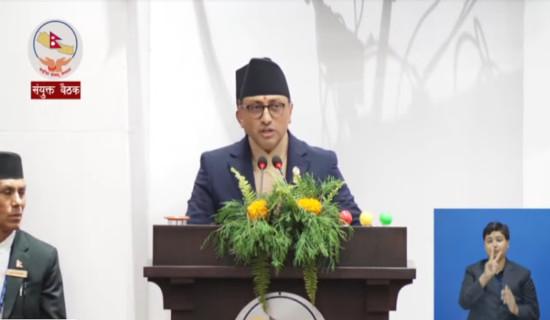
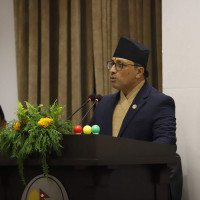
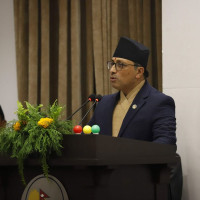
Spokesperson of the government and Minister for Education and Sports, Sasmit Pokharel, told The Rising Nepal, "Right now, the electoral mandate built on the foundation of the Gen Z movement is fundamentally about good governance and freshness in the state structure. Whether you look at Parliament or the government today, there is strong youth leadership and participation. In our democratic republican system, this is a significant structural transformation.”
Minister Pokharel said that while structural changes are made possible through policymaking and good governance, the concerns of young people regarding employment, efficient public service delivery, and easier access to education and healthcare are gradually being addressed.
Skill-based education
“If we fail to provide employment to young people through skill-based education, we will not be able to fulfil their aspirations. The government is working to remove partisan politics from all state mechanisms within the country, reduce unnecessary expenditures, and minimise duplication and delays in government operations,” he said, adding that the hundred-day action plan and the budget for the upcoming fiscal year will clearly demonstrate the government’s commitment toward fulfilling the dreams of the youth.
The government is working to eliminate political interference in the education sector and make education more practical and skill-oriented. An expert task force is currently working on reforming the curriculum framework. In the field of sports as well, partisan politics is being discouraged, moving forward with appointments and operations based on merit and excellence, said the minister. Young politicians are learning by doing as they lead the Cabinet and Parliament, bringing new energy to governance. They must also develop political maturity and respect the contributions of senior leaders who helped establish the republic. Above all, they are responsible for protecting constitutional rights and ensuring Nepal’s social and economic progress.
(Dhakal is a journalist at The Rising Nepal.)
<p>She is Journalist in The Rising Nepal .</p>