- Friday, 29 May 2026

Fixing Economic Woes


Alakh Ranjan
The new government-led by Pushpa Kamal Dahal Prachanda stepped up measures to overcome crisis facing Nepali economy which has, for the first time since the fiscal year 1967-68, has witnessed negative growth. Revenue collection has declined to Rs. 483.76 billion in the first six months of fiscal year 2022-23 from Rs. 590.13 billion in FY 2021-22. The major reason for the decrease in revenue collection can be attributed to the decision to ban the import of luxury items. The import tax is one of the key sources of revenue and import ban to save forex reserves has backfired.
The government has announced a range of austerity measures that could help in fixing the current economic woes. It will slash the 20 per cent budget approved for various headings such as fuel, newspapers, printing and publication of information, service and consultancy. It is expected that these measures will save around Rs. 10.5 billion. In December, the seven-month-old ban on the import of luxury goods was removed ahead of the formation of the new government.
It needs a long-term plan to bring the economy back on track. Falling revenue is an immediate concern and to increase the flow of revenue the government can work on several areas. Nepal needs strong domestic consumption.
With remittances increasing by 31 per cent in FY 2022-23 and the lifting of the import ban, domestic consumption should increase in the coming months which will surely enhance the revenues in the coming months.
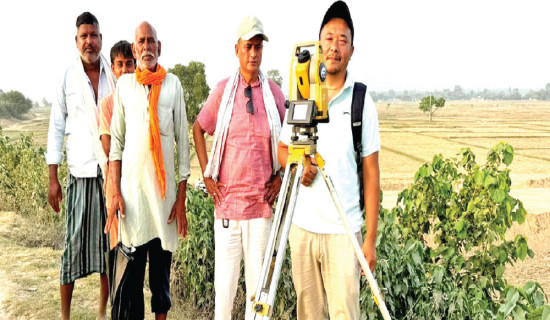
Modernisation of the agricultural sector can also play a crucial role in Nepal’s economy. This sector contributes close to 27 per cent share of GDP and employs more than 58 per cent of the workforce.
Advancements in agriculture will lead to better yields resulting in food security and a reduction of food imports which in turn will save the forex reserves. Nepal grows several high-value crops such as tea, coffee and spices. Improved quality and yield of these crops will lead to high exports, an inflow of foreign currency and generation of employment in the rural areas.
The manufacturing is crucial sector to spur economic growth but in the case of Nepal, it is the weakest link of its economy. This sector has been neglected for more than two decades and its share in economy has contracted by half from eight per cent in 2003 to a mere four per cent in 2020. During the same period, the trade deficit increased by 13-fold. The strong manufacturing sector contributes to grow revenues, lower trade deficits and boost forex reserves. It will also aid in infrastructure development such as transportation networks, energy systems, and communication technology.
This investment will lead to better infrastructure for the country as a whole, benefiting other industries, ensuring a long-term sustainable economy.
Nepal’s economy needs a new outlook and dynamism. It requires committed leadership to deal with these challenging times. The road ahead will not be easy. More bold and dynamic decisions are needed to build a truly sustainable and strong economy.



-original-thumb.jpg)