- Sunday, 7 June 2026

Third quarterly review of Monetary Policy unveiled; Major policy arrangements remain unchanged
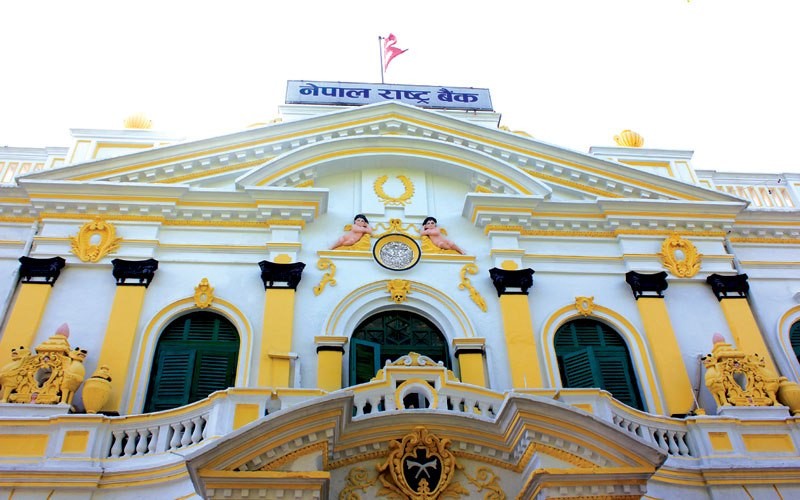
Kathmandu, May 15: The Nepal Rastra Bank (NRB) has unveiled its third quarterly review of the Monetary Policy for the current fiscal year 2082/83, keeping most policy arrangements unchanged.
The central bank has stated that it has continued the course of flexible monetary policy adopted since the beginning of the current fiscal year, considering the foreign exchange reserves and the projections according to the inflation target, as well as the situation of low economic growth.
According to the review, the existing arrangements regarding the interest rate corridor, bank rate, cash reserve requirement (CRR), and statutory liquidity ratio (SLR) have been kept unchanged.
However, the provisions related to Standing Deposit Facility (SDF) provided to banks and financial institutions will be reviewed to make the interest rate corridor more effective, the central bank noted.
Based on the preliminary estimate of the National Statistics Office, Nepal's economic growth rate for the current fiscal year is expected to be 3.85 percent, the central bank stated.
The share of investment in total gross domestic product (GDP), according to the central bank, has increased in the current fiscal year.
Gradual improvement in aggregate demand is expected with the expansion of wholesale and retail trade, domestic and foreign tourism, hydropower, financial and insurance sectors, transport and storage, and information technology sectors.
As the government has prioritized administrative, economic, and legal reforms, continuity in the current monetary policy direction is expected to help increase investment and support the expansion of economic activities.
The central bank has indicated a risk of upward pressure on prices due to global geopolitical tensions albeit inflation remains below the target.
The average consumer inflation up to the third quarter of the current fiscal year has stood at 2.39 percent, and the annual average inflation is projected to remain within the targeted limit.
In this context, the central bank has stated that the current account, net positions, and foreign exchange reserves are on the rise due to a significant increase in remittance inflows.
However, since nearly 40 percent of remittances in Nepal come from West Asia, it has been noted that ongoing tensions in that region could put pressure on remittance inflows, trade deficits, and foreign exchange reserves.
According to the review, although non-performing loans of banks and financial institutions have slightly increased, it is expected that with improvements in economic activity, repayment of such loans will also improve.
The central bank has stated that as of the end of Chaitra 2082 (mid-April 2026), the ratio of primary capital and capital fund to risk-weighted assets is within regulatory standards, indicating overall financial stability.
The financial system has maintained a highly liquid state for the past three years, noting that such circumstances could have an impact on macroeconomic indicators, the review report stated. (RSS)