- Sunday, 10 May 2026

Lure More Tourists

Bini Dahal
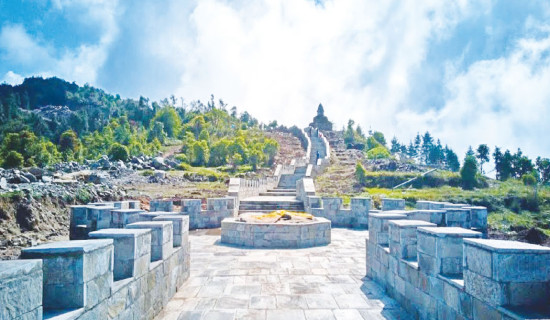
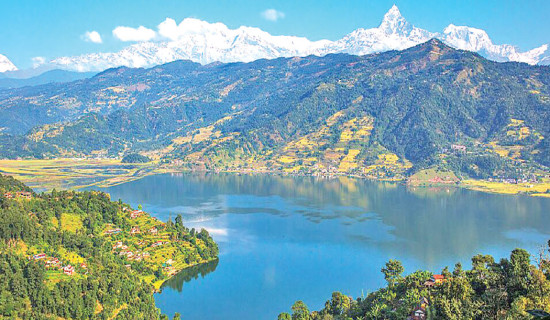
There was a time when I felt Nepal, as a tourist destination, was not recognised much in global platforms. Obviously, people could recognise the country as the Everest nation and that was it. However, with passing times, Nepal is gaining wider popularity around the world. It has become a favourite destination for many tourists. For instance, Tripadvisor has declared Kathmandu as the best travel destination for the year 2024. Likewise, the New York Times (NYT) has listed Mustang as a must-see location in its list of 52 must-visit destinations.
Nepal’s natural beauty is unparalleled and we take pride in our tourism sector. Every successive government is found doing something to increase the inflow of tourists into in the country. A large number of people and their livelihood is heavily dependent on this smokeless industry. In 2023, the nation welcomed more than a million foreign tourists. According to the Nepal Rastra Bank (NRB), in the first six months of the current fiscal year (2080/81 B.S.), the country was able to earn about Rs. 39.8 billion from the tourism sector. This amount is a 44 per cent increase compared to the same period in fiscal year 2079/80 B.S. It shows that the nation’s tourism industry has made a great stride.
When it comes to monitoring the inflow of travellers, we focus on their numbers, their length of stay within the country and their average spending during their stay. The ultimate goal is always about increasing these aspects so as to boost the national economy. Recently, the Ministry of Culture, Tourism and Civil Aviation released statistics that the average per tourist spending has increased by US$ four. On average, they spent US$ 44.5 up until Nepali month of Mangsir in 2080 B.S. In 2079 B.S. their average spending stood at US$ 40.5. This indicates that with an increase in the number of tourists in the country, their spending has also gone up.
But the length of stay of tourists does not seem to have improved significantly. In 2023, the average length of stay was 13.4 days. While this is a slight improvement from 2022 when the average length of stay was 13.1 days, the figure is still lower as compared to 2021. In 2021, the average length of stay was 15.5 days. Ensuring that the tourists stay for a longer period of time is key to strengthening the tourism industry. In order to ensure that tourists stay in the country for a longer time, the government authorities and the private sector have to make joint efforts. Tour operators, in collaboration with hotels, airlines and other stakeholders, should come up with more lucrative packages for tourists.
Also, priority must be given to the development of tourism infrastructure. Tourism can only flourish when visitors are prioritised and provided with necessary services. For this, the government should concentrate its efforts on promoting and marketing the country and its unique tourist attractions in the international arena. We have enormous potential for tourism growth. But we should be competitive in prices and offer better accommodation and other facilities to tourists. When branding and services are top-notch, we are able to easily compete in the international market.
Having said this, the existing natural resources will have to be maintained to provide sustainability to the tourism sector. The aforementioned figures should be taken into consideration by the concerned authorities to develop necessary policies and effectively implement them. Because the tourism sector is Nepal’s strength, it should be harnessed to the fullest potential.