- Tuesday, 2 June 2026

Growing Emergence Of Artificial Intelligence
 Aryan Halan
Aryan Halan
Aryan Halan
In today's digital age, the rapid advancement of technology has opened up new avenues and possibilities for businesses and industries across the globe. One such field that has witnessed tremendous growth and transformation is data science and artificial intelligence (AI). The convergence of these two disciplines has revolutionised the way organisations operate, make decisions, and derive insights from vast amounts of data.
Data science, as a discipline, revolves around the extraction, analysis, and interpretation of structured and unstructured data to gain valuable insights and drive informed decision-making. Artificial intelligence, on the other hand, refers to the development of intelligent machines that can perform tasks that typically require human intelligence. The combination of data science and AI has enabled organisations to leverage the power of data to develop advanced algorithms and models that can learn from data, recognise patterns, and make predictions or recommendations.
Meaningful Insights
One of the key drivers behind the growing prominence of data science and AI is the exponential growth in data generation.
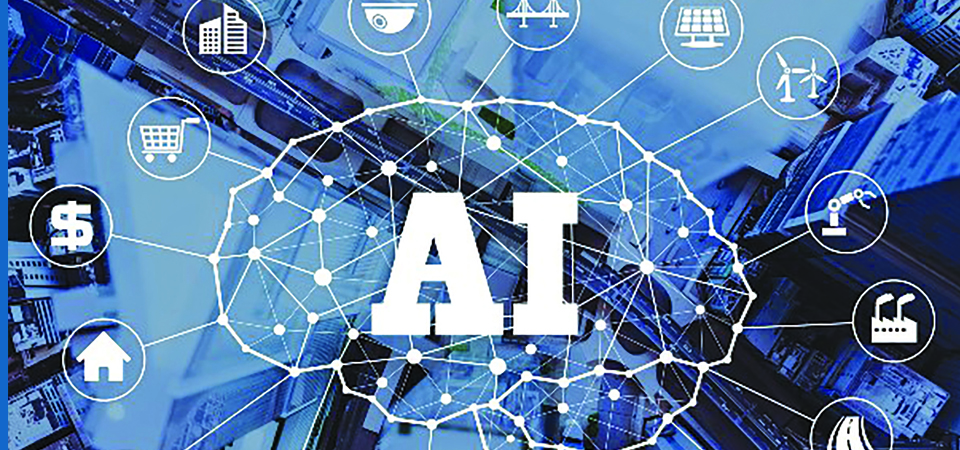
With the rise of the internet, social media, and various digital platforms, enormous amounts of data are being generated every second. Organisations are now realising the immense value that lies within this data and are investing heavily in data science and AI technologies to extract meaningful insights and gain a competitive edge. From healthcare and finance to manufacturing and retail, data science and AI are transforming industries across the board.
In the healthcare sector, data science and AI are playing a pivotal role in disease diagnosis, drug discovery, and personalised medicine. Advanced algorithms can analyse vast amounts of patient data, including medical records, genetic information, and lifestyle factors, to detect patterns and make accurate predictions about disease risks and treatment outcomes. AI-powered robots and chatbots are also being used to improve patient care and provide round-the-clock support.
Financial institutions are leveraging data science and AI to detect fraudulent activities, manage risk, and provide personalised financial services. Machine learning algorithms can analyse historical data to identify patterns of fraudulent transactions, enabling banks to prevent potential threats. AI-powered chatbots and virtual assistants are enhancing customer experiences by providing personalised recommendations and assisting with financial planning.
In the manufacturing industry, data science and AI are driving the concept of Industry 4.0.
By integrating IoT sensors and data analytics, manufacturers can gather real-time data on equipment performance, production efficiency, and supply chain operations. Predictive maintenance models can analyse this data to detect potential equipment failures and schedule maintenance proactively, minimising downtime and optimising productivity.
Retailers are leveraging data science and AI to gain insights into consumer behaviour, preferences, and buying patterns. By analysing customer data, including purchase history, browsing behaviour, and social media interactions, retailers can personalise marketing campaigns, offer tailored product recommendations, and optimise inventory management.
AI-powered virtual assistants and chatbots are also being used to enhance customer service by providing instant responses and personalised support. The future implications of data science and AI are vast and exciting. As technology continues to advance, we can expect even greater integration of AI and data science in various aspects of our lives.
From autonomous vehicles and smart cities to personalised education and augmented reality, the possibilities are limitless.
However, along with the immense potential, data science and AI also raise ethical concerns and challenges. Issues such as data privacy, algorithmic bias, and job displacement need to be addressed and regulated to ensure responsible and ethical use of these technologies.
The growing emergence of data science and artificial intelligence is reshaping industries and revolutionising the way organisations operate.
The ability to extract insights from vast amounts of data and develop intelligent algorithms has the potential to drive innovation, improve decision-making, and transform various sectors. As we move forward, it is crucial to strike a balance.