- Saturday, 9 May 2026

Deal Cyberbullying With Empathy
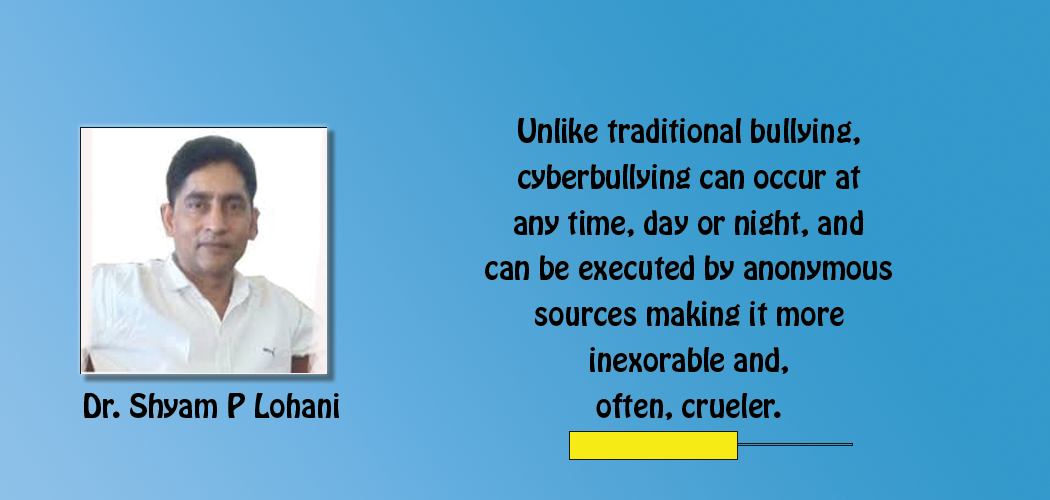

Dr. Shyam P Lohani
Cyberbullying is a harassment of persons by using digital devices like cell phones, computers, and tablets. Cyberbullying usually occurs through SMS, text, and apps, or online in social media forums, or gaming where people can view, participate in, or share contents. Sending, posting, or sharing negative, harmful, false or mean contents are included in cyberbullying. It also encompasses sharing personal or private information causing embarrassment or humiliation. Some cyberbullying even crosses the limit into unlawful or criminal behaviours.
The most common places where cyberbullying occurs are social media such as Facebook, Instagram, Snapchat and TikTok. It occurs through instant messaging, direct messaging, and online chatting over the internet, online forums, chat rooms, and message boards, such as Reddit, email, and among online gaming communities.
Repetitive behaviour
It is a repetitive behaviour, aimed at scaring, angering, or shaming the targets. Cyberbullying includes spreading lies about or posting embarrassing photos or videos of someone on social media, sending hurtful, abusive, or threatening messages, images, or videos via messaging platforms, imitating someone, and sending derogatory messages to others on their behalf or through fake accounts.
Traditional bullying and cyberbullying happen side by side. But cyberbullying leaves a digital footprint, a record that can prove useful and provide evidence to help identify the abusers and stop the abuse. Psychological distresses like depressive symptoms, self-injurious behaviours, and suicidal thoughts are associated with cyberbullying.
Bullying can manifest physical and psychological effects on a child. Anxiety, fear, depression, low self-esteem, behavioural issues, and poor academic performance are just a few psychological challenges teens may experience owing to cyberbullying. However, this may be damaging. Unlike traditional bullying, cyberbullying can occur at any time, day or night, and can be executed by anonymous sources making it more inexorable and, often, crueler.
Continuous cyberbullying initiates feelings that cause them to relate to the world around them differently than others. Victims may experience hopelessness and meaninglessness. The effects may cause loss of interest in things they once enjoyed and spending less time interacting with family and friends. And, in some severe cases, depression and suicidal ideation can set in. The added stress of coping due to cyberbullying on a regular basis can cause a loss of intensity of happiness and serenity. It also causes worry and isolation. Cyberbullying decreases self-confidence and feelings of self-worth, which can lead to depression and anxiety.
Targets of bullying may begin to feel intense dissatisfaction with them which leads to the doubt of their worth and value. Cyberbullied child may lose interest in school that result in higher rates of absenteeism than non-bullied teens. Ultimately their grades may also suffer because they find it difficult to concentrate or study. And in some extreme cases, victims may either drop out of school or lose interest in continuing their education after high school.
Sometimes targets of cyberbullying are found responding to their intense feelings by harming themselves. Some of the victims might get engaged in self-harms such as cutting or burning themselves. In fact, research has consistently proved the association between bullying and self-harm. Cyberbullying also increases the risk of suicide. Teens who were continuously cyberbullied through text messages, instant messaging, social media, or apps often begin to feel hopeless and that the only way to relieve the pain is ending their life. As a result, they may fantasise about dying in order to escape the pain.
Similar behavioural changes among those who are bullied in more traditional ways such as exhibition of a loss of interest in activities and engage in secretive behaviour are also seen among victims of cyberbullying. When cyberbullying is prolonged, victims sometimes even exhibit more significant behavioural changes. These can include using drugs or alcohol. Victims of cyberbullying are more likely to engage in substance abuse as well. In fact, one study found that targets of cyberbullying were more than two likely to use marijuana or engage in binge drinking than their peers.
Cyberbullies can be devastating, especially when large numbers of teens are participating in it. The feelings of overwhelm and stress can manifest physically, such as gastrointestinal issues. The stress that resulted from cyberbullying can cause or worsen symptoms like upset stomach, abdominal pain, and stomach ulcers. Victims may also struggle with frequent nausea, vomiting, and diarrhea. Victims of cyberbullying may experience changes in eating habits like skipping meals or binge eating that may transform into a full-blown eating disorder. Cyberbullying also results in disturbances in sleep patterns like insomnia, sleeping more than usual, or nightmares.
Counseling
It is important to help children by taking steps to end the torture due to cyberbullying. Parents may have to report cyberbullying to social media companies, school administrators, and even to the police. It is essential for parents to put an end to the distress. In the meantime, it is recommended not to dismiss the intense negative feelings of the children, but try to make them feel empowered. Communicating with them daily and keeping close looks on changes in mood and behaviour are important in dealing with the victims of cyberbullying.
It is often required to seek the help of a healthcare professional in case of any change in children’s behaviour. The victims can get benefit from a counselor or therapist who specialises in methods to cope with and respond to cyberbullying in healthy ways. Coping strategies recommended by therapists can help the victims deal with the negative effects while building resilience and perseverance.
(Dr. Lohani is the clinical director at the Nepal Drug and Poison Information Center. lohanis@gmail.com)