- Friday, 29 May 2026

Ocean Of Opportunities, Himalayan Challenges

Catapulted to power with a near two-thirds majority in the House of Representatives election, the new Rastriya Swatantra Party (RSP) government rides a wave fueled by the Generation Z youth movement and widespread public frustration expressed at the ballot box. With an unprecedented victory, winning 182 out of 275 seats, the RSP now faces an ocean of opportunities alongside Himalayan challenges.
Overwhelmed by an unexpected win, the party carries the weight of high public expectations, while confronting harsh economic realities and complex foreign affairs. From the outset, it must navigate a tightrope between promise and pragmatism. Yet, this historic moment also presents a unique chance to deliver tangible governance reforms and plant the seeds for sustainable economic growth and development.
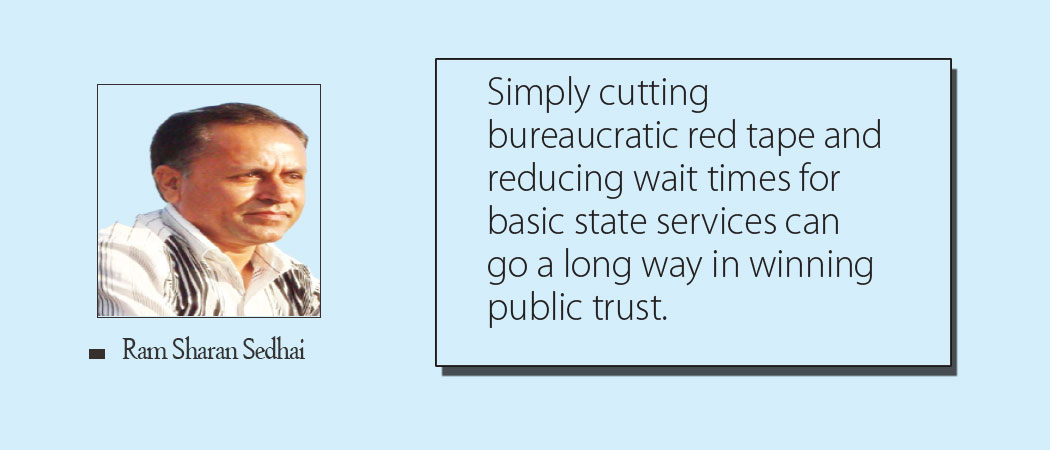
Nepalis are a patient people. They find satisfaction in regular electricity, an uninterrupted water supply, and access to drinking water. They do not demand overnight transformation or sweeping reforms. Even modest improvements in public service delivery - free from bribery and unnecessary delays - will earn their appreciation. Simply cutting bureaucratic red tape and reducing wait times for basic state services can go a long way in winning public trust.
Opportunities
The strong majority government of the RSP has a historic window to transform governance and society in Nepal. Several opportunities stand out:
Curbing corruption and impunity: Corruption remains the single biggest obstacle to Nepal’s economic and social progress. Impunity for the corrupt has eroded public trust and drained resources. The government must punish wrongdoers and restore accountability.
Transforming the bureaucracy: Nepal’s bureaucracy often slows progress like a river blocked by debris. Overstaffed, inefficient, and often corrupt, it delays even basic services. Streamlining processes and removing redundant staff can make government a smooth-flowing channel rather than a clogged bottleneck.
Containing inflation and price: Rising costs hit ordinary citizens the hardest. Artificial shortages and price manipulations - often orchestrated by cartels - have turned daily essentials into treasures. Market regulation is needed to make daily necessities accessible, not luxuries.
Reforming laws and policies: Many existing laws and administrative processes are outdated and inefficient. For instance, issuing driving licenses could be done entirely online, eliminating delays and redundant paperwork. Laws should be revised to reflect modern capabilities and ensure that public servants perform their duties efficiently or face removal.
Making school education truly free: While education up to grade 10 is principally free, hidden fees, partial stipends, lack of school meals, and poor learning environments reduce student retention. Eliminating unnecessary examinations like the Secondary Education Examination can significantly increase access to higher education.
Ending 'gunda raj': The practice of violence and coercion in business deals, commonly referred to as ‘gunda raj’, continues in construction, supply chains, and even parking operations. Parking should be free as vehicle owners already pay hefty taxes. Ending gunda raj is essential for restoring law, order, and fairness in economic activities.
Digitalising: Excessive paperwork fuels corruption and delays. Moving all public services online - such as citizenship certificates, passports, and driving licenses - can drastically reduce opportunities for bribery, cut service delivery times, and enhance citizen satisfaction.
Cutting unproductive expenses: Nepal’s government currently sustains numerous commissions and ministries whose relevance is questionable. Consolidating commissions and ministries while reducing staff can save resources without compromising rights.
Protecting and promoting domestic products: The trade deficit is alarming. Except for unavoidable imports, Nepal should prioritize locally grown foods, fruits, and vegetables, reducing reliance on imports and supporting domestic farmers.
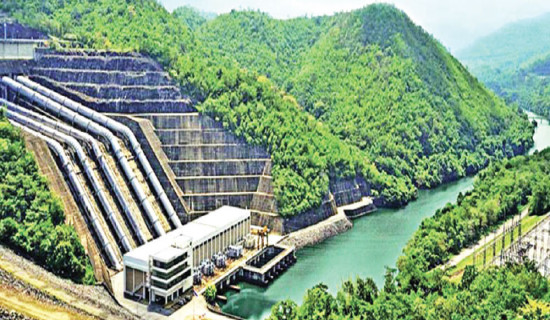
Promoting clean energy: Fossil fuel imports heavily contribute to the trade deficit. Reducing taxes on electric vehicles, promoting local assembly plants, and ensuring competitive pricing can boost adoption. Government staff transport should shift to electric buses, and incentives should go to mass transit rather than individual vehicles.
Reconsidering unionization: There are as many unions as political parties. Unions have lost relevance and often impede efficiency. Continuing ineffective bargaining and protecting underperforming workers fosters bad governance. Phasing out unions could improve organizational performance.
Initiating constitutional amendment: Certain constitutional provisions fuel political instability and corruption. While challenging, initiating steps to amend these provisions is critical for long-term stability and effective governance.
Challenges
Opportunities are vast, and challenges are formidable - like scaling a mountain with shifting ground beneath one’s feet.
Employment and growth targets: Generating 1.2 million jobs in five years is an uphill task, especially amid slowing remittances in the wake of Middle East tensions. Likewise, achieving 7 per cent annual growth and raising per capita income to $3,000 appear ambitious without a strong industrial base, investment climate, and domestic employment opportunities.
Basic services and infrastructure: Ensuring 24-hour potable water nationwide remains elusive. From Dharan’s chronic shortages to drying aquifers in the Tarai and water-scarce hill settlements, geography itself resists easy solutions. Similarly, building 30,000 km of roads and delivering large-scale projects is constrained by corruption, delayed payments, monsoon disruptions, and sluggish contractors - progress often moves at a snail's pace.
Agriculture and productivity: Boosting productivity is critical yet constrained. Farmers continue to face fertilizer shortages, inadequate irrigation, and dependence on imports. Comprehensive agricultural reform - land zoning, irrigation, storage, and fair pricing - demands heavy investment in an already deficit-ridden economy.
Financial and institutional constraints: Returning cooperative deposits is another daunting task, as billions have been siphoned off by politically connected operators. Recovering these funds without straining the state coffers is highly challenging.
Structural and political barriers: Entrenched cartels in transport resist reform, often bringing services to a halt when challenged. Likewise, depoliticizing universities and schools is easier said than done; attempts at reform risk immediate backlash.
In sum, the road ahead is narrow and uneven, demanding both resolve and realism. The most unsettling part is that the RSP has stated in its manifesto that failure to deliver on these promises will carry consequences.
(Sedhai is a freelance writer.)