- Monday, 8 June 2026

Context - March 8, International Women’s Day: Women’s Access to Eye Health in Nepal
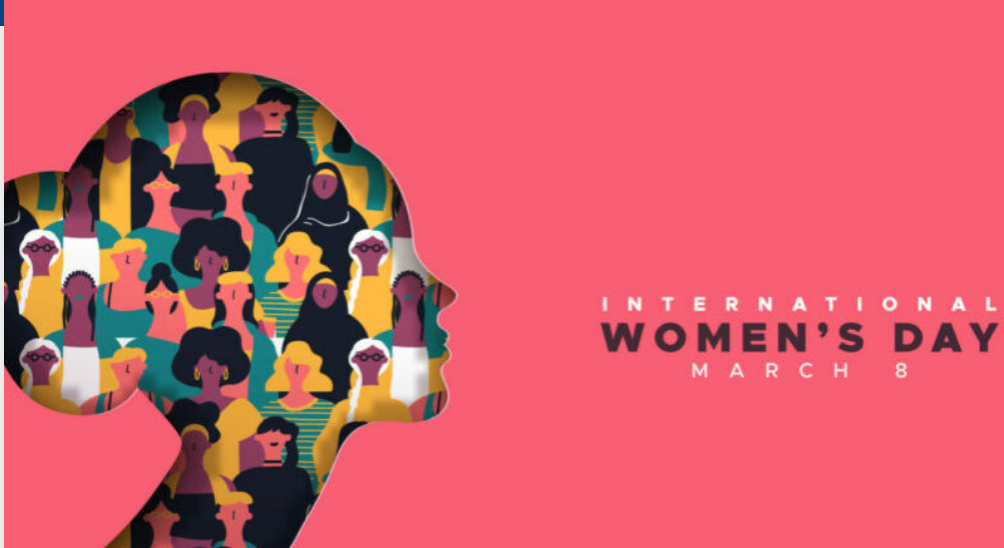
Kathmandu, March 4: International Women’s Day is not just a date on the calendar. It is a reminder; a reminder of the strength, resilience, and contributions of women in every sphere of society. It is a celebration of rights and equality, but also a reflection on the work that still needs to be done.
In Nepal’s eye health sector, women have been playing vital roles ever since; as ophthalmologists, nurses, ophthalmic assistants, community health volunteers, managers, and leaders. From remote hills and rural villages to busy urban hospitals, women are working day and night to expand access to eye care, reduce blindness, and raise awareness within communities.
However, women are not just involved as service providers; as service recipients, they also require special attention. Due to social, economic, and cultural factors, women are at risk of being deprived of timely treatment. In this context, gender-inclusive policies, women-friendly service environments, and strong female representation in leadership positions are extreme necessities. On the occasion of International Women’s Day, we are evoked of our commitment to honoring women’s contributions in Nepal’s eye health sector and ensuring equal access and opportunities.
In Nepal, the role of Nepal Netra Jyoti Sangh in reducing blindness and expanding quality eye health services has been historic and pioneering. Women’s participation in the eye hospitals, eye care centers, community-based programs, and awareness campaigns operated by the organization has been significant.
From doctors and various health professionals to ophthalmic assistants and managers, women have taken on leadership responsibilities and are guiding the institution toward sustainable and result-oriented progress. This has strengthened not only institutional development but also the message of women’s empowerment.
The organization has been working in collaboration with female community health volunteers and mothers’ groups to conduct eye screening camps, school eye health programs, and women-centered awareness campaigns. Expanding service access by ensuring timely identification and treatment for rural and underprivileged women remains a key priority.
In the context of International Women’s Day, Nepal Netra Jyoti Sangh has initiated and advanced various programs aimed at further strengthening women’s leadership, participation, and equal opportunities in the eye health sector.
Over the past few decades, Nepal has achieved remarkable progress in reducing blindness. The prevalence of blindness, which was 0.84 percent in 1981, declined to 0.28 percent by 2021.
Community-based eye health programs, timely cataract surgeries, school eye screenings, and increased public awareness have contributed significantly to this progress. Women’s active participation; be it as service providers or as community awareness leaders; has been decisive in this campaign.
Currently, under Nepal Netra Jyoti Sangh, 28 eye hospitals, 226 eye treatment centers, and 34 branch offices are operating nationwide, with approximately 2,600 staff members. Although the workforce is relatively balanced; with approximately 53 percent men and 47 percent women; the representation of women in senior leadership positions remains comparatively low. Increasing women’s presence at the decision-making level is an important area that requires continued attention and commitment.
Despite the expansion of eye health services across Nepal, a clear disparity in service access between women and men still exists. Prioritizing women and children, particularly in remote and marginalized communities, remains a key strategy of the organization.
Eye Health Issues Among Women in Nepal
Data on eye-related patients in Nepal show that women are more affected than men. The RAAB survey conducted in 2021 indicated a higher prevalence of blindness among women compared to men. Among women aged 50 and above, the prevalence of blindness is approximately 1.3 percent, while among men it is about 0.9 percent. Studies examining eye health service coverage and utilization also highlight this disparity. Several national and international reports; including analyses by the World Health Organization (WHO) and the International Agency for the Prevention of Blindness (IAPB); consistently indicate that the burden of blindness and visual impairment is greater among women than men.
Ironically, despite bearing a higher burden of eye disease, women utilize eye health services at a lower rate. Available data suggest that only around 80 percent of women receive the eye care services they need, compared to approximately 85 percent of men. This gap reflects ongoing challenges related to access, timely treatment, and the social and economic factors that continue to place women at greater risk. In Nepal, cataract remains the leading cause of blindness. It is a condition that can be fully treated with timely surgery, yet unequal access to care prevents many women from receiving the treatment they require.
A range of social, economic, and cultural factors contribute to this situation, underscoring the need for targeted and sustained efforts to ensure equitable eye health services for women across the country.
Major Reasons Why Women Receive Fewer Eye Care Services:
● Heavy social and family responsibilities that prevent them from prioritizing their own health
● The need for family permission to seek health services in some contexts
● Economic dependence and difficulty managing treatment costs
● Geographic barriers, especially in remote areas
● Lack of gender-sensitive service environments
● Limited awareness about eye diseases and the importance of timely treatment
Necessary Efforts to Improve Women’s Eye Health:
● Increasing women’s participation in leadership positions
● Targeted awareness programs at the community level
● Women-friendly healthcare service environments
● Making financial and geographic access more convenient
● Strengthening the active involvement of female community health volunteers and local women leaders
Improving women’s eye health is not just about enhancing individual well-being; it is directly connected to family’s economic stability, children’s education, and overall community development. When a woman can see clearly, she can contribute more effectively to her family’s well-being and secure a brighter future.
Therefore, ensuring equal access to eye health services is not only a present necessity but also the foundation of inclusive and sustainable development.
Although Nepal has made significant progress in reducing blindness, gender inequality has not been fully eliminated. Expanding targeted, accessible, and gender-sensitive eye health services for women remains an urgent priority.
On the occasion of International Women’s Day, it is essential to firmly establish that eye health is also a fundamental human right. Only by ensuring equal access to healthcare alongside women’s empowerment can the vision of a “Visionary Nepal” truly be realized. (RSS)



-original-thumb.jpg)