- Monday, 25 May 2026

Parties race to finalise manifestos
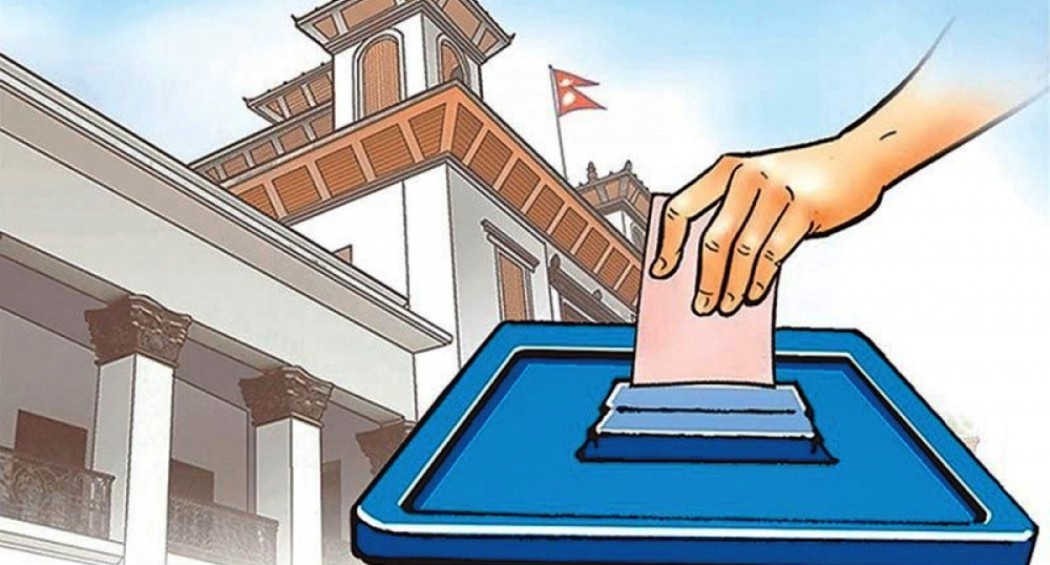
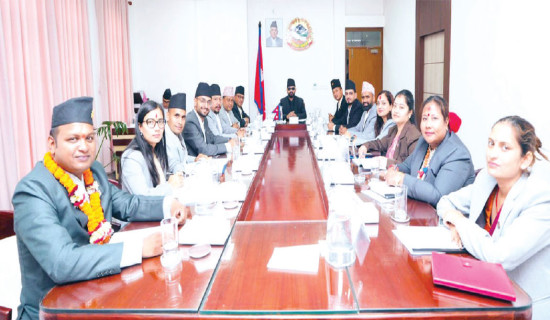
Kathmandu, Jan. 4: The political parties-- big or small, new or old--that are contesting the House of Representatives elections, are now busy preparing their election manifesto.
They have formed dedicated teams and consulted experts to draft their manifestos. The electoral campaign for political parties and candidates will officially begin on February 16, requiring parties to finalise their manifestos beforehand that date.
Drafting manifestos this time has proven particularly challenging amid growing public frustration with traditional parties and the pressure on emerging parties to gain voters' trust, especially in the aftermath of the Gen-Z movement of September last year.
Voters are keenly watching to see what the established and new parties will offer as they compete for public support. The major political parties Nepali Congress (NC), the CPN-UML, Nepali Communist Party (NCP), Rastriya Swatantra Party (RSP) and emerging parties like Ujyalo Nepal Party and Shram Sanskriti Party have intensified discussions on drafting their manifestos.
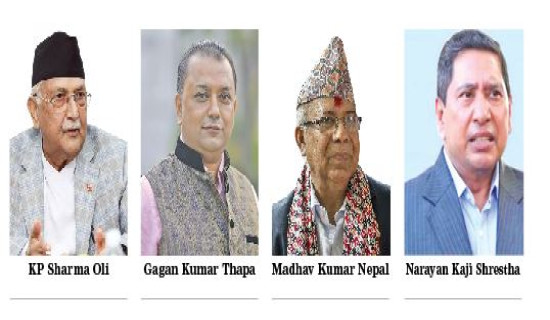
NC has formed a committee led by party president Gagan Thapa. UML has formed a committee led by party chairman KP Sharma Oli. NCP’s committee is led by senior leader Narayan Kaji Shrestha and RSP's by its party vice-chairman Swornim Wagle to draft the election manifesto. The Nepali Congress has begun preparing its election manifesto through expert teams.
Separate teams of five to seven experts are working on political and economic policies, jobs and entrepreneurship, social security, and infrastructure, the party informed.
According to NC, the first draft has already been prepared and is waiting for approval from the party committee.
Party vice president Pushpa Bhusal said good governance and corruption control are the main priorities, to be pursued through governance reforms, including policy, structural, and institutional changes.
“Job creation and entrepreneurship will also be key focus areas, alongside efforts to create jobs annually, enhance entrepreneurship and create an investment-friendly environment through policy and legal reforms,” she said.
The manifesto will promote a liberal economic approach that prioritises growth and promotes an investment-friendly framework. This includes a comprehensive review of relevant policies, acts, and regulations to facilitate investment.
According to her, other priority areas include constitutional amendments and foreign policy. In foreign affairs, emphasis will be placed on relations with neighbouring countries and economic diplomacy.
Investment promotion and sustainable development will also form key pillars, she added.
All these priorities are being organised under a broader framework described as “Ten Visions and Ten Values”, with policies and programmes structured around 10 major pillars, said Bhusal. The party informed that the work on this framework is currently underway and will be unveiled soon.
Likewise, the CPN-UML has also intensified discussion with experts to draft its manifesto.
Min Bahadur Shahi, a central committee member and press coordinator for the general election 2026, said the manifesto drafting process is moving forward, and it will be made public as early as possible once the work is completed.
He said their manifesto would emphasise the supremacy of the Constitution, strengthening democratic governance, inclusive and sustainable economic growth and the eradicat ion of multidimensional and absolute poverty.
According to Shahi, the party is placing strong focus on youth participation and dignified employment, particularly by identifying sectors such as agriculture and industrialisation to generate decent work opportunities.
He added that UML aims to involve young people directly in development planning, governance reforms and constructive nation-building initiatives.
Likewise, Beduram Bhusal, leader of Nepali Communist Party (NCP), said they have formed a 25-member committee led by party-leader Narayan Kaji Shrestha to draft the manifesto.
Talking about the contents of the party’s manifesto, Bhusal said many of the proposed agendas are not new, noting that the party has long worked on inclusion, youth participation and proportional representation, which were incorporated in the Constitution.
He added that the manifesto will also address long-standing issues such as corruption control, good governance, and transparency, including concerns raised by youths during the Gen-Z movement.
“The manifesto will focus on five key areas, safeguarding nationalism, national interest and the Constitution, protecting democracy and existing rights while advancing democratic socialism, reviewing and amending the Constitution with particular emphasis on electoral system reform, promoting economic and social transformation and prioritising increased production and employment generation,” said Bhusal.
He said the party has consistently advocated socialism but acknowledged that the lack of concrete action plans for economic and social transformation had limited progress in production growth and job creation. However, vice-president of RSP and head of the manifesto drafting committee, Swornim Wagle declined to share the manifesto’s priorities and agendas. He said that the drafting is not yet complete and there are no concrete details to share. He, however, confirmed that the manifesto is expected to be finalised and unveiled by mid-February.