- Sunday, 3 May 2026

Kathmandu no longer safe for migratory birds
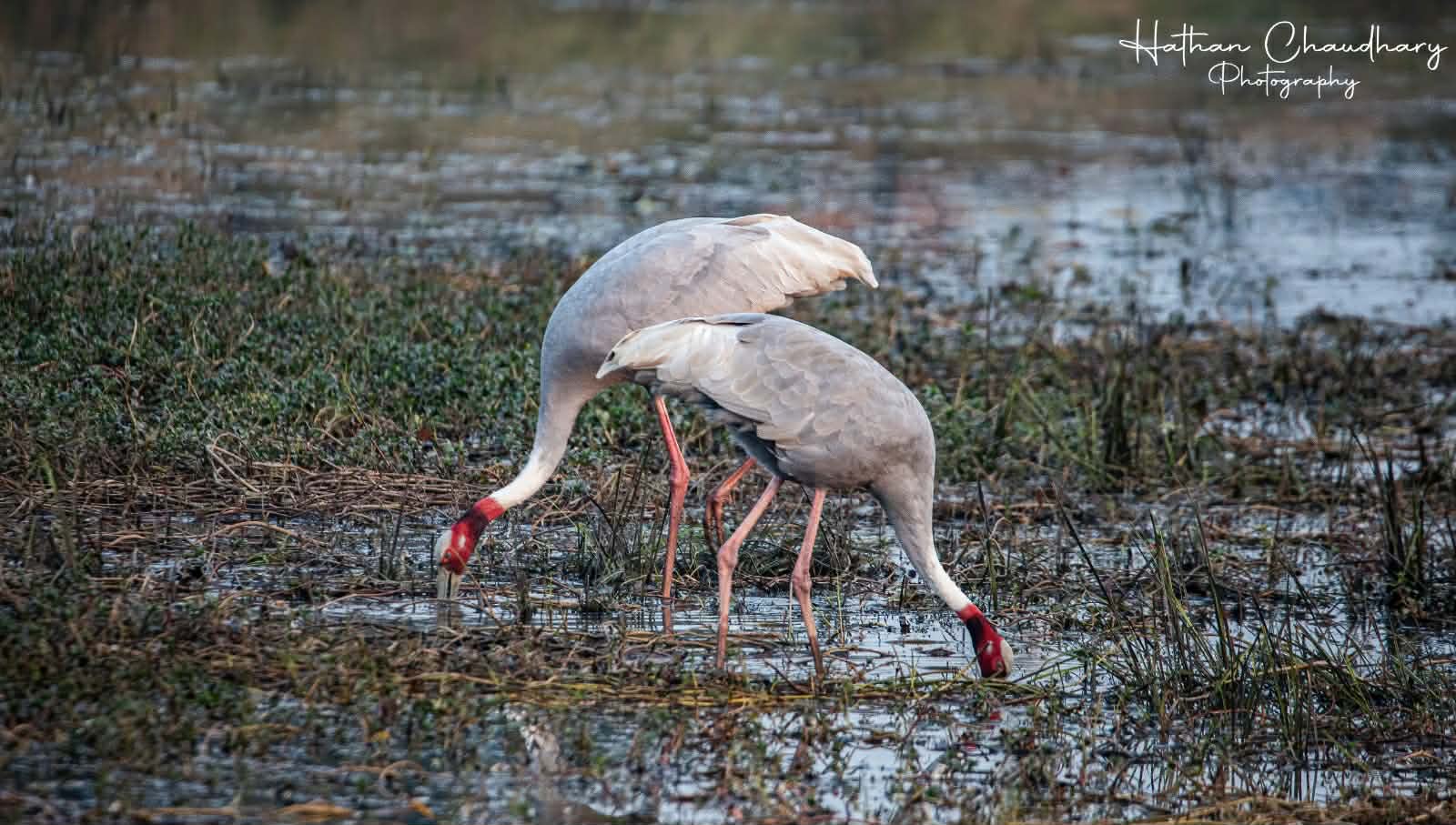

By A Staff Reporter,Kathmandu, Feb. 3: The Kathmandu Valley is becoming an increasingly unsuitable habitat for migratory birds. The evidence is seen in the results of this year’s waterbird census. The situation was particularly severe at Taudaha, a well-known destination for migratory birds.
Taudaha Lake and the Bagmati River area in Kathmandu recorded 164 waterbirds this year, down from 204 last year. “The situation at Taudaha is the worst,” said Laxman Prasad Poudyal, an ornithologist and national coordinator of the Asian Waterbird Census (AWC). “Geese, which used to be a beautiful seasonal visitor in previous years, were not recorded at all this year.”
He said the bird count was conducted from Chovar Ganeshthan to Taudaha and in the Manohara area. “The situation in Manohara is acceptable, but it is disappointing at Taudaha, where many visitors used to come in previous years just to watch birds,” he said.
“We can no longer reverse the situation at Taudaha as it is already badly deteriorated, but we can still protect the Manohara area and other lakes within the valley by maintaining at least a 100-metre buffer along lakes and riverbanks,” Poudyal said.
Situation of wetlands across the country
The number of waterbirds and their species has declined across Nepal’s wetlands this year, according to AWC-2026. A total of 90,688 waterbirds belonging to 89 species were recorded across 18 major wetlands and 78 sub-sites nationwide.
In comparison, the 2025 census had documented 96,565 birds from 94 species, indicating a decrease in both population and species diversity.
The census was conducted by the Department of National Parks and Wildlife Conservation (DNPWC) in coordination with Bird Conservation Nepal. The annual survey aims to monitor the status of migratory and resident waterbirds, assess the health of wetland ecosystems and engage the public in bird conservation efforts across the country.
According to the census results, the number of waterbirds increased in nine wetlands, while it declined in another nine, reflecting uneven trends across different regions. Despite the overall national decline, several wetlands recorded encouraging increases in bird numbers this year.
Shuklaphanta National Park and its surrounding areas recorded the highest increase, with 22,817 waterbirds, up from 20,486 last year. Other wetlands showing growth include the Lumbini area with 4,209 birds, up from 3,154; Puraini and Bandha lakes in Belauri, Kanchanpur, with 2,352 birds, up from 1,349; and Dhanushadham and the Kamala River area, where 2,051 birds were recorded, compared to 692 in 2025.
Similarly, waterbird numbers increased in the Pokhara Valley wetlands, which recorded 3,764 birds, up from 3,441. The Rapti River in Dang recorded 1,194 birds, more than double last year’s count of 571. Hetauda’s wetlands and rivers recorded 379 birds, up from 200, while Manahara Phant in the Kathmandu Valley also recorded 379 birds, compared to 282 last year. Nakhodi Lake in Kailali recorded 314 birds, up from 165.
In contrast, several of the country’s key bird habitats witnessed significant declines. Chitwan National Park and surrounding areas recorded 25,358 birds, down from 27,564 last year. Jagdishpur Reservoir recorded 10,282 birds, down from 12,832, while Koshi Tappu Wildlife Reserve and its surrounding areas saw a sharp fall to 5,890 birds from 10,185.
Declines were also recorded in Bardia National Park and its surroundings, where bird numbers fell to 5,544 from 5,872, and in Barju Lake, which recorded 4,052 birds, down from 6,238. Banke National Park and its surrounding areas recorded 536 birds, down from 1,678, while Rara Lake recorded 253 birds, compared to 502 last year.
In the Ghodaghodi Lake area, the overall number of birds remained largely stable, but the number of species declined, raising concerns about habitat quality.
Haribhadra Acharya, senior ecologist and information officer at the DNPWC, said the findings would be important for future wetland management and conservation planning, particularly in the face of increasing pressure from pollution, habitat degradation and climate change.
-original-thumb.jpg)