- Sunday, 3 May 2026

Medicinal herb exports from Nepalgunj exceeded Rs. 330 million in six months
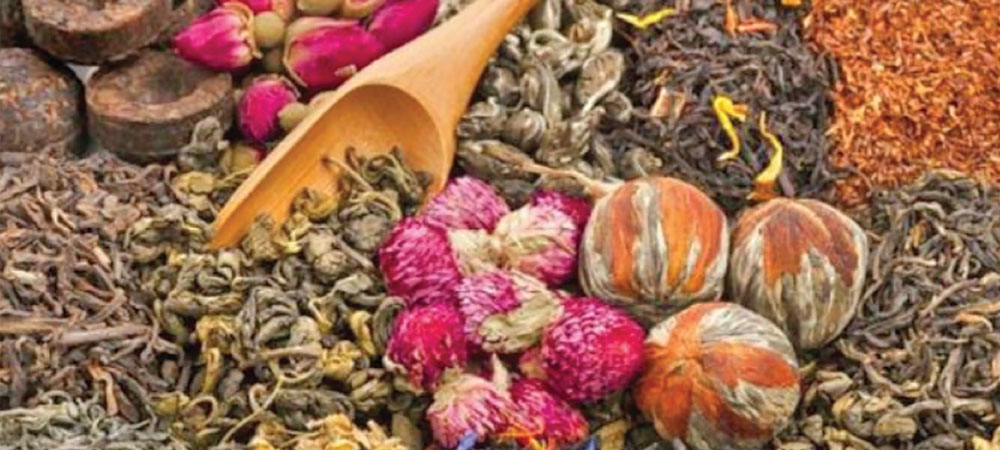

By Siraj Khan,Nepalgunj,Feb.1: The export of medicinal herbs through the Nepalgunj checkpoint—one of the major trade gateways of western Nepal—has begun to increase again.
Nepalgunj, former administrative centre of the Mid-Western and Far-Western regions and the main economic hub of Lumbini Province, is considered a “hub” for the export of medicinal herbs.
According to the Nepalgunj Customs Office, medicinal herbs worth more than Rs. 330 million were exported through this checkpoint during the first six months of the current fiscal year 2025/26.
This is 71 per cent increase compared to the same period of the previous fiscal year.
Information Officer of the Nepalgunj Customs Office Pabitra Kumar Khadka said that around 1,114,804 kilograms of various types of medicinal herbs worth Rs. 331.35 million were exported during the first six months of the current fiscal year.
During the same period of the previous fiscal year, medicinal herbs only worth Rs. 193.47 million were exported from this customs point.
The herbal exports have increased by more than Rs. 140 million during the review period as compared to corresponding period last fiscal year.
The customs office also reported that pine cones was exported for the first time through this checkpoint.
According to the office, around 39,486 tonnes of pine cones worth Rs. 632,000 were exported in the past six months.
Businesspersons said that exports of pine cones have remained low because a 100 per cent tax has been imposed on its export.
Industrialists and traders have said that the trend of exporting processed medicinal herbs has also increased in the recent years.
According to the Herbal Entrepreneurs Association of Nepal, the main herbs exported to India via the Nepalgunj checkpoint include timur, kaulo, satuwa, bojho, and aamla.
Tanka Prasad Sharma, President of the Herbal Entrepreneurs Association of Nepal, said that 85 per cent of the herbs exported from Nepal are exported to India.
He said that herbal exports have been increasing again in the past few years and that exports will increase further if the government introduces a herbal policy that facilitates exports.
According to Sharma, there is a hassle of having to go to the district headquarters to obtain collection permits and exemption certificates in the Himalayan districts.
Small traders are unable to transport medicinal herbs easily, and even transporting them from one district to another has become difficult, according to businesspeople.
-square-thumb.jpg)
-original-thumb.jpg)