- Tuesday, 2 June 2026

Nepal seeks Korean cooperation in energy sector
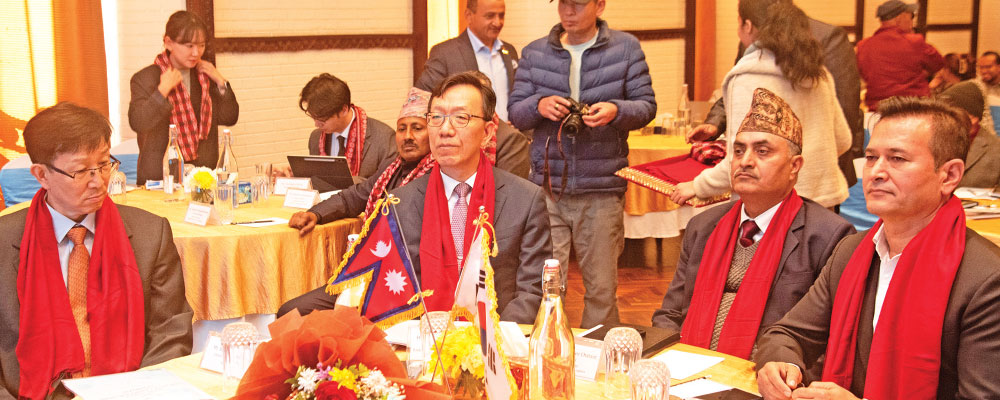

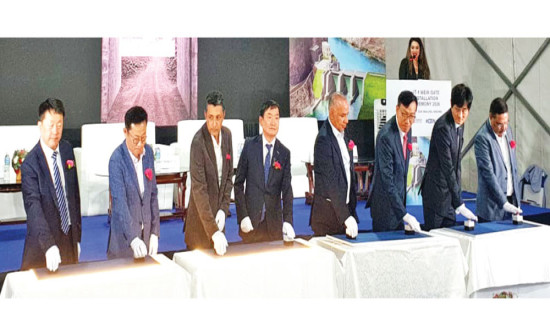
Kathmandu, Dec. 16: The Embassy of the Republic of Korea in Nepal, in collaboration with the Independent Power Producers’ Association, Nepal (IPPAN), organised Nepal–Korea Energy Cooperation Seminar in Kathmandu on Monday.
The seminar, held for the first time in Nepal, aimed to promote cooperation between the private sectors of the two countries, particularly in the energy sector.
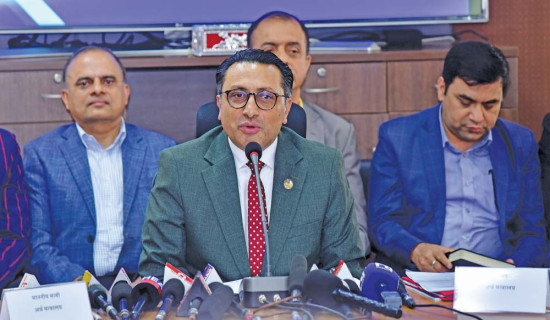
Addressing the seminar, Secretary at the Ministry of Energy, Water Resources and Irrigation, Chiranjeewee Chataut, emphasised the importance of long-term partnerships with Korean investors and officials, especially in hydropower and the broader energy sector.
He recalled that Nepal and Korea have long enjoyed economic cooperation through trade agreements, joint ventures, labour cooperation and shared resources, and expressed hope for increased Korean investment in Nepal’s energy, water resources and irrigation sectors in the coming days.
"The government of Nepal, and the Ministry of Energy in particular, is fully committed to creating a predictable, transparent and investor-friendly environment,” Secretary Chataut said. “We are actively streamlining procedures related to land acquisition, environmental clearance, grid connectivity and repatriation of profits. Our objective is clear: to provide a ‘red carpet’ for genuine investors.”
Stating that Nepal has already begun exporting electricity to India and, very recently, initiated historic power exports to Bangladesh, he said that these milestones firmly position Nepal as an emerging Green Energy Hub and the Green Battery of South Asia.
Highlighting the need for a strong transmission system, Secretary Chataut said Nepal seeks Korean expertise in the development of high-voltage cross-border transmission lines, domestic grid reinforcement and smart grid solutions to ensure system reliability, power evacuation and regional electricity trade.
He also underlined Nepal’s strong potential to produce green hydrogen and green ammonia at competitive costs due to its surplus clean electricity. Referring to South Korea’s global leadership in hydrogen technology, he said that by combining Nepal’s abundant renewable resources with Korea’s technological excellence, the two countries could jointly contribute to the global energy transition.
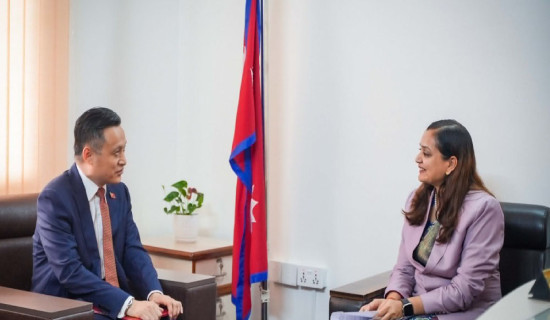
The Ambassador of the Republic of Korea to Nepal, Tae-Young Park said that Korean government has worked together with Nepal for its development and prosperity for more than 50 years and has built three hydropower plants in Nepal along with necessary financing.
He noted the significant potential for collaboration between Nepal and Korea in the energy sector, and used the seminar as an opportunity for companies to understand each other's needs and explore possibilities for future collaborative projects.
At the seminar, embassy of the Republic of Korea provided a directory containing information on Korean companies in the hydropower sector.
The aim of the seminar is organised collaboration with private sector energy producers to attract Korean investment in Nepal.
In his presentation, Madhu Prasad Bhetuwal, former Secretary, government of Nepal, focused on the investment potentials in the hydropower and transmission networks to evacuate the power generated from hydropower generation stations in various parts of the country, and described the government’s policy in this sector.
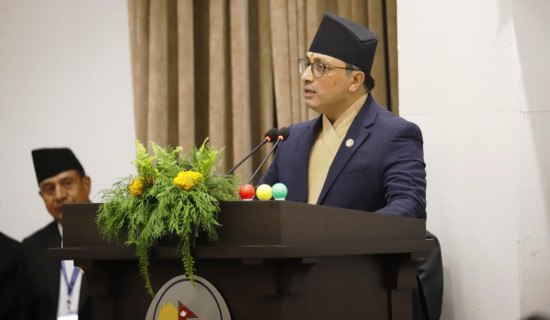
IPPAN President Ganesh Karki urged Korean investors to invest in Nepal’s hydropower projects, citing the country’s dynamic energy market, vast generation potential and developing infrastructure, which offer significant opportunities for regional connectivity.
“With cross-border electricity trade expanding and Nepal’s commitment to clean and sustainable energy, the country is at a critical juncture,” Karki said. “IPPAN remains fully committed to working with international partners and investors to facilitate these investments and foster Nepal’s sustainable development.”
Stating that the future of Nepal–Korea energy cooperation is bright, he said Korean investors could explore opportunities in medium- and large-scale run-of-river projects, reservoir-based and pumped-storage systems, as well as joint ventures with Nepali independent power producers.
The 216 MW Upper Trishuli-1 Hydroelectric Project is one of the largest foreign direct investments in Nepal’s power sector, led by Korean companies. This project stands as a strong testament to Nepal’s investment potential and to Korea’s world-class engineering capabilities.
On the occasion, Youngjin Hong, Managing Director of Nepal Water and Energy Development Company, presented details of the Upper Trishuli-1 hydropower project and experience of Korean FDI under construction project in Nepal.