- Saturday, 9 May 2026

Waging A War Against Cervical Cancer

Cervical cancer remains a significant global health issue, affecting millions of women worldwide. Cervical cancer, a preventable disease, continues to pose a significant threat to women's health worldwide. Despite advancements in medical technology and preventive measures, the disease continues to claim countless lives. Cervical cancer is often referred to as the "silent killer" due to its asymptomatic nature in the early stages. This lack of noticeable symptoms makes it challenging to detect the disease until it has progressed to an advanced stage, reducing the chances of successful treatment.
Globally, a woman dies of cervical cancer in every two minutes. A recent statistics shows that cervical cancer is the fourth most common cancer among women globally. In 2018 alone, an estimated 570,000 new cases and 311,000 deaths reported. These alarming statistics highlight the urgent need for effective prevention and control strategies. Low- and middle-income countries bear the highest burden, accounting for over 85 per cent of cervical cancer cases and deaths. This disparity is primarily due to limited access to screening, early detection, and treatment services.
Leading cause
Cervical cancer is also the leading cause of cancer-related deaths among women in Nepal. The lack of awareness, limited access to healthcare facilities, and cultural barriers contribute to the high mortality rate. Many women in rural areas are unable to access screening services, resulting in late-stage diagnoses and limited treatment options. Persistent infection with high-risk human papillomavirus (HPV) strains is the primary cause of cervical cancer. Other risk factors include early sexual activity, multiple sexual partners, smoking, long-term use of oral contraceptives, and a weakened immune system. Socioeconomic factors, such as poverty, limited education, and lack of healthcare access, further exacerbate the risk of developing cervical cancer.
Nepal's healthcare infrastructure, particularly in rural areas, is inadequate to meet the demands of cervical cancer treatment. The scarcity of well-equipped hospitals, trained healthcare professionals, and specialised oncology centers hampers timely diagnosis and treatment. This scarcity forces many women to travel long distances, often at great expense, to receive appropriate care. A lack of awareness about cervical cancer and its prevention exacerbates the problem. Many women in Nepal have limited knowledge about the disease, its risk factors, and the importance of regular screenings. Educational campaigns and community outreach programs are essential to raise awareness and encourage early detection.
Cervical cancer disproportionately affects marginalised populations, including women from low-income backgrounds, racial and ethnic minorities, and those living in remote areas. These disparities are rooted in social determinants of health, including poverty, limited education, cultural barriers, and inadequate access to healthcare services. Addressing these inequities requires a comprehensive approach that encompasses education, awareness campaigns, improved healthcare infrastructure, and targeted interventions.
Cultural beliefs and practices also play a significant role in hindering cervical cancer treatment in Nepal. Societal taboos surrounding reproductive health and the stigma associated with discussing gynecological issues prevent women from seeking medical help. Improving healthcare access is crucial in the fight against cervical cancer.
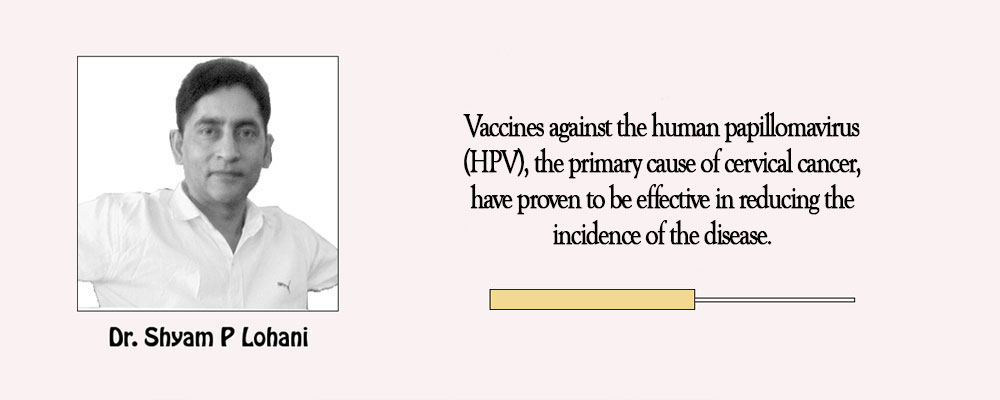
Fortunately, cervical cancer is highly preventable through vaccination and regular screenings. Vaccines against the human papillomavirus (HPV), the primary cause of cervical cancer, have proven to be effective in reducing the incidence of the disease. However, access to these vaccines remains limited in many regions, particularly in developing countries. Governments and healthcare organisations must prioritize the distribution of HPV vaccines to ensure that all women, regardless of their socioeconomic status, have access to this life-saving intervention.
Regular screenings, such as Pap smears and HPV tests, play a crucial role in detecting cervical abnormalities before they progress to cancer. However, many women, especially those in underserved communities, lack access to these screening services. Governments and healthcare providers must invest in comprehensive screening programs, particularly in areas with limited resources, to ensure early detection and timely treatment. To improve the treatment of cervical cancer in Nepal, several measures can be taken. Firstly, the government should prioritise the development of healthcare infrastructure, especially in rural areas. This includes establishing well-equipped hospitals, training healthcare professionals, and creating specialized oncology centers.
Secondly, awareness campaigns should be launched to educate women about cervical cancer, its risk factors, and the importance of regular screenings. Many women, particularly in conservative societies, lack knowledge about the causes, symptoms, and preventive measures associated with cervical cancer. Raising awareness about cervical cancer is vital in combating the disease. Educational campaigns should be launched to inform women about the importance of regular screenings, vaccination, and safe sexual practices. These campaigns should target both urban and rural areas, utilising various mediums such as television, radio, and community gatherings.
Misconceptions
Additionally, debunking common myths and misconceptions surrounding the disease can help eliminate stigmas and encourage women to seek appropriate healthcare. Thirdly, partnerships between the government, non-governmental organizations (NGOs), and international agencies can help mobilise resources and expertise to address the treatment gap. These collaborations can focus on training healthcare professionals, providing necessary medical equipment, and supporting research on cervical cancer prevention and treatment.
Cervical cancer continues to be a significant global health challenge, disproportionately affecting women in low- and middle-income countries. To combat this disease effectively, a multi-faceted approach is required, including increased awareness, vaccination programmes, improved screening services, and enhanced healthcare access. By prioritizing these measures, we can save countless lives and work towards a future where cervical cancer is no longer a silent killer.
(Dr. Lohani is the executive director at Health Concern. lohanis@gmail.com)