- Tuesday, 2 June 2026

Revealing Attires
Are They An Open Invitation?
 Ruchi Dhital
Ruchi Dhital
Ruchi Dhital
Imagine a well-dressed man walking down the street with his bag and shiny shoes. Suddenly, he is pushed against a wall, and a knife is held to his throat by a stranger who demands his money. In such a situation, whose fault is it? According to some people, it is the man's fault because he was asking for it. He was dressed in an expensive suit, and he carried a bag, so he was inviting trouble. Some argue that he should have stayed at home and not worn expensive clothes if he didn't want to be robbed.
This argument is clearly absurd. Now, let's replace robbery with rape and the man with a woman. Nobody invites rape. Nobody wants to be raped. Nobody is responsible for rape except the rapist. Victim-blaming is unacceptable, and we must understand that clothing choices or behavior are not invitations for sexual assault.
Recently, after Sandeep Laamichhane's case, social media became a court, and people started passing judgments on who was to blame. Many questions were raised, and unsolicited opinions were put forward. Why did the girl go to the place where the grown-up man invited her? What was she wearing? People even suggested that the girl might have given him a signal. They blamed her for ruining the cricketer's career.
Awareness About Law
The problem with all these discussions is that people are not aware of the basic laws of our country. The National Penal Code Act 2017 clearly states that the consent of a minor is no consent at all. Therefore, it does not matter what the victim was wearing, how she was talking, or whether she was smiling too much. None of these actions are invitations for sex, and even if they were, a minor's consent is not free consent.
The most alarming thing about all this victim-blaming is that it is coming from ordinary people in our society. If this is the mindset of the average person, one can only imagine what goes through a rapist's mind. Victim-blaming is a dark form of thinking that shifts the burden of responsibility onto the victim/survivor and away from the perpetrator. It is time to stop blaming victims and start holding perpetrators accountable for their actions.
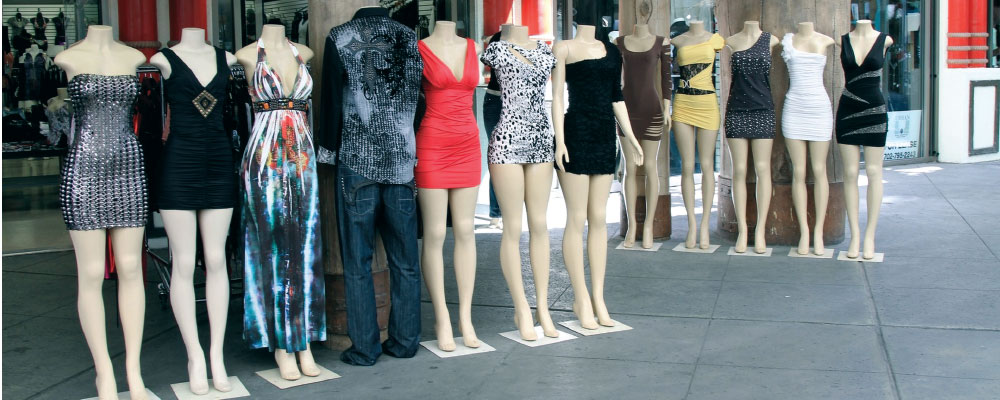
Is it fair to blame women's clothing for provoking men's unwanted advances? If "provocative clothing" is the problem, then why do toddlers' clothes get exhibited? Victim blaming has become a sickening concept. The first question should be, "are you okay?" rather than "what were you wearing?" This shows how insensitive and twisted people's mindsets have become. It's like leaving your windows or doors open on a sunny day isn't an excuse for someone to break in and steal your belongings.
Questions like "But weren't you wearing short skirts?" or "But weren't you intoxicated?" make no sense because assault is assault. Even if someone is drunk and half-naked, they are not asking for sex.
Four years ago, The Quint went to the streets of Delhi, India, in December at night, to ask men why rape happens, who is to blame, and what leads someone to commit rape. A few of the answers included going out late at night and wearing revealing clothes. The scariest thing is that these are not criminals but average men in society who are related to women, who have wives, daughters, sisters, and mothers.
If a woman's clothing size provokes men to rape her, then what about women wearing burkas and sarees? What blame can we place on a toddler for being raped? How do we explain the rape of elderly women, women with mental health issues, and women in comas? What could they have done to attract their rapists? Animals are also sexually abused; should we start covering their bodies too?
Women wearing short skirts and shorts do not carry a signboard proclaiming that they want to have sex with anyone who sees them. The problem is not with the clothes, but with the minds of people. Clothes have nothing to do with getting raped. Do rapists take a break when all women are covered up? If a person is a rapist, they will rape, regardless of what the victim is wearing. If a person is not a rapist, they will not rape, regardless of what the victim is wearing. If a man cannot "control himself," then he needs to be locked up or sent for a mental check-up.
Different people have varying definitions of what constitutes revealing clothing. However, it is unfortunate that even if a girl is wearing a Burkha that only shows her hands, she can still be perceived as immodest and accused of provoking men. But if dressing were the fuel for rape, then we should see fewer rape incidents in countries where women are fully covered. On the contrary, more enlightened countries where women dress freely and express themselves have lower rape rates. In reality, most rapes are perpetrated by individuals known to the victim, such as spouses, dates, neighbors, colleagues, and relatives, and it is mostly a crime of opportunity. The perpetrators do not rape because the victim dressed provocatively; they do it because the victim is accessible and they know how to get her alone or vulnerable.
Understanding consent goes beyond a simple "yes." Saying "yes" in response to pleading, coercing, bullying, harassing, or manipulating someone into it is not consent but rather a "no." In the context of sex, if two people agree to engage in sexual activity, that is consent. If one person says yes, but the other remains silent, that does not equate to consent. Presuming that someone has consent because they had said yes in the past is wrong.
When someone says no, that should be respected, even if it is not the answer that one wants. Trying harder or persisting after a person says no is unacceptable. One of the biggest problems in our society is that we create our own subjective definition of consent. Silence is often mistaken for consent, but it is not. Consent cannot be assumed, no matter how someone dresses, behaves, smiles, or how much they drink. People can withdraw their consent at any time if they feel uncomfortable.
Don't Blame Clothes
Blaming a person's clothes for rape needs to stop. Clothes are not consent, nor have they ever been consent, nor will they ever be consent. People get assaulted in whatever clothes they wear. If clothes were one of the preventive measures for rape, why isn't everyone taught about it? Why are the restrictions only imposed on women's clothing?
Questioning a woman's dress is one of the facets of victim-blaming, and it only adds insult to injury. Suggesting that a woman could have avoided being assaulted if she had covered more of her body instead of providing the psychological support she needs is dismissing her entire autonomy to just a wardrobe choice. Blaming a woman's dress is just an excuse cowardly men use to explain why they committed a crime that they would have committed regardless of what the victim was wearing.
Rape cases often go unreported because women are made to believe that it is their fault. However, it's important to understand that the fault lies solely with the rapist. Rapists are not interested in how their potential victims look or what they are wearing. Instead, they look for vulnerability and submissiveness.
To summarize, the rapist is the only one at fault, regardless of what the victim was wearing.
(The writer is a law student at Kathmandu School of Law)