- Wednesday, 27 May 2026

Amid rising seas, Atlantic City has no plans for retreat


Atlantic City, N.J, Oct 14: Some cities around the world are pulling back from shorelines, as rising seas from climate change increase flooding. But so far, retreat appears out of the question for Atlantic City, New Jersey.
The breezy getaway town is on the water on a barrier, which was once reachable only by boat but in modern times via a causeway. The city fully occupies a small piece of land, water on either side, just above sea level.
“We love our residents,” said Barbara Woolley-Dillon, former Atlantic City Planning and Development Director. “We have one of the most diverse populations… it’s a great place to be, and we have such a thriving community that we want to do everything we can to keep it intact.”
The city, popular with vacation goers in the Eastern U.S., particularly in the summer, brings in billions of dollars in revenue, another incentive to keep it intact as long as possible.
“Atlantic City is a seven billion dollar a year economic engine” that benefits all of southern New Jersey and must be maintained, said Jim Rutala, an Atlantic City planning contractor.
Still, the flooding is getting deeper and more frequent. In 1910, researchers installed a tide gauge at the end of Steel Pier Amusement Park. The gauge shows the sea has risen a foot and a half since then, more than double the global mean sea level rise.
Instead, officials are spending $100 million, from 2016 through next year, to “fortify and armor” the city from rising sea levels by installing sea walls, pump stations and bulkheads, according to Rutala. Unseen by most tourists, a newly built pump station in Fisherman’s Park pushes ocean water that has come ashore back into the bay. It is common to hear construction crews at work building structures with entrances elevated to strict new height requirements.
Other cities in New Jersey have taken a different route to confront flooding. In Woodbridge, about 100 miles north of Atlantic City, in recent years the state has bought and torn down more than 150 homes to remove people and property from the danger of future floods.
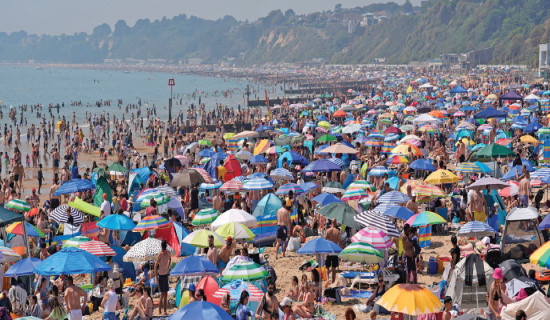
In Atlantic City, tourists and residents walk along street names that inspired the Monopoly board game, such as Baltic Avenue and Park Place. Casinos pull in people hoping to win big at the poker table or slot machines. And outside are wide-open beaches and boardwalk amusement park rides.
Twenty-seven million people visit the resort town annually. For some, it’s a place to escape from their daily lives. For others, it’s a way to live a simple life by the ocean.
For many residents, it’s unbearable to contemplate a future without the city.
“This part of Atlantic City is just very tightly knit and we are a nice little neighborhood,” said elementary school teacher Abby Moul, 47, as she played with her dog in the north part of the island. “It is kind off the beaten path and that’s what I love about it.” (AP)
-original-thumb.jpg)