- Friday, 5 June 2026

Jwalamukhi rural municipality unveils healthy municipality strategy

By TRN Online, Kathmandu, June 5: Jwalamukhi Rural Municipality of Dhading has unveiled a range of programs aimed at declaring the municipality a healthy local government.
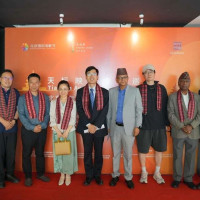
The initiatives were presented during a national-level stakeholder consultation meeting on the "Healthy Jwalamukhi Rural Municipality Strategic Plan and Max Swasthya Palika Program" held in Kathmandu on Friday.
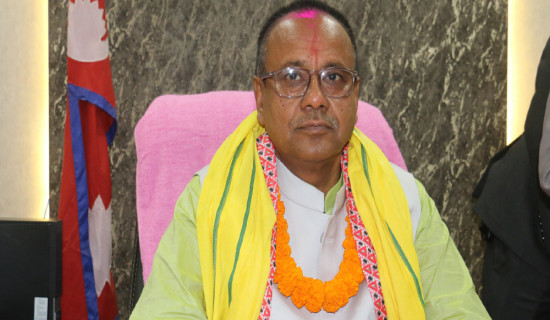
Speaking at the event, Yam Nath Danai, Chairperson of Jwalamukhi Rural Municipality, said the consultation program was organized to foster coordination and collaboration among stakeholders while adopting the Healthy Jwalamukhi Rural Municipality Strategic Plan 2082. The plan is guided by the slogan of serving citizens "from the womb to the grave."
Chairperson Danai said the rural municipality is implementing various measures to achieve its goal of becoming a healthy municipality. These include mobilizing health volunteers and health workers to ensure household cleanliness, expanding access to safe drinking water, providing free ambulance services, and operating a model maternal health program.
He further informed that the municipality's population has recently exceeded 21,000 despite challenges posed by foreign employment and internal migration.
The program was organized by Jwalamukhi Rural Municipality with support from Focus Nepal and Max Foundation.
The initiative promotes water, sanitation and hygiene (WASH), food and nutrition security, and maternal and adolescent health in an integrated manner, with the objective of reducing stunting among children.
Sandip KC, Chief of the Health Section of Dhulikhel Municipality, highlighted the positive changes experienced by citizens following the declaration of Dhulikhel as a healthy city. He noted improvements in various health indicators, including a decline in the suicide rate, and emphasized the impact of health service-related programs on improving people's quality of life.
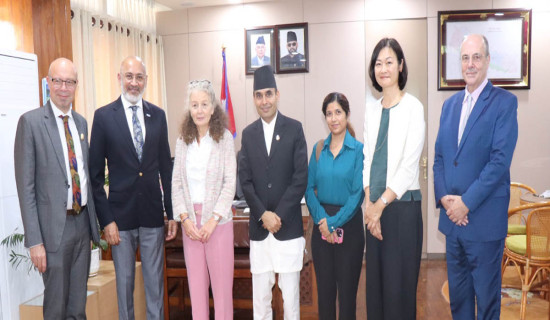
Dr. ATM Tariqual Islam, Country Director of Max Foundation for Bangladesh and Nepal, presented examples of the foundation's work in Ethiopia and Bangladesh. He explained how the organization has improved access to healthcare for underprivileged communities and contributed to reducing maternal and infant mortality rates.
Dr. Islam said that successful health programs implemented in Ethiopia and Bangladesh have been adopted and sustained by local governments. Inspired by these achievements, collaboration has been initiated to develop Jwalamukhi Rural Municipality as a model healthy municipality in Nepal.
Similarly, Dr. Sisay Sinamo, Senior Programme Manager of Ethiopia's Seqota Declaration, shared lessons from Ethiopia's successful implementation of the Healthy Villages concept through a virtual presentation from Ethiopia.
Dharma Bahadur Aryal, Vice-Chairperson of Jwalamukhi Rural Municipality, said that with support from various development partners, the municipality has been implementing integrated programs focused on reducing child malnutrition, improving water supply, sanitation and hygiene, strengthening food and nutrition security, and enhancing maternal and adolescent health. He expressed confidence that continued cooperation would help ensure the success of the Healthy Municipality Campaign.
The municipality stated that it has been encouraging pregnant and postpartum women to utilize institutional delivery services by placing identification flags at households with expectant and new mothers, providing necessary medicines during antenatal check-ups, and offering accommodation facilities for up to four days during health visits.
The local government has also launched a postnatal care campaign under which health workers visit mothers and new-borns with care packages containing essential supplies, further strengthening maternal and child healthcare services.