- Friday, 29 May 2026

Federal, local govts not on same page about educational reforms
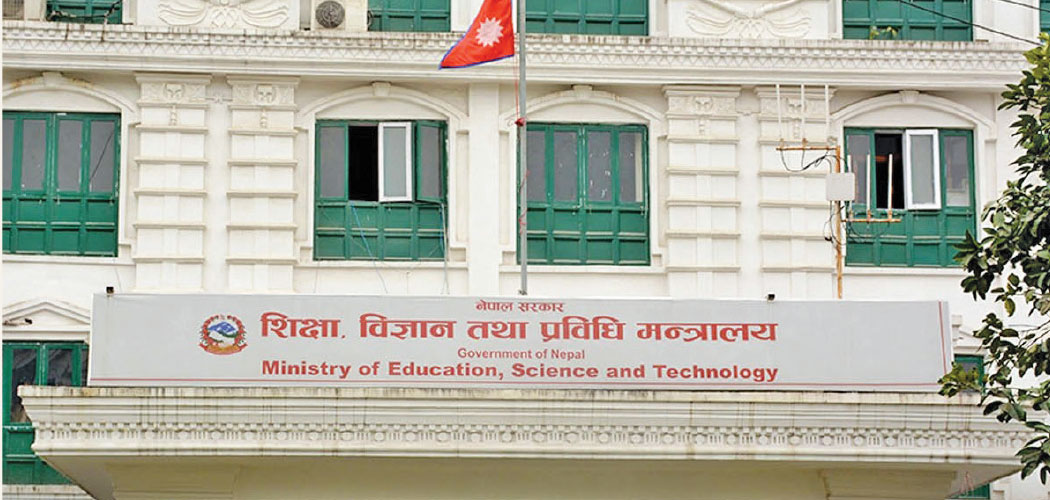
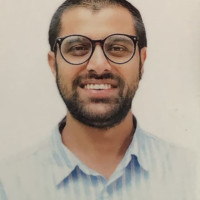
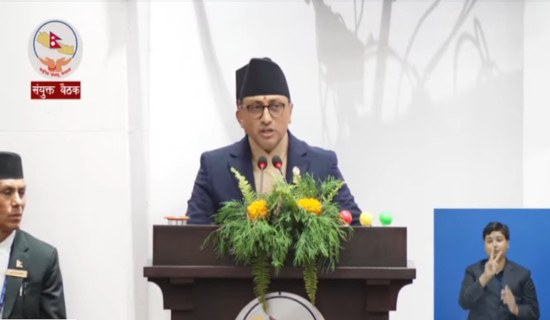
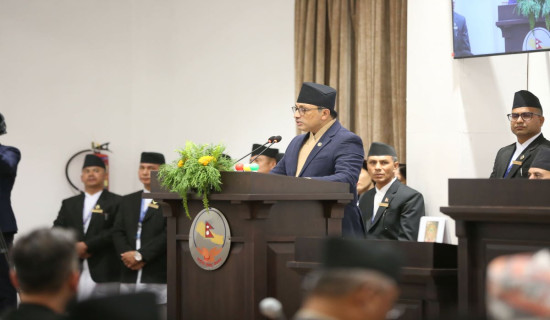
Kathmandu, May 7: As the new academic session begins, with several meetings and dialogues under way, Minister of Education, Science and Technology, Sasmit Pokharel, appears keen to reform the education sector.
Minister Pokharel has held dozens of meetings over the past two weeks regarding education policy reform.
In fact, Minister Pokharel, one of the youngest ministers, hinted at implementing several plans immediately after his appointment, such as changing the academic session, tightening controls on admission irregularities, and regulating school fees.
However, many local governments opened enrollment in the first week of April, before the academic session began, contrary to the federal government’s decision.
This move by local governments was not only a challenge to the federal government but also reflected policy confusion among the three tiers of government.
As a result, Minister Pokharel initiated a serious dialogue with local government representatives regarding policy inconsistencies in the education sector.
Federal and local governments’ conflict over education reform
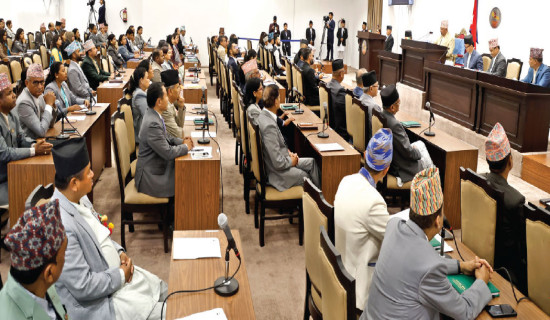
A recent meeting between Minister Pokharel, mayors of metropolitan cities in the Kathmandu Valley, and high-ranking government officials on Monday was significant in terms of policymaking.
The discussion was also attended by the President of the National Federation of Municipalities, Bhim Prasad Dhungana, and the President of the National Federation of Rural Municipalities, Laxmi Devi Pandey.
The dialogue was held following tensions between the federal and local governments regarding policy inconsistencies that emerged at the beginning of the new academic year, including issues related to enrollment and the proposed two-day holiday.
During the discussion, Minister Pokharel stated that the ministry would support local governments if they took the lead in reforming the education sector.
He added that strong coordination and collaboration among the three tiers of government are essential for overall education reform.
He also said that the ministry has received complaints regarding fee regulation and scholarships, and requested that scholarship distribution be made transparent.
He clarified that a mechanism has been created to regulate fees in institutional schools and that complaints received by the ministry would be forwarded to municipalities, with the ministry ready to provide necessary facilitation.
Minister Pokharel emphasized that local governments should learn from each other’s best practices in the education sector. After the meeting, he stated that the government is preparing to permanently introduce a two-day weekend to improve the efficiency of teachers and students.
He also mentioned that discussions with provincial representatives would take place in the near future.
According to some participants, there was disagreement about whether authority over the education sector rests with the federal or local governments.
During the discussion, Acting Mayor of Kathmandu Metropolitan City, Sunita Dangol, emphasized the need to adjust the curriculum promptly if a two-day weekend is implemented.
She expressed confidence that the metropolis would coordinate with the ministry’s decision on vacancy management.
Similarly, the Mayor of Lalitpur Metropolitan City, Chiribabu Maharjan, stressed that policies on land management should be implemented, as many schools do not own the land they occupy. He also added that scholarship distribution in private schools should be transparent.
Likewise, the President of the Municipal Association, Bhim Prasad Dhungana, called for arrangements to ensure free education.
He stressed that local governments should determine fees themselves and be responsible for their regulation.
He suggested that the 10 per cent scholarship provision should be monitored locally, that schools should operate for at least 220 days, and that standards should be set for examinations from grades 1 to 5.
President of the National Federation of Rural Municipalities, Laxmi Devi Pandey, said that education reform would only be achieved through coordination among all three tiers of government.
Speaking with The Rising Nepal, President Pandey said that many representatives emphasized that education rights rest primarily with local governments.
“We emphasized that the agenda of education reform lies within the jurisdiction of local governments. We also suggested not introducing a two-day weekend, as many schools need to provide holidays based on local culture and possible natural disasters. That is why the constitution ensures that the education sector falls under local government authority. However, we believe the federal government will coordinate with us,” Pandey said.
She also added that local governments should determine and regulate school fees, including public holidays.
President Pandey added that most local representatives were concerned about the responsibilities of local bodies regarding education policy. She also noted that Minister Pokharel agreed to strengthen local governments rather than weaken them.
High-ranking officials from the Ministry of Home Affairs and the Ministry of Education were also present at the discussion. The meeting focused on improving educational management, ensuring transparency in fees, and making post matching more effective.
According to the ministry, efforts have been made to make the discussions both policy-oriented and result-driven.
It is expected that necessary steps will be taken to improve the education sector by further strengthening coordination between local and federal governments.
According to Minister Pokharel, a plan has been put forward to systematize the education system by reforming the curriculum and coordinating among all three levels of government. He added that the government is confident this step will increase the productivity of both students and teachers.
After concluding the discussion, Minister Pokharel stated that local governments would take the initiative in education reform, with support from the federal government.
“Matters such as fulfilling constitutional responsibilities for education sector reform through cooperation and coexistence, fee determination and monitoring, and transparency in scholarship distribution will be prioritized. In the coming days, coordination and collaboration with other stakeholders, including provincial education ministries, will continue,” Minister Pokharel wrote on his social media after the dialogue.
-original-thumb.jpg)