- Sunday, 3 May 2026

Health Care At Doorstep
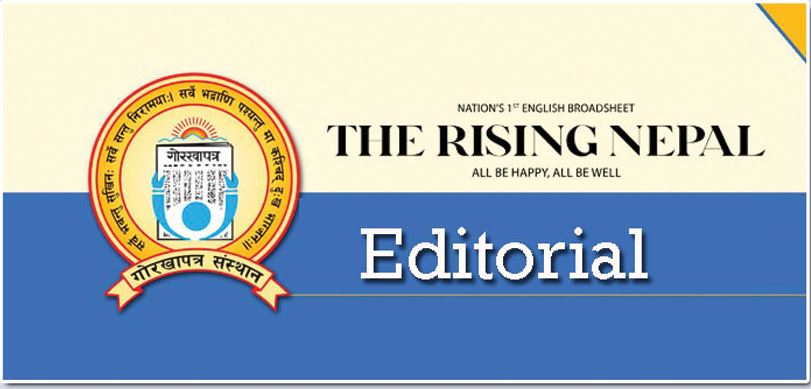

Access to health services is the basic right of citizens enshrined in the constitution, but a majority of people in Nepal lack equitable access to health care services. The elderly population who require extensive health care services are more vulnerable, as they often fail to avail themselves of health care services on their own due to their age and the disability that comes with it. On Sunday, the Kathmandu Metropolitan City (KMC) launched a health programme that provides basic health services at home, targeting senior citizens aged over 70.
Under the programme, at least one nurse and one health volunteer have been deployed in the Health Department of each Ward Office. They will visit households with residents aged over 70 and people with disabilities. The initiative is praiseworthy, but citizens are still not fully assured of the sustainability of the programme. Likewise, trained health teams, including nurses and community volunteers, will conduct home visits to assess health conditions, provide medical checkups, distribute essential medicines, offer counselling and if necessary, facilitate referral to hospitals.
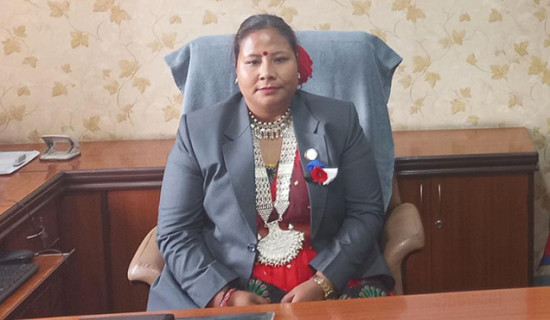
On the first day of the programme, KMC's Acting Mayor Sunita Dangol, along with health officials and several representatives, visited local residences. Dipak KC, chief of the Health Department, asserted that from Monday onwards, at least two health personnel will visit the targeted residents daily. It looks like a novel public welfare programme that could benefit the citizens who, for years, were struggling to get accessible health care.
It is the need of the hour that the health care for senior citizens should go beyond traditional settings, apart from being limited to hospitals and clinics. Medical teams visiting patients in their residences and providing 84 types of medicines free of cost, including regular blood pressure check-ups, can boost the confidence of the elderly citizens. Likewise, the development of the telemedicine system will help family members of the elderly citizens living abroad stay informed about the health condition of their parents.
In 2016, the Nepal government initiated the National Health Insurance Programme (NHIP) to secure universal health coverage and reduce out-of-pocket expenses for the people in dire need of quality health services. But, a decade after its launch, the scheme has been suffering financial difficulty. This gives a reason for the service seekers to cast doubt on whether the KMC's health programme will be sustainable. There are instances where popular schemes, announced just before the elections, seldom continue once the polls are over. The newly elected representatives may not show their zeal in equal measure as that of the outgoing ones when it comes to giving continuity to the previous programmes.
However, compared to the failed health insurance programme, the KMC's health initiatives look more grounded and realistic. It requires legal backing, guaranteed funding, and integration of broader health systems. In the absence of basic facilities and human resources, the health schemes risk failing. The KMC should also take its cue from the crisis-ridden nationwide insurance programme. Nonetheless, it deserves kudos for the important welfare venture targeting the elderly population. What is more important is to ensure the sustainability of this scheme, which is necessary to win the public trust in the ability of local bodies to provide services to the common people.
-square-thumb.jpg)
-original-thumb.jpg)