- Sunday, 7 June 2026

Garlic price triples in three weeks

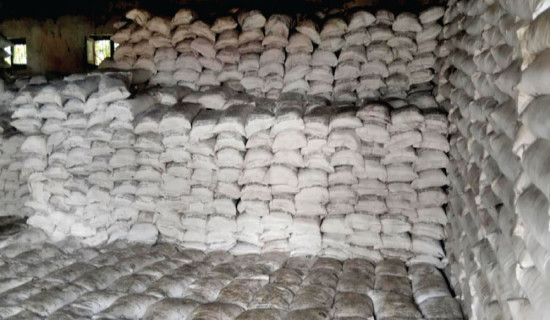
Kathmandu, Jan. 4: Consumers in the Kathmandu Valley have been hit hard by a sharp rise in garlic price over the past three weeks, with retail prices climbing to as high as Rs. 700 per kilogram.
According to consumers, the price of garlic has increased more than threefold in a short period. Just three weeks ago, garlic was selling at around Rs. 200 per kg in the retail market.
“The price of garlic has suddenly skyrocketed,” said Nani Maharjan, a resident of Ward No. 15. “A kilogram that cost Rs. 200 just three weeks ago now costs Rs. 700. It has become unaffordable for ordinary households.”
Garlic is an essential ingredient in Nepali kitchens and is used in daily cooking.
Maharjan said that when prices rise sharply, they directly affect daily household expenses.
“Now, I have started using less garlic while cooking. Sometimes, I even avoid buying it altogether. It feels unfair that ordinary consumers have to suffer because of such sudden price hikes,” she said.
She said that the sudden price hike of garlic, amid a surge in the prices of all vegetables, added to the financial burden on consumers.
Traders said the sharp increase in retail prices reflects a similar rise in wholesale rates.
According to Bhagawan Chandra Upreti, a trader at the Kalimati Fruits and Vegetable Market, the wholesale price of Chinese garlic doubled within three weeks, reaching up to Rs. 500 per kg on Friday.
“The wholesale price of Chinese garlic increased to Rs. 500 per kg from Rs. 200 within three weeks,” Upreti said.
Data from the Kalimati Fruits and Vegetable Development Board (KFVMDB) show that garlic prices began rising from December 12, when it was selling at Rs. 200 per kg in the wholesale market.
During the same period, the price of Nepali garlic rose by Rs. 80 per kg to Rs. 280, from Rs. 180 previously. But the local garlic is not enough to meet the collective demand.
Meanwhile, there have been significant fluctuations in the arrival of garlic at the Kalimati market over the past three weeks.
About 1,200 kg of garlic entered the Kalimati market on December 12, which rose to 3,000 kg on December 18.
However, arrivals dropped sharply to just 150 kg on December 26. The supply later improved, with around 2,000 kg entering the market on Friday (January 2).
Upreti said the shortage occurred after traders diverted Chinese garlic to India, where prices were higher.
“As traders supplied garlic to India instead of Nepal, local supply decreased and prices surged,” he said.
However, he added that prices have started to ease after Indian market prices declined.
“Traders have resumed importing garlic into Nepal, leading to a gradual decline in prices,” he said.
He said the wholesale price of Chinese garlic dropped to Rs. 420 per kg in Kalimati and Nepali garlic to Rs. 250 on Saturday and is expected to decline further in the coming days.
“The price of Chinese garlic is likely to normalise at around Rs. 200–220 per kg within a week as the supply improves,” he said.
Upreti added that vegetable prices in the retail market are usually almost double those in the wholesale market.
“When prices rise in the wholesale market, retailers often hike prices even more, which affects consumers,” he said.
He also noted that garlic prices have remained high in the retail market due to high profit margins maintained by retailers, even after wholesale prices started to decline.
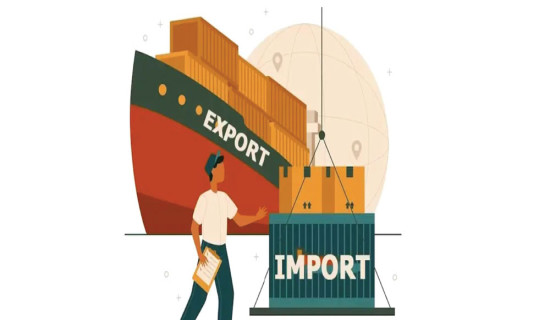
According to the Department of Customs, around 5,592 tonnes of garlic worth Rs. 744 million were imported during the first five months of the current fiscal year.
Of the total, around 5,575 tonnes worth Rs. 743 million were imported from China, while 17 tonnes worth Rs. 1.3 million were imported from India.