- Sunday, 3 May 2026

How Pandemic Changed Students' Hobbies
 Pragya Jha
Pragya Jha
Pragya Jha
When the world shut down in 2020, students across the globe found themselves navigating long days at home, disrupted routines, and a sudden lack of social interaction. But out of the uncertainty came a surprising surge of creativity. From baking and gardening to coding and online gaming, the pandemic reshaped students’ hobbies in ways that continue to influence their lives today.
During the early months of lockdown, many students turned toward hobbies that offered comfort, distraction and emotional expression. Baking scored in popularity, with teens proudly sharing homemade bread and pastries on social media. Others embraced drawing, journaling, and digital art, using creative outlets as a way to manage stress and boredom. Gardening also saw unexpected growth. With outdoor activities limited, students began planting herbs, vegetables, and flowers in backyards, balconies, and even recycled containers. Many described it as calming, something that gave structure to days that otherwise felt unpredictable.
For a significant number of students, the pandemic opened doors to new online interests. Virtual classes and increased screen time naturally led to curiosity about technology. Coding tutorials, video editing, and even app development have become popular. One high school counselor noted that students weren’t just consuming content, they were creating it. “We had students starting YouTube channels, building simple games, and learning animation”, she said. “They discovered skills they might never have explored in a traditional classroom.”
With gyms and sports programmes suspended, students found creative ways to stay active. Home workouts, yoga sessions, and dance routines became daily rituals. Some joined virtual fitness challenges with friends, transforming physical activity into a shared experience despite distance. When restrictions loosened, many students kept these habits. Outdoor activities like cycling, hiking and running became long-term passions, offering both exercise and a mental break from digital overload.
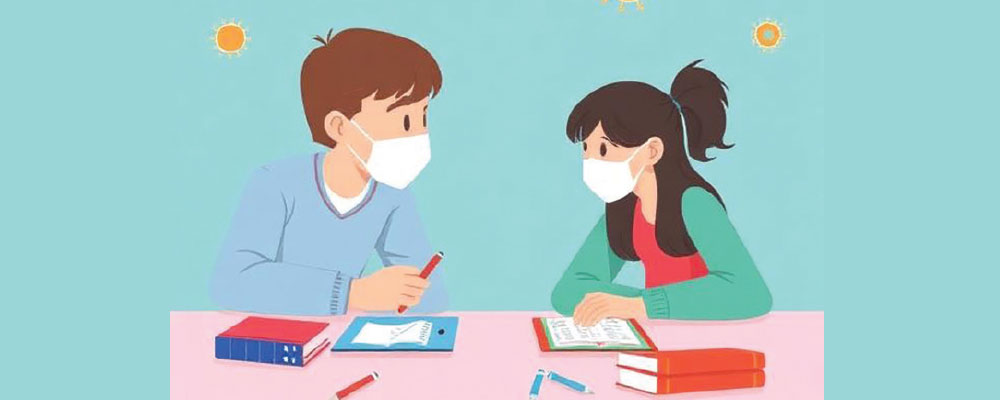
As life returned to normal, many of the hobbies born during lockdown didn’t disappear; they evolved. Students continued baking but expanded into cultural recipes or nutrition-focused cooking. Those who learned coding enrolled in tech clubs, robotic teams, or summer programs. Gardeners joined community green groups or continued growing produce at home. Social hobbies also made a strong comeback. Study groups, book clubs, and art meet-ups reemerged as students sought the face-to-face connections they had missed. The pandemic fundamentally changed how students use their free time. While the crisis brought hardship, it also encouraged a generation to explore personal interests more deeply and independently. Today, schools and community programmes report that students are more willing to try new activities, blend digital and hands-on learning, and maintain hobbies that support mental well-being.
In many ways, these new habits reflect resilience, a reminder that even in challenging times, creativity and curiosity continue to thrive.
Grade 11
St. Mary's Secondary School
-original-thumb.jpg)