- Wednesday, 29 April 2026

PM Karki vows to implement report

Kathmandu, Mar. 9: The judicial commission formed to investigate the Gen Z protests held on September 8 and 9 has submitted its report to the government.
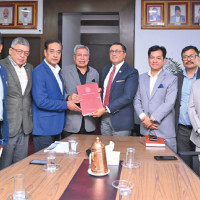
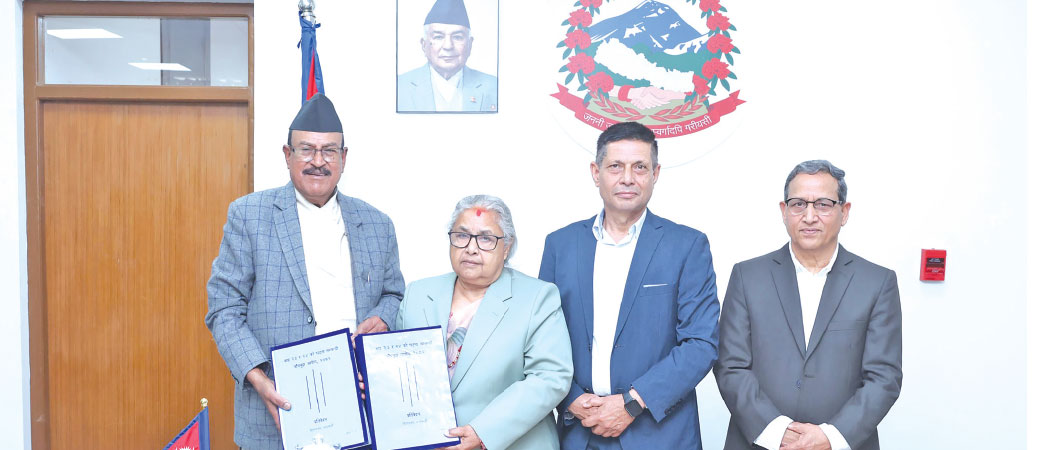
At a programme organised at the Office of the Prime Minister and Council of Ministers, Commission Chair Gauri Bahadur Karki handed the report to Prime Minister Sushila Karki early Sunday.
The team that delivered the report included Chair Karki, member, former AIG and Spokesperson of the Commission Bigyan Raj Sharma, and legal expert Bishweshwar Bhandari.
All the ministers, including Minister for Home Affairs Om Prakash Aryal, the Chief Secretary and other officials of the Commission were present at the event.
Handing over the report, Commission’s Chairperson Gauri Bahadur Karki said the panel had carried out its work with honesty and included in the report exactly what it observed, without any prejudice. He added that the report also contains recommendations aimed at preventing such incidents in the future.
He said, “This incident occurred due to poor governance. Regulatory bodies have been distorted. There is delay everywhere in the judiciary and the executive. The tendency to make even judicial and constitutional appointments through partisan power-sharing fuelled public anger. If this report is implemented, it can transform the face of the country.”
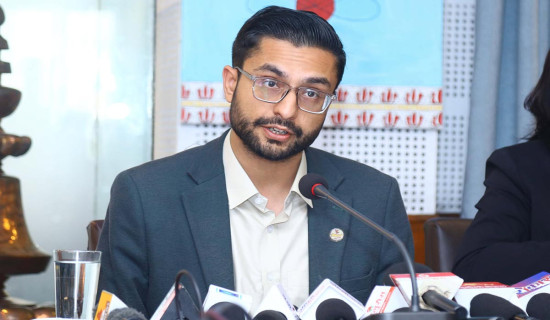
Commission member and Spokesperson Bigyan Raj Sharma said the report is primarily an inquiry, and that the authorities responsible for taking action must now conduct further investigation. He added that the report has prepared the necessary grounds for such investigations.
Another member and legal expert Bishweshwar Bhandari said the country’s situation could change significantly if the recommendations outlined in the report regarding good governance are implemented.
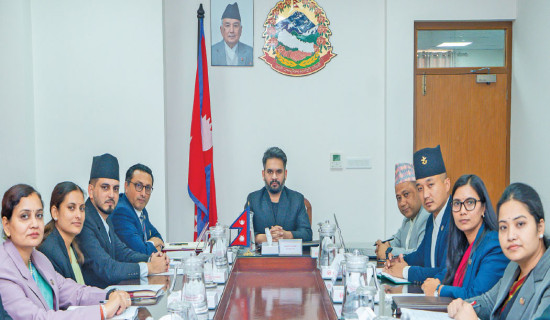
Receiving the report, Prime Minister Karki said she herself and the Home Minister would study it before presenting it to the Cabinet.
“You have worked extremely hard, and I thank you for that. Initially, the timeframe we had set proved insufficient due to our limited resources, and we had to extend it later. However, you were appointed to the Commission because we knew of your expertise and competence in the fields of justice, law and investigation," PM Karki said. "Each of you has a strong reputation in your respective field, and I believe that is reflected in this report. I am confident that you have clearly separated fact from falsehood in your findings. We will now study the report and move forward with the implementation process. We will also discuss making it public. Even if we cannot release the full document immediately, we will at least make its executive summary public.”
Although the entire contents cannot be disclosed due to security and other concerns, the conclusions will be made public, said Ram Rawal, the Prime Minister’s press adviser, quoting the premier in a conversation with The Rising Nepal daily.
“This is an extremely important report. A great deal of effort has gone into its preparation, and we will implement it,” Rawal quoted the Prime Minister as saying. The Commission, formed to investigate the incidents of repression, violence and vandalism during the protests on September 8 and 9, took five and a half months to prepare the report before submitting it to the Prime Minister.
According to Rawal, the report will now be tabled before the Council of Ministers, after which it will move toward implementation.
The three-member commission was formed on September 21, 2025 by the interim government led by Prime Minister Karki to investigate the incidents during the Gen Z protests.
Although the Commission was initially asked to submit its report within three months, the deadline was extended several times (three times) after it sought additional time.
Most recently, on February 12, 2026, the government granted the Commission another 25-day extension. Even after completing its investigation, the submission of the report was delayed until after the March 5 election due to concerns that it might derail the electoral process.
A total of 76 people were killed during the Gen Z protests, of whom 45 have been declared martyrs by the government. The Commission also recorded statements from several key figures accused of ordering the crackdown, including former Prime Minister KP Sharma Oli and former Home Minister Ramesh Lekhak.
Meanwhile, speaking to journalists after submitting the report, Commission Spokesperson Bigyan Raj Sharma said the Commission had conducted a detailed fact-finding investigation into the events that occurred during the Gen Z protests.
According to him, the report was prepared based on observations evidence and testimonies gathered during the inquiry, and includes the Commission’s recommendations and suggestions.
Sharma said that the document has now been handed over to the government and that it will be up to the authorities to decide what actions to take, including whether individuals should face punishment or honour.
Sharma claimed the Commission had recommended action against those found responsible for wrongdoing, stressing that individuals who committed mistakes would face consequences while those who performed their duties appropriately would not be penalised. However, he declined to disclose specific details about the individuals involved or the nature of the recommended action, stating that the matter now rests with the government.
The spokesperson also refrained from confirming whether the Commission had recommended criminal prosecution against former Prime Minister KP Sharma Oli, former Minister for Home Affairs Ramesh Lekhak, or other officials, although he said that anyone found responsible for wrongdoing had been identified in the report.
Spokesperson Sharma revealed that the main report book is extensive, running between 7,000 and 8,000 pages, including Annex, and provides a detailed examination of the incidents that unfolded over the two days of protests.
He further acknowledged that the Commission had identified security lapses, including weaknesses in the barricading and security arrangements around the Parliament building complex, New Baneshwar, which may have contributed to the escalation of the situation.
According to Sharma, Prime Minister Karki thanked the Commission for its work during the report handover and stated that the document now belongs to the government, which will determine the next steps.
Responding to concerns that the report might meet the same fate as earlier investigative commission reports, such as the Mallik Commission and the Rayamajhi Commission, which were left unimplemented for which the government bore lots of criticism, Sharma expressed confidence that this report would not face a similar outcome.
He also said the Commission interviewed more than 200 individuals during the course of the investigation. In addition to taking statements, the Commission consulted witnesses, victims and experts with knowledge of the incidents in order to compile a comprehensive account of the events.