- Tuesday, 9 June 2026

141 cases of violence against women in Madhes in six months
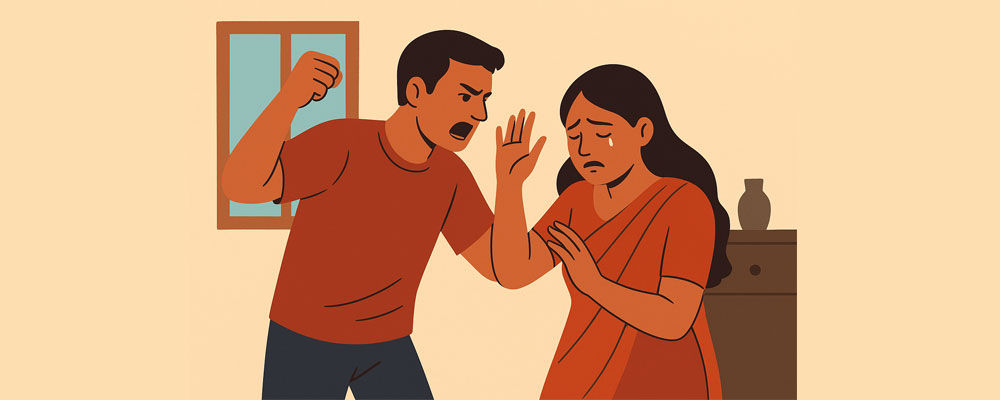

By Laxmi Chaudhary,Janakpurdham, Dec. 10: Violence against women in Madhes Province has seen a worrying rise, according to recent statistics.
A report released on Tuesday by the Women’s Rehabilitation Centre (WOREC) in Madhes Province revealed that in the past six months, 141 cases of violence against women were recorded across the province.
Among these cases, the majority were cases of domestic violence, with 84 incidents. Other types of violence included 24 cases of social violence, 20 cases of sexual violence and 13 cases of other forms of violence.
The report, compiled from direct complaints and news reports from the local media, covers incidents that occurred in Dhanusha, Mahottari, Sarlahi, Bara, Rautahat, Siraha, and Saptari, with the exception of Parsa, between March and September.
The highest number of cases were recorded under domestic violence, which overtook all other types of violence. The findings suggest that dowry continues to be a key factor behind most of these incidents.
The WOREC Madhes Province, led by Bina Kumari Singh, confirmed that eight incidents in the past six months were directly linked to dowry demands.
However, she explained that in many other cases, dowry inadequacy or the pressure for additional dowry was at the root of the violence.
The report highlighted common patterns of abuse, such as physical assault for bringing insufficient dowry, continuous mental and physical torture to demand more dowry, and women being expelled from their homes for not giving birth to a son.
The report further emphasized that the deep-rooted social acceptance of the dowry system in Madhes Province remains the primary driver of violence against women.
Despite legal prohibitions on the practice, the silent support of families and society continues to allow the dowry system to thrive.
One of the key conclusions of the report is that in order to reduce violence against women in the long term, changing traditional mindsets, making dowry demands socially unacceptable, and empowering women are crucial steps.
The report calls for significant societal change to address these deeply entrenched issues, stressing that a collective effort is needed to challenge the status quo and prevent further harm to women in the region.