- Sunday, 26 April 2026

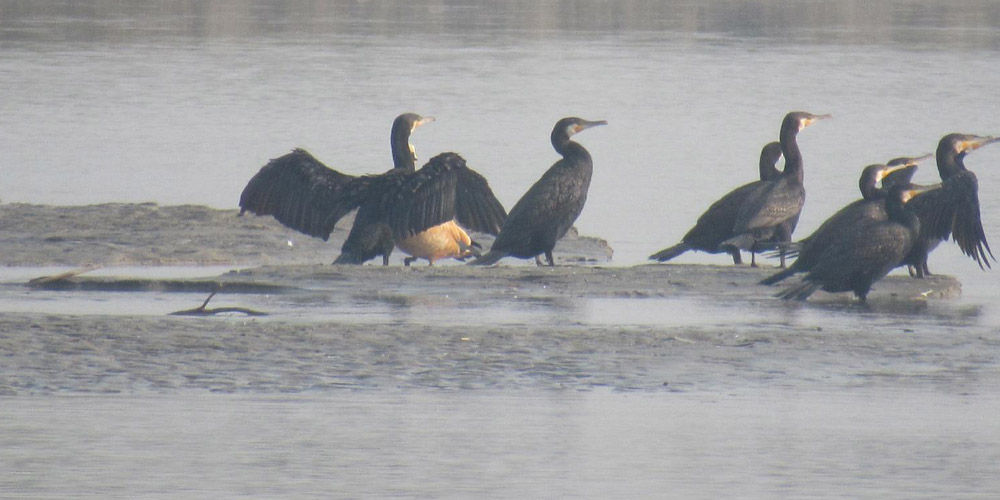
Habitat loss causes sharp decline of birds in Koshitappu

Belbari (Morang), March 5:
Increasing pollution and haphazard use of pesticides in crops have contributed
to decline number of birds in the Koshitappu Wildlife Reserve (KWR) and
vicinity. The human activities have caused loss of birds' habitats.
The Mid-Winter Water Birds Census,
2024 has recorded the number of birds at 5,527. They are of 53 species. The
number last year was 7,573 and the species were 56.
Although new species of birds
arrive every year in Nepal, both the number and species were declined this
year, said Birendra Gautam, Chief of Koshi Conservation Office, National Nature
Conservation Trust.
The result of the bird census
conducted for five days since January 10 was made public on the World Wetland
Day.
Most of the birds are of duck
species- 848. The birds dependent on water are facing shortage of wetlands,
which have deprived them of habitat, Gautam added.
Gautam further claimed,
"Severe decline in number of birds is directly related to expanding human
settlement and unwarranted activities."
The marshlands are now turned into
motorable roads. It is grave threat to the birds. The marshland used to welcome
the birds even from Siberia, Russia.
As the human activities were contained
in the wake of COVID-19, the census had witnessed huge rise in the avian
presence. There were 9,289 birds in 2019.
Nepal witnesses the arrival of
birds from mid September to mid December every year.
The KWR located at tri-junction of
Sunsari, Saptari and Udayapur districts is a birds' hub. Some 50 species of
migratory birds leave for India, Pakistan and Sri Lanka via Nepal.
The avian migration makes transit
to various other areas such as Chitwan National Park, Bishajari Lake,
Jagdishpur Lake, Ghodaghodi Lake, Shuklaphanta Wildlife Reserve and tributaries
of the Koshi and Gandaki Rivers.
Thousands of winter birds arrive in
Nepal from southern countries, including Africa for hatching.
The winter birds, however, find
habitants in forest and nearby grasslands. (RSS)


-original-thumb.jpg)
-original-thumb.jpg)