- Wednesday, 3 June 2026

Invest In Hospital Pharmacy Services

With a population of about 30 million people, access to healthcare services is a major concern in Nepal. Medicines account for most of the healthcare spending. A medication error can result in a significant burden to patients and an already overstretched healthcare system and a drug interaction may causes adverse outcomes. However, data on medication errors and potentially harmful drug interactions is lacking in our country. Even in countries where the healthcare system is advanced, a medication error causes losses of billions of dollars every year. Similarly, adverse drug reactions cause considerable morbidity and mortality.
Affordability
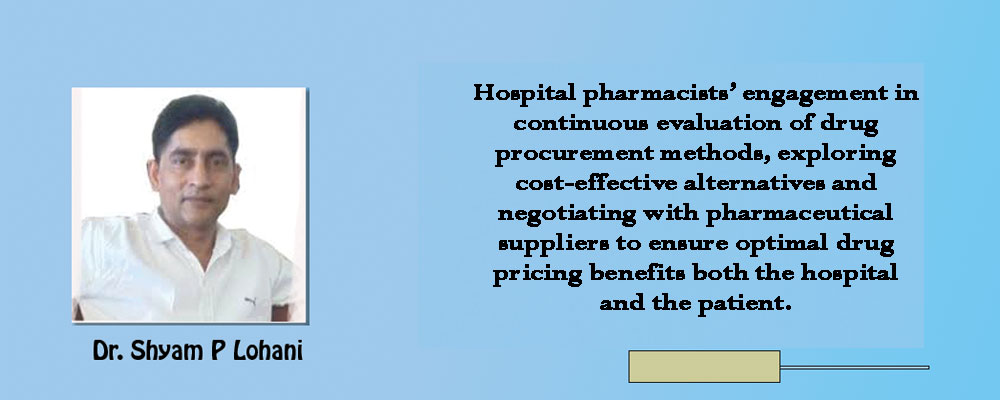
In this context, the role of hospital pharmacy becomes crucial in ensuring the availability, accessibility, and affordability of essential and quality medicines and healthcare products. Having pharmacy services at government hospitals has shown, besides many health-related benefits, financial benefits to both hospitals and patients. It has been found that the price of medicine at hospital pharmacies is as low as 1/4th of that from private pharmacies. Proper storage and handling practices are essential to maintain drug quality and minimise wastage. Moreover, hospital pharmacists’ engagement in continuous evaluation of drug procurement methods, exploring cost-effective alternatives and negotiating with pharmaceutical suppliers to ensure optimal drug pricing benefits both the hospital and the patient.
In modern healthcare systems, hospital pharmacy is indispensable in ensuring the safe and effective use of medications and is a cornerstone for ensuring positive health outcomes. It is responsible for procuring, storing, compounding, dispensing, and monitoring the use of drugs within the hospital setting. In Nepal, where the availability of essential medicines is often limited, hospital pharmacies play a crucial role in ensuring that patients receive the right medications at the right time.
One of the key functions of hospital pharmacy is drug procurement. Hospital pharmacists are responsible for sourcing and purchasing medications from reliable vendors. They play a critical role in negotiating prices, ensuring the quality of medicines, and preventing the entry of counterfeit drugs into the healthcare system. By ensuring the availability of essential medicines, hospital pharmacies contribute to improving patient outcomes and reducing the burden on healthcare facilities.
Hospital pharmacies are responsible for medication management. This includes proper storage, compounding, and dispensing of medications. One of the paramount roles of a hospital pharmacy is to prioritise patient safety. Hospital pharmacists work closely with healthcare professionals to ensure that medications are prescribed correctly and administered safely. They provide valuable information on drug interactions, dosage adjustments, and potential side effects, thereby minimizing the risk of medication errors and adverse drug reactions. However, additional training and certification are needed to impart this function which is lacking in our country.
Hospital pharmacies also play a crucial role in promoting rational drug use. They provide drug information to healthcare professionals and patients, helping them make rational decisions about medication use. By promoting evidence-based prescribing practices, hospital pharmacists contribute to reducing unnecessary medication use, improving patient safety, and optimising healthcare resources.
Hospital pharmacists, with advanced certification, are responsible for implementing medication safety protocols, such as medication error reporting, and adverse drug reaction monitoring. They work closely with healthcare professionals to identify and prevent medication errors, ensuring patient safety throughout the healthcare system. Pharmacists are responsible to prevent medication errors by verifying prescriptions, monitoring drug interactions, and providing accurate dosage instructions. By monitoring medication regimens, pharmacists help optimise the use of drugs and ensure that patients receive the most appropriate therapy. They actively participate in therapeutic decision-making processes, promoting the use of cost-effective medications without compromising quality or efficacy.
Furthermore, hospital pharmacies in Nepal are increasingly involved in clinical pharmacy services. Clinical pharmacists work as part of the healthcare team, providing direct patient care and medication therapy management. They conduct medication reviews, monitor patients' responses to therapy, and provide counseling on medication use.
Medication compliance
The integration of clinical pharmacy services in hospitals has been shown to improve patient outcomes, reduce hospital readmissions, and enhance the overall quality of service. Regular interactions with healthcare professionals allow pharmacists to provide medication education, resolve drug-related queries, and improve medication compliance. Although the government has made provisions to have its own hospital pharmacy staffed with qualified pharmacists, still many of the hospitals do not have their own pharmacies. In this context, the importance of hospital pharmacies in Nepal cannot be overstated. Hospital pharmacies play a critical role in ensuring the availability, accessibility, and affordability of essential medicines. They contribute to patient safety by ensuring the safe and effective use of medications.
In conclusion, hospital pharmacists provide valuable drug information, promote rational drug use, and implement medication safety protocols. They can play a critical role in pharmacovigilance, ensuring the ongoing surveillance of medication safety and effectiveness. The integration of clinical pharmacy services further enhances patient care and improves healthcare outcomes. Therefore, investing in the development and strengthening of hospital pharmacy services is crucial for improving the overall healthcare system in the country.
(Dr. Lohani is the clinical director at the Nepal Drug and Poison information Centre. lohanis@gmail.com)