- Tuesday, 2 June 2026

Need for full decriminalisation of abortion stressed
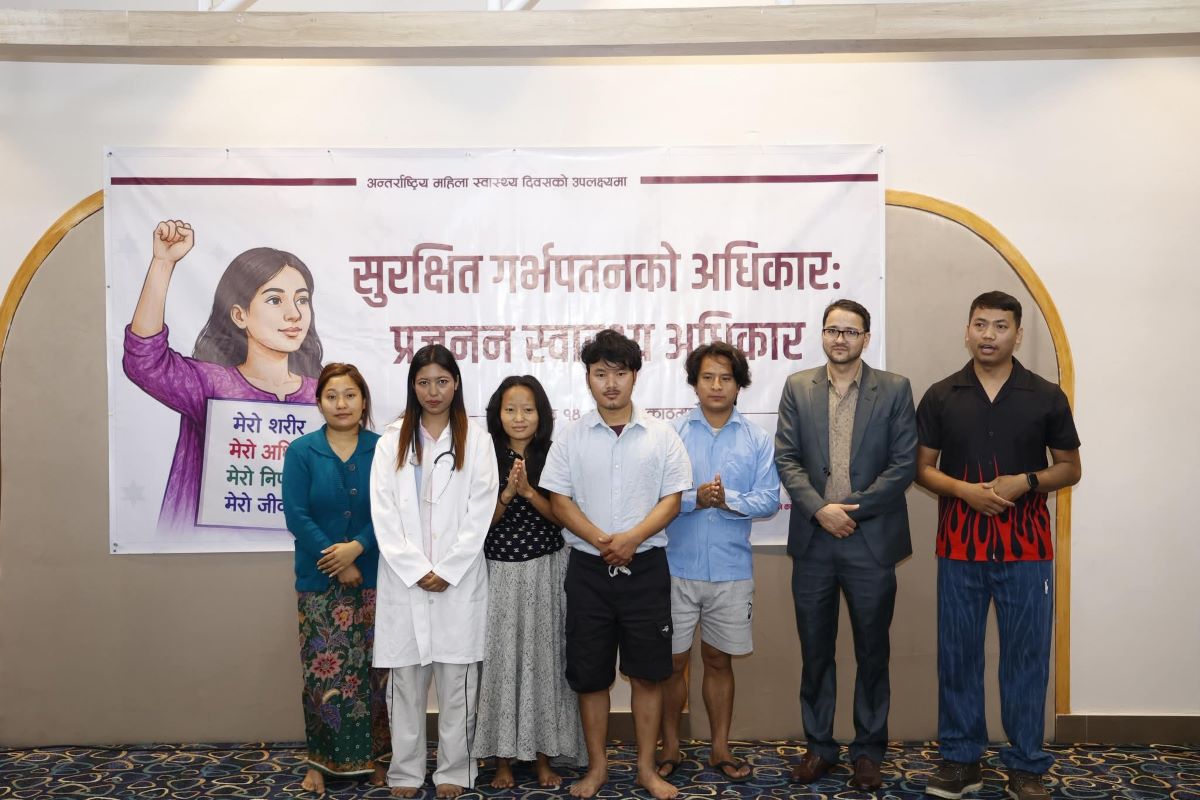
By A Staff Reporter, Kathmandu, June 2: Rights activists and lawmakers have stressed the need for the full decriminalisation of abortion, arguing that women and girls across the country continue to suffer due to legal restrictions and gaps in implementation.
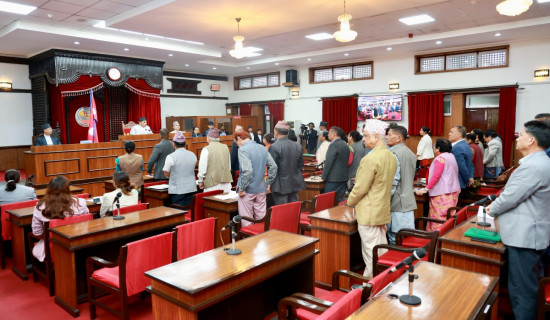
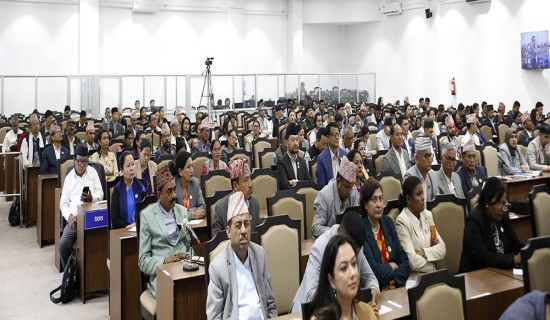
Speaking at an interaction programme jointly organised by the Family Welfare Division, Ipas, and the Forum for Women, Law and Development (FWLD), participants highlighted the challenges faced by women seeking abortion services beyond the legally permitted gestational limit.
Currently, women and girls can seek abortion services only up to 28 weeks of pregnancy under specific conditions and with the consent required by law. However, activists said many rape survivors and girls facing difficult circumstances are unable to access abortion services within the stipulated timeframe.
Advocate Nabin Kumar Shrestha said such problems are particularly common among minor rape victims, as parents or guardians often learn about the incidents only after significant delays. He added that some women are also forced to continue pregnancies despite serious health risks because they cannot legally access abortion services after the prescribed limit.
Speakers at the programme said many women and girls are compelled to seek unsafe and illegal abortions, putting their health at greater risk and incurring substantial expenses, as the government does not permit abortions beyond the legal limit.
According to a study conducted by the Family Welfare Division and Ipas in 2022, around 52 percent of abortions in Nepal are unsafe.
The Constitution of Nepal guarantees the right to safe abortion as part of every woman's fundamental right to safe motherhood and reproductive health. This constitutional provision is further elaborated in the Safe Motherhood and Reproductive Health Rights Act, 2018.
Under the Act, reproductive rights encompass not only access to health services but also the right of every woman and adolescent to receive necessary information, counselling, and consultation related to reproductive health. Safe abortion, as an integral component of reproductive health, is protected under the law.
However, despite these progressive legal provisions, activists argued that Nepal's laws still criminalise women who undergo abortions beyond certain gestational limits. They called for the removal of such provisions to ensure that women can fully exercise their reproductive rights without fear of prosecution.

-square-thumb.jpg)
-original-thumb.jpg)
-square-thumb.jpg)
-original-thumb.jpg)