- Friday, 29 May 2026

Equip Varsities With Modern Technology

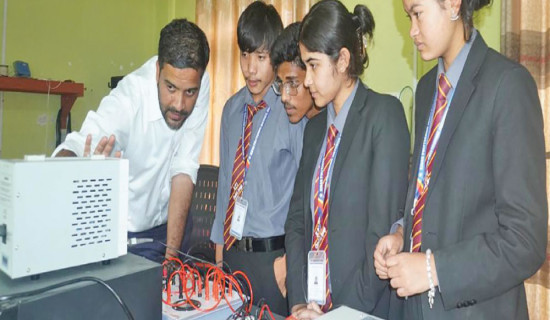
Science and technology have transformed the planet, and the advantages to human life are numerous, since they have resulted in significant advancements in practically every aspect of human existence. Apart from enhancing and revolutionising healthcare, communication, transportation, and the economy, they have also brought about enormous improvements in education, benefiting students, faculty, and universities. Adoption of current technological innovations is already having a big influence on universities and the education industry, and this trend is certain to continue. Renowned and major universities have used technology to make education more accessible to students who previously would not have been able to attend classes in person. With the use of multimedia, simulations, and virtual reality, it may give students with a more interesting and dynamic learning experience. This can assist pupils in better understanding complicated topics and retaining information.
Students can communicate with one another and with their teachers more readily thanks to modern technology, regardless of their geographical location. This can assist students in developing collaboration and communication skills that are useful in the job. Universities can employ technology to collect data on students' learning patterns and preferences, which can then be used to personalise learning experiences to the requirements of each individual student. Students will be able to study more efficiently and effectively as a result of this. Efficient administration is another significant aspect of the technology. It can assist universities in streamlining administrative operations like as registration, grading, and record-keeping, saving both students and faculty time and resources.
When Prime Minister Pushpa Kamal Dahal Prachanda advised the members of the Nepal Sanskrit University Senate to use contemporary science and technology to harvest maximum advantages, he must have considered the aforementioned benefits of technology. PM Prachanda, who is also the chancellor of the NSU, informed the 75th senate meeting of the university that the institution could no longer continue in the old way and thus needed a new style and way of thinking, as well as making effective use of current technologies. The university could use modern technologies to transfer information carried by Sanskrit literature, which is gaining popularity throughout the world. Opportunities come to those who have knowledge and skills, and colleges should capitalise on them by developing policies and programmes that meet such demands and requirements.
In the present day, education would be unimaginable without the use of fresh and advanced technologies. As a result, the government has established a strategy of increasing access to higher education and connecting education to skills, skills to employment, and employment to production and markets. Since the adoption of new technology makes education more accessible, engaging, and individualised, our educational authorities and universities must improve their education systems with new technologies. It is clear that technology and science are essential for Nepali students to have access to quality education. To stay competitive on a global scale, all our universities and faculties need to keep up with the latest advancements in technology, so as to make education more appealing and rewarding for our students. Therefore the Prime Minister's advice should be taken seriously by institutions of higher learning in order to become centres of excellence and attract more students locally and internationally.

-original-thumb.jpg)