- Saturday, 6 June 2026

Parbat emerges as hub for adventure tourism
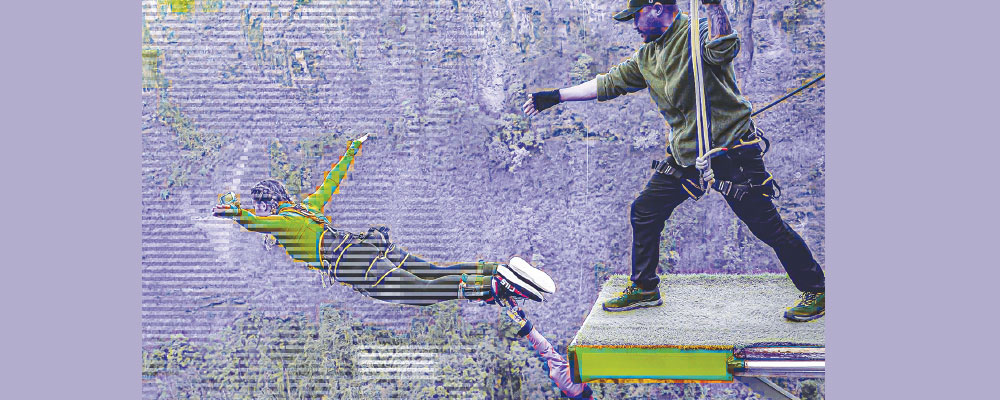

By Sajan Pariyar, Parbat, June 6: Parbat district, once largely unknown to tourists, has undergone a remarkable transformation in recent years, emerging as a key destination for adventure tourism in Nepal.
A few years ago, locals recall that many people struggled to even locate Parbat on the map. “When I said I was from Parbat, people would ask where it was,” said hotel entrepreneur Achyut Krishna Shrestha of Kushma.
“Some would even think it was near Pokhara or ask if it was beyond Baglung. It was frustrating, so sometimes I would just say I was from Baglung.”
Today, however, such questions have become rare, as Parbat has gained recognition as a hub for adventure tourism.
The district now offers a range of adventure-based attractions, including bungee jumping, swing rides, zip-lining, and some of Nepal’s longest and highest suspension bridges.
Although the bridge used for bungee operations connects Parbat and Baglung, local entrepreneurs say Parbat has gained the most benefit, with hotels and restaurants witnessing significant growth.
Located about an hour and a half from Pokhara, Parbat has increasingly become a stopover for both domestic and international tourists travelling through the region.
However, many visitors still limit their stay to adventure activities before continuing their journey.
According to local tourism stakeholders, improved infrastructure and better promotion are needed to extend tourist stays and encourage visits to nearby religious and natural attractions.
Durlung Kot religious site
A short drive from Kushma leads to Durlung village, where the Durlung Kot Bhume Temple sits atop a scenic hill.
The site, historically significant since the era of the Baise-Chaubise kingdoms, is believed to fulfil devotees’ wishes.
The location also offers panoramic views of multiple districts and Himalayan ranges, including Dhaulagiri, Machhapuchhre, and Annapurna.
Homestays have recently been introduced in the area, allowing visitors to experience local culture, cuisine, and traditions.
Modibeni Divyadham
At the confluence of the Kali Gandaki and Modi rivers lies Modibeni Divyadham, home to the ancient Narasimha Temple built in 1890 BS.
The site is considered highly sacred, particularly for rituals such as bathing and funeral rites.
Despite its religious significance, local leaders note a decline in Indian pilgrims due to limited transport accessibility.
Gupteshwor and Alpeshwar caves
Gupteshwor Cave, located near the bungee site of Kushma, is a unique natural formation stretching over 1.5 kilometres with multiple levels and religious significance linked to Lord Shiva and Parvati.
The cave hosts major religious fairs during festivals such as Shivaratri and Balachaturdashi.
Similarly, Alpeshwar Cave, located near the Kushma–Gyadi suspension bridge, offers a natural retreat with waterfalls, bat habitats, and limestone formations believed to represent deities. The site remains relatively underdeveloped despite its tourism potential.
Sahasradhara waterfall
Sahasradhara, located just 15 minutes from Kushma, features a year-round waterfall and the Laxmi Narayan Temple.
Despite its religious and mythological importance, the site has not yet received sufficient promotion to attract large numbers of visitors.
Local stakeholders emphasise the need to connect adventure tourism with nearby cultural and natural destinations to increase stay duration of tourists. To address this, construction of a “Koselee Ghar” (Souvenir House) and Milan Park is underway in Kushma Municipality-5.
The project aims to provide visitors with rest facilities, cultural experiences and opportunities to purchase local products.
Supported initially by a provincial government grant of Rs. 1 million, the project is being expanded through community contributions. Once completed, it will feature cultural displays, recreational spaces, and a showcase of Nepal’s diverse ethnic traditions.
Officials believe such initiatives will strengthen Parbat’s tourism economy by encouraging longer stays and increasing local income generation.