- Saturday, 30 May 2026

G2G process begins to import fertilisers
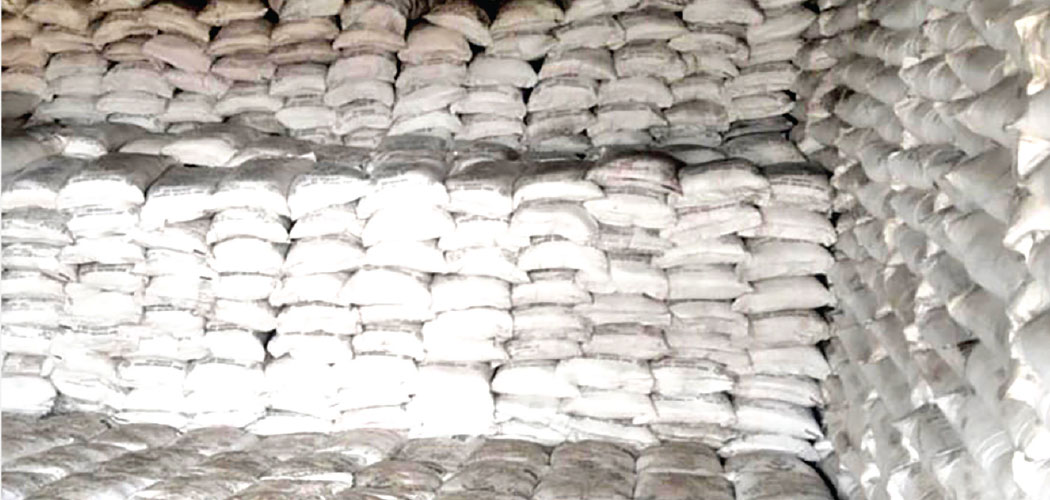

Kathmandu, May 8: The government has initiated the procurement process of importing 50,000 tonnes of chemical fertilisers from India through the government-to-government (G2G) system in an effort to prevent a possible fertiliser shortage in the country.
A Cabinet meeting held on May 4 granted approval to the Agriculture Inputs Company Limited (AICL) to import 80,000 tonnes of chemical fertilisers, including 60,000 tonnes of urea and 20,000 tonnes of diammonium phosphate (DAP).
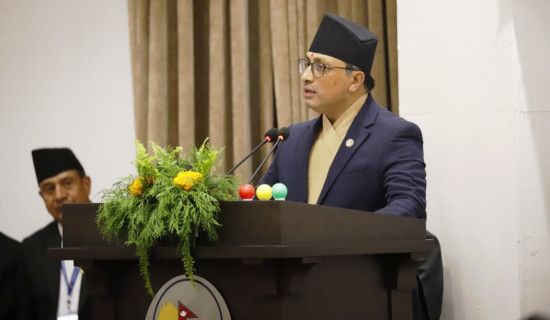
Following the approval, AICL has sought price quotations from India’s state-owned Rastriya Chemicals and Fertilisers Limited for the supply of 30,000 tonnes of urea and 20,000 tonnes of DAP, said Dr. Ram Krishna Shrestha, Joint Secretary at the Ministry of Agriculture and Livestock Development.
“We are making efforts to bring in the fertilisers as early as possible to overcome any potential shortage during the upcoming agricultural season by completing the process promptly,” he told The Rising Nepal. Based on source assurance, the process of importing 50,000 tonnes has begun in the first phase, and the remaining 30,000 tonnes will be imported after more funds are assured, he said.
However, Shrestha, who is also chairperson of AICL, noted that even under the G2G mechanism, importing fertilisers could still take at least 120 days. According to Shrestha, the procurement process for chemical fertilisers has been initiated through the G2G system with India as per the earlier request made by the Ministry of Agriculture and Livestock Development through the Ministry of Foreign Affairs.
Earlier, government had requested the government of India to supply 150,000 tonnes of chemical fertilisers, including 100,000 tonnes of urea and 50,000 tonnes of DAP, through the G2G system. According to the ministry, the Indian side has responded positively to the request. “We hope that the government of India will support us by supplying the fertilisers as per our request at the earliest this time,” he said.
Current stock sufficient until mid-July
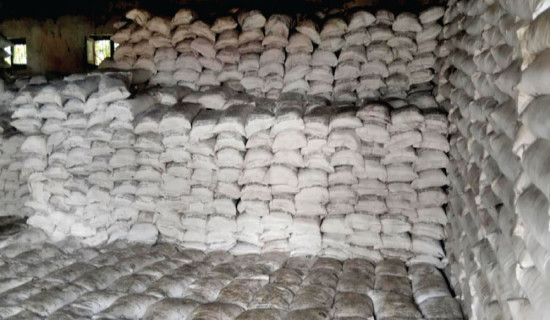
Meanwhile, around 158,257 tonnes of chemical fertiliser is currently available at the depots of AICL and Salt Trading Corporation (STC). Out of the total stock, around 89,900 tonnes is urea, 50,186 tonnes is DAP, and 18,171 tonnes is potash.
Additionally, 5,172 tonnes of fertilisers is in internal and external transit. From the budget allocated for the current fiscal year 2025/26, tenders have been awarded for the supply of 491,300 tonnes of chemical fertilisers.
Through the budget speech, the government allocated a subsidy of Rs. 28.82 billion to ensure the smooth supply of chemical fertilisers to farmers during the current fiscal year.
According to the ministry, around 554,741 tonnes of chemical fertilisers, including those imported under tenders from the last fiscal year, has been imported so far in the current fiscal year.
Likewise, around 444,654 tonnes of chemical fertilisers, including stock carried over from the last fiscal year, had already been distributed across the country by the end of April of the current fiscal year. According to Shrestha, the present stock of chemical fertilisers is expected to meet the demand until mid-July this year.
Considering the possible shortage of chemical fertilisers after mid-July due to disruptions in the supply chain and price hikes caused by the Middle East conflict, the government has initiated imports through the G2G system to address the problem, he said.
Middle East tension hits timely delivery
Officials said ongoing tensions in the Middle East have disrupted the global fertiliser supply chain and delayed imports through the regular tender process. Normally, importing fertilisers through tenders takes around 225 days.
However, rising international prices and reduced participation in bidding processes have complicated timely procurement. Therefore, the government has decided to import fertilisers through the G2G system under the current abnormal situation. Besides this, the ministry has been holding discussions with suppliers awarded contracts for chemical fertiliser supply to ensure delivery at the earliest possible.
“Due to the international situation, supplier companies are facing difficulties in supplying chemical fertilisers under the awarded tenders. At present, fertiliser prices have increased significantly compared to the prices quoted during the tender process. Therefore, we are requesting the contracted companies to deliver the fertilisers on time to support both the farmers and the government of Nepal in this situation,” he said.
Out of the total tendered quantity for the current fiscal year, agreements have been signed for 94,500 tonnes of chemical fertilisers. As importing fertilisers through tenders' takes time, the Ministry of Agriculture has already received resource assurance from the Ministry of Finance for the import of chemical fertilisers under the next fiscal year’s budget, he said.
Under this arrangement, the Finance Ministry has secured a budget assurance of Rs. 20.27 billion for the import of chemical fertilisers for the next fiscal year to distribute them to farmers at subsidised rates.
Following the resource assurance, the process of importing chemical fertilisers under the next fiscal year’s budget has already started, and tenders have been called for 210,000 tonnes of fertilisers.
Among them, agreements for 90,000 tonnes have already been signed, said Shrestha. He said that the ministry, AICL, and STC are making efforts from their respective sides to import the agreed quantities of fertilisers, including 94,500 tonnes and 90,000 tonnes, as early as possible.
The supplier companies that signed agreements for the 94,500 tonnes have indicated positively that they could deliver 60,000 tonnes, including 30,000 tonnes each of DAP and urea, shortly after the Strait of Hormuz reopens, he said.
Subsidy burden increases
According to ministry officials, international price hikes have sharply increased fertiliser costs in Nepal. According to the increased prices in the international market, the current cost price of DAP in Nepal has reached Rs. 166 per kilogram, while the price of urea has reached Rs. 160 per kilogram.
The government currently provides a subsidy of about 92 per cent on the cost price of urea and 75 per cent on DAP. Considering the price hikes and to reduce dependence on chemical fertilisers, the federal government has been requesting provincial and local governments to promote the use of organic and compost manure, said Dr. Shrestha.
Local governments have also been asked to intensify market monitoring to prevent black marketing and the sale of substandard fertilisers amid supply concerns.
-square-thumb.jpg)

-original-thumb.jpg)