- Thursday, 30 April 2026

Youth Drain Economy


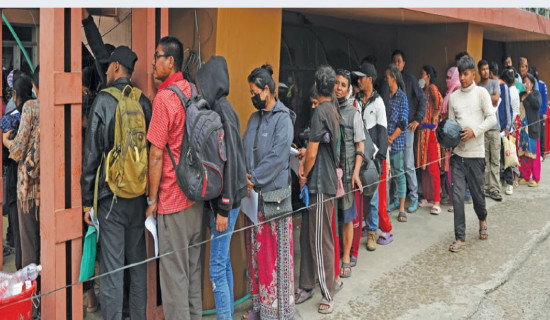
Every day, thousands of young Nepalis walk through the departure gates of Tribhuvan International Airport. We celebrate the remittances that keep our economy afloat while ignoring their detrimental effect on our sovereignty. As remittances’ contribution to our GDP grows, our dependence on the labour and immigration policies of foreign nations grows as well.
With millions of our youth working in the Gulf, our nation’s economy is at the mercy of conflicts we have no involvement in. The escalating conflict between the U.S.–Israel alliance and Iran puts Nepali citizens in a precarious position. Our government recently implemented a suspension of labour permits for the Middle East. If war rooms in Tehran, Tel Aviv, or Washington have the ability to crash our economy and change our labour policy, we have to wonder whether we are truly sovereign.
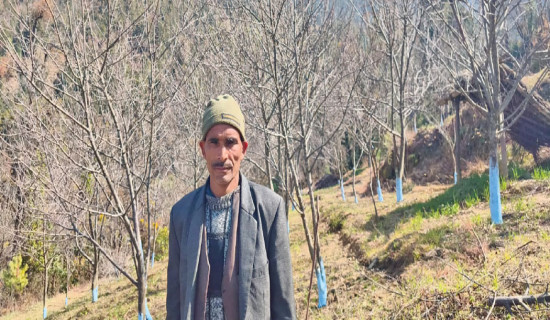
While our youth build skyscrapers in Dubai and stadiums in Qatar, our fields lie barren. Our local industries have failed because it is simply cheaper to import than to produce. We import the food we eat, the tools we use, and the furniture we sit on—often paid for by the same remittance money that is costing us our youth. When a nation loses skilled workers, innovators, and labourers, it loses the ability to develop itself.
The harder question is whether Nepal’s political class actually wants to solve this problem. A population that earns abroad and sends money home is a population that is peaceful, works, and trusts authorities. Remittance dependency doesn’t just weaken our sovereignty; it is convenient for the people tasked with building it. Until we name that conflict of interest, no policy speech will mean anything.
Grade: XI, Koshi St. James, Itahari





-original-thumb.jpg)