- Thursday, 30 April 2026

Dialogue For Results

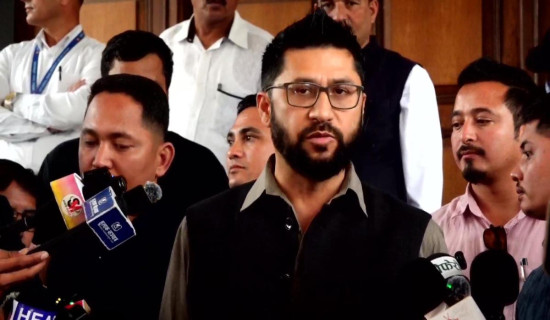
Prime Minister Balendra Shah has started holding meetings with lawmakers elected from different provinces. The consultations between Prime Minister Shah and lawmakers from Koshi and Karnali provinces, the other day, signal a welcome shift towards cooperation among political parties and a commitment to good governance. At a time when public trust often hinges on leaders working as much as they speak, such engagements foster an impression of inclusivity. The true test, however, lies not only in meetings alone but in how effectively these discussions are implemented and influence decision-making. The meetings have, no doubt, highlighted pressing issues such as poor infrastructure, underperforming agriculture, recurring disasters, and inequal access to education and healthcare. These issues have been around for a while. They have been continuing problems under successive administrations, often taking centre stage during the budget season with added emphasis. The issues range from tea farmers struggling with market inefficiencies to communities facing poor road connectivity and development stagnation.
The government's intent to prioritise good governance and infrastructure development is a paramount step that the nation has long been awaiting. However, this intent needs to be matched with a plan of action. The risk is that these measures will stay on paper, while their implementation will fail to take off due to bureaucratic lethargy, political considerations, or a failure to coordinate efforts at the three layers of government – federal, provincial and local. The meeting also dwelt on disaster management, which is a critical aspect, especially in a situation where the repair of infrastructure like roads and bridges damaged by monsoon rains is still pending. The focus is on building back better so that these structures are resilient enough to withstand future disasters. Another important factor is the need to strengthen the local economy. The issues of poor management of agriculture and the migration of youth are indicative of more serious issues. If the returns from agriculture are not satisfactory, and there is no future for the youth, then development is not sustainable. Thus, it is essential to look beyond the development of infrastructure. The expansion of the market system, skills, and entrepreneurship can help in more sustainable development.
The lawmakers have also raised the issues of tourism and natural resources, which have potential that has not been utilised. The areas that are rich in natural beauty and resources are not being exploited properly because of poor development of infrastructure. The guarantee of equitable treatment in all provinces is a positive note. Balanced regional development has been a long-standing aspiration of our nation. It is crucial to ensure equitable treatment in budgetary allocations. However, it is also essential to recognise the distinct needs of different regions. Ultimately, such meetings of lawmakers represent an opportunity. They offer a chance to bring national priorities in line with regional realities. In order for this process to bear fruit, discussions must transcend consultation into accountability. The citizens are very hopeful about the recent government, and they want visible changes. People will not judge success by what is said in meetings; they will judge it by what is done in their lives. It is a litmus test of whether our government is capable of moving from dialogue into action, intention into implementation, and commitment into results.
-original-thumb.jpg)