- Thursday, 30 April 2026

Singeing Energy Crisis

With military confrontation in West Asia raging on, an unprecedented energy crisis has emerged across the world. Its impacts on poor countries like Nepal have become more severe. The supply of petroleum products has been significantly reduced after Iran blocked the passage of oil tankers belonging to Israel, the US and its allies through the Strait of Hormuz. Now, countries must secure permission from Iran to allow their oil-and gas-carrying ships through this vital sea route, which handles 20 per cent of the world’s fuel. Iran’s move came as part of retaliation against the US and its allies, including the Gulf nations, but this has severely affected Asian and European countries. The prices of petrol, diesel and gas have already skyrocketed.
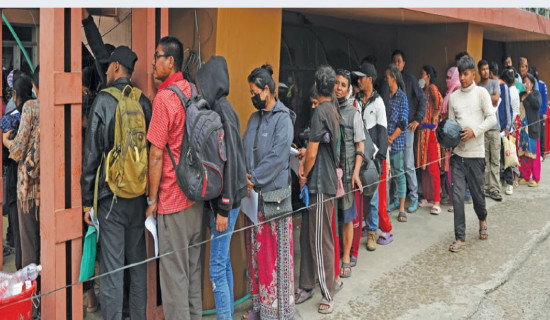
The ongoing energy crisis reminds us of the oil shock of 1973, triggered when the Organisation of Arab Petroleum Exporting Countries (OAPEC) imposed a total oil embargo against nations that backed Israel during the Yom Kippur War. The price of a barrel of Brent crude, the international benchmark, has reached around $115, up nearly 50 per cent since the start of the war. Nepal, India, Pakistan and Bangladesh are now scrambling to meet their people's energy demand. The Nepal Oil Corporation (NOC) has increased the price of petrol by Rs. 30 per litre and diesel by Rs. 25 per litre within 10 days. Now petrol costs Rs. 187 per litre and diesel Rs. 167 per litre. The NOC has stated that it has not adjusted fuel prices fully to international market levels and has not increased the prices of gas and aviation fuel, incurring huge losses on these products. The escalating energy crisis has fueled inflation, affecting all sectors of the country's economy.
Soaring fuel prices increase the transportation costs of finished goods and raw materials from abroad. People living on the economic margins will bear the brunt as their hard-earned incomes are consumed by basic needs. This precarious situation largely results from the country’s import-based economy. The Indian Oil Corporation (IOC) has been Nepal’s sole supplier of fuel. So far, the IOC has regularly delivered the petroleum products as per our demand, but the NOC’s payments to the IOC will soon be affected by rising prices. Now the NOC’s stock of fuels will meet the demand for 10 to 12 days, according to a news report published in this daily. This indeed calls for the prudent use of energy. What is more worrying is that the energy crisis will deal a severe blow to the country’s macro- and micro-economy. An International Monetary Fund (IMF) study states that a 10 per cent increase in the price of crude oil per barrel pushes inflation by 0.4 percentage points and slashes economic growth by 0.15 percentage points.
The Ministry of Finance has revised the economic growth rate for the current fiscal year to 3.5 per cent. Inflation has a long-term impact on revenue collection, construction, trade, foreign reserves, tourism and the import-export sector. The disruption in the supply of natural gas and chemical fertiliser will dent agricultural production. The prolonged escalation has already undermined the prospects of foreign employment and the flow of remittances, which serve as a lifeline to the country’s GDP. The ongoing fuel shortage has once again necessitated the urgency of finding an alternative supplier of petroleum products, reducing our reliance on fossil fuels and investing in hydropower development.
-original-thumb.jpg)