- Tuesday, 2 June 2026

Nepali rupee hits record low amid strong U.S. dollar
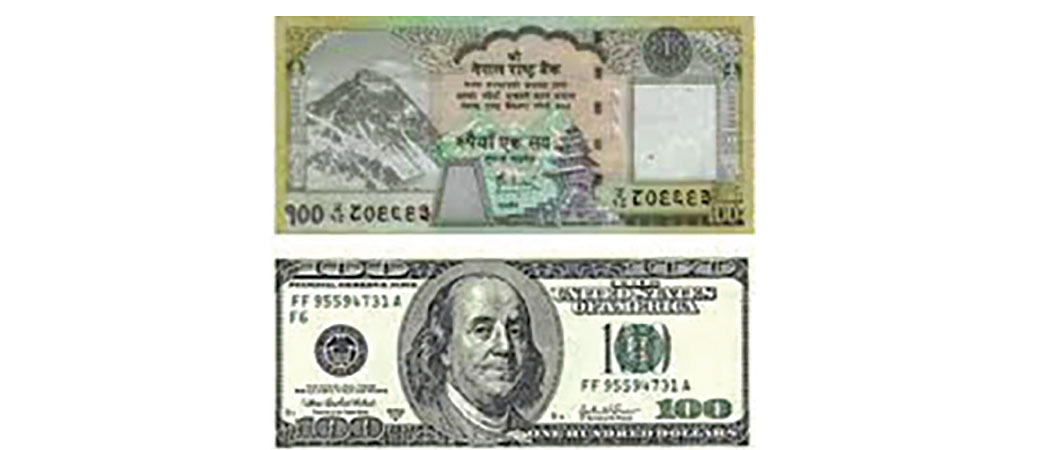

Kathmandu, Mar. 22: The Nepali rupee has fallen to a historic low against the US dollar, reflecting sustained depreciation over recent months amid global economic and geopolitical pressures.
According to the Nepal Rastra Bank, the exchange rate was fixed at Rs. 150.24 per U.S. dollar on Saturday—the weakest level in Nepal’s currency history.
This marks a sharp single-day decline of Rs. 1.72 compared to Friday's rate, when the dollar stood at Rs. 148.52 on Friday. The depreciation trend has been significant over the past two years.
On March 21, 2025, the exchange rate was Rs. 138.5 per dollar, indicating a fall of Rs. 11.74 within a year. Two years ago, on the same date in 2024, the rate stood at Rs. 132.76 per dollar.
Key factors behind decline
Economists have attributed the pressure on the Nepali rupee largely to the weakening of the Indian currency, to which it is pegged at Rs. 160 for IRs. 100.
As the Indian rupee depreciates, the Nepali rupee follows suit. They also point to rising global uncertainty as a major factor strengthening the dollar.
Ongoing geopolitical tensions, including the Israel-Iran conflict, have driven investors toward the dollar as a safe-haven asset, they said.
“The fear among global investors has increased demand for the U.S. dollar, raising its value,” said economist Dr. Chandra Mani Adhikari.
Additionally, the Federal Reserve has maintained relatively high interest rates to combat inflation. This has attracted global investors seeking higher returns, further boosting demand for the dollar.
"Expectations of a rate cut in the U.S. did not materialise, contributing to the continued strength of the dollar. In the meantime, the gold market is also declining which also contributed to encourage investors to invest in US dollar," said former NRB Executive Director Dr. Gunakar Bhatta.
Due to rising inflation in America caused by various factors, including higher oil costs, the Federal Reserve Bank kept interest rates unchanged,” he said.
Economic impact on Nepal
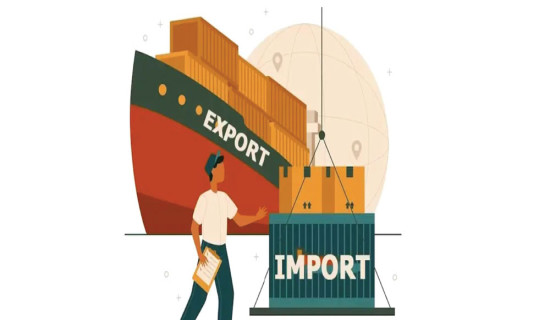
Experts warn that the weakening rupee could have serious economic consequences for Nepal, which heavily relies on imports.
Continued depreciation of the rupee is expected to drive up prices, strain public finances, and make daily life more expensive for citizens, said Dr. Bhatta.
"A stronger dollar increases the cost of essential imports, including fuel, food, and consumer goods. Rising global oil prices, partly influenced by Middle East tensions, are expected to further fuel inflation in Nepal," he said.
The depreciation is expected to increase the cost of foreign debt servicing, payments for foreign consultants, and other international transactions, potentially adding further strain to the national economy.
Looking at the nature of Nepal's economy, he said that if the price of the dollar increases, the disadvantages will outweigh the advantages. "The devaluation of the Indian currency against the U.S. dollar has directly affected the Nepali economy as the Nepali rupee is pegged to the Indian currency," said Dr. Adhikari.
India is facing increasing pressure on its foreign exchange reserves as the ongoing Iran–Israel War drives global oil prices higher, forcing the country to spend significantly more U.S. dollars on petroleum imports.
According to Adhikari, the surge in crude oil prices—triggered by attacks on key energy infrastructure in the Middle East—has sharply increased India’s import bill.
“Due to increasing imports and the huge amount of dollars spent on petroleum products, India’s U.S. dollar reserves are also declining,” he said.
"Since Nepal is dependent on imports for everything from consumer goods to luxury items, the increase in the value of dollar will cause more harm than good to Nepal. The goods and services to be bought by paying foreign currency are expensive. As the imported goods will come in with expensive dollars, its pressure will be seen in the price increase," Adhikari said.
An appreciating U.S. dollar would be a boon for Nepal in terms of remittance inflows. However, the recent war has affected many workers in the Gulf region, forcing them to return home.
In this situation, Nepal’s remittance-based economy could be further adversely affected, he said.