- Tuesday, 2 June 2026

Infant, child mortality remain serious public health concerns
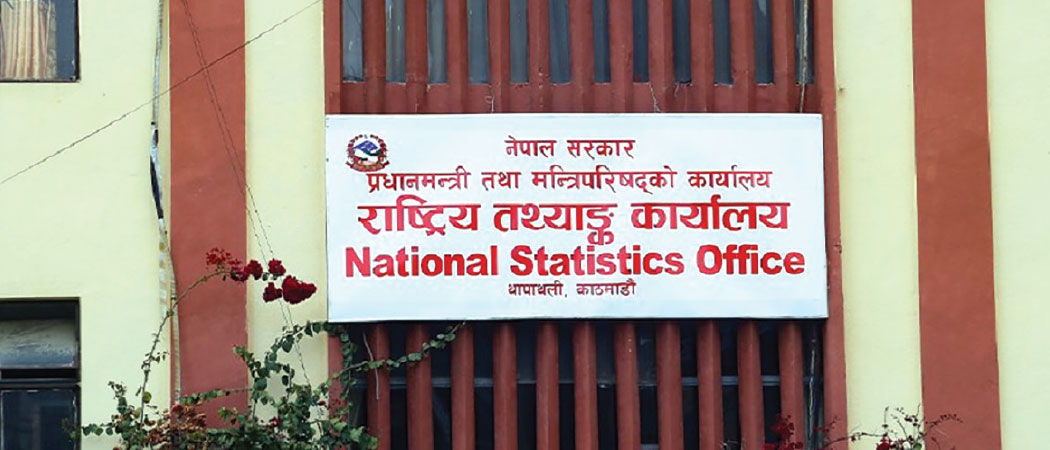

Kathmandu, Feb. 10: The Nepal Multiple Indicator Cluster Survey (NMICS) 2024-25) reveled that infant and child mortality rates in Nepal remain a serious public health concern, with significant disparities across provinces.
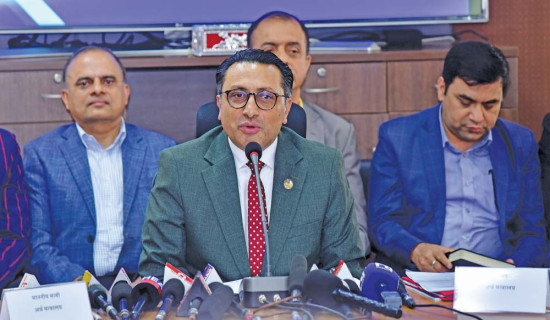
According to the survey findings made public by National Statistics Office (NSO) on Monday, 27 infants die before reaching one year of age per 1,000 live births, while the under-five mortality rate stands at 31 per 1,000 live births.
The neonatal mortality rate—deaths within the first month of life—was recorded at 17 per 1,000 live births.
The Nepal Multiple Indicator Cluster Survey (NMICS) 2024-25 was conducted by the NSO in partnership with the United Nations Children’s Fund (UNICEF), as part of the Global MICS Programme.
Technical and financial support for the survey was provided by UNICEF, with additional funding from the government.
The 2024-25 NMICS covers child mortality, nutrition, child health, water, sanitation and hygiene, water quality, reproductive health, child development, child protection, early marriage, tobacco use, and mental health.
Provincial-level analysis highlights stark regional differences. The neonatal mortality rate is highest in Sudurpashchim Province at 26 per 1000 births, while the lowest is in Bagmati Province at 10.
Infant mortality is also highest in Sudurpashchim Province, with 38 deaths per 1,000 live births, compared to the lowest rate of 17 in Bagmati Province.
Similarly, the highest under-5 mortality rate per 1000 births is seen in Sudurpashchim Province at 48, while the lowest is seen in Gandaki Province at 20. In terms of the total fertility rate, it has been found that 1.9 live births are given to every woman (15-49) years of age.
In terms of the fertility rate of adolescents in the age group of 15-19 years, it has been found that 48 live births are given to every 1,000 adolescents, while 1 in 10 women (11.2 per cent) in the age group of 20-24 years has been found to give birth to a live birth before the age of 18.
The nutritional status of children under 5 years of age, according to the World Health Organization criteria, was found to be 24.3 per cent and 31.5 per cent of children with low weight for age and low height for age respectively.
Similarly, 7.6 per cent of children with low weight for height and 2.6 per cent of children with high weight for height were found to be underweight.
Similarly, 7.6 per cent of children are underweight for their height and 2.6 per cent are overweight for their height.
The highest number of children with low weight for age is seen in Madhes Province at 33.2 per cent and the lowest at 9.6 per cent in Bagmati Province.
Children still out of school
Meanwhile, the survey shows that 4.5 per cent of children in basic school grades (1-5), 3.6 per cent in grades (6-8), and 13.2 per cent in secondary school (9-12) are out of school.
About 41.2 per cent of children are of the age to enter the first grade of basic school (grades 1-5).
Similarly, 82.9 per cent of mothers/caregivers of children under 5 years of age were found to know how to register a birth. The birth registration rate for children under 5 years of age was found to be 85.4 per cent.
On a provincial basis, the survey showed that the highest birth registration rate for children under 5 years of age (95.8 per cent) was in Karnali Province and the lowest (78.4 per cent) in Koshi Province.
According to the survey, the death rate of parents (one or both) who gave birth to children in the age group of 0-17 years is 3.4 per cent. On a provincial basis, the highest (5.3 per cent) is in Sudurpaschim Province and the lowest (2.1 percent) is in Madhes Province.
It was found that 33.2 per cent of children aged 0-17 years had one or both parents residing abroad.
On a provincial basis, the survey showed that the highest (40.8 per cent) was in Gandaki Province and the lowest (21.0 per cent) was in Bagmati Province.
98.2% of population uses improved drinking water sources
According to the survey, 98.2 per cent of the total population of the country uses improved water sources for drinking water.
While testing water quality testing, 60.4 per cent of household members had E-coli bacteria in their drinking water.
Of the total household members in Nepal, 92.4 per cent were found to use improved toilets, of which 79.9 per cent were found to use improved toilets solely by themselves.
The survey showed that 17.8 per cent of women and 19.6 per cent of men in the age group of 15-49 years have health insurance.
Similarly, 15 per cent children in the age group of 5-17 years and 11.7 per cent of children under 5 years have health insurance.