- Sunday, 3 May 2026

Ambulance fares spark public outcry


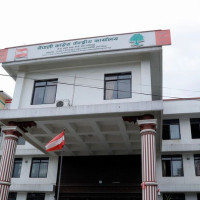
BY SAHADEV BASNETJajarkot, Jan. 29: Barekot Rural Municipality in Jajarkot district has set new ambulance service fares, but the decision has sparked strong local opposition.
Residents protested, stating that the determined fares were excessively high. The ambulance fare rates approved by the rural municipality for the fiscal year 2025/26 are being criticised as being beyond the financial reach of the general public, leading to widespread public anger.
According to a notice signed by Chief Administrative Officer Mohan Giri, the ambulance fare from Barekot-Limsa to Kathmandu has been fixed at Rs. 70,000. Similarly, fares have been set at Rs. 60,000 to Chitwan, Rs. 24,000 to Nepalgunj, Rs. 23,000 to Kohalpur, and Rs. 21,000 to Surkhet. Locals complained that fares to neighbouring and nearby destinations were unreasonably high.
According to locals, the fare from Jajarkot-Khalanga is set at Rs. 10,000 to Chaurjahari, Rs. 12,000 to Dalli, and Rs. 5,000 to Radi, with a further charge of Rs. 6,000 to Radi. Within the same municipality, fares have been fixed at Rs. 2,000 to Ramidanda, Rs. 3,000 to Berna, Rs. 4,500 to Jiri, Rs. 2,000 to Silingi, and Rs. 4,000 each to Ghartigaun and Patihalna.
Local Kali Bahadur Nepali accused the rural municipality of playing with people’s lives by imposing such expensive fares on an ambulance service that is meant to serve poor and rural patients. He stated that instead of providing relief, ambulance fares had become a financial burden that forces families into debt while transporting patients to hospitals.
Similarly, social activist Tabin Karki demanded an immediate review of the fare structure. Local elected representatives and others have also urged the authorities to reduce the fares, arguing that maintaining a fare of Rs. 4,000 even within the same municipality suggests an intention to discourage poor residents from using the service.
Meanwhile, Rural Municipality Chairman Bir Bahadur Giri stated that he was informed the staff had set the ambulance fares in accordance with the Ambulance Operation Guidelines. He then assured that the rates would be revised immediately following public complaints. The rural municipality administration, however, claimed that the fares were determined based on distance, fuel costs, maintenance expenses, and driver wages.
-original-thumb.jpg)