- Sunday, 3 May 2026

Water Of Prejudice
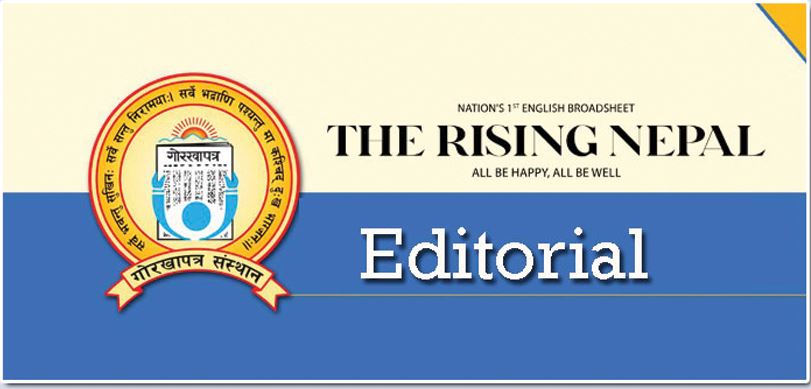

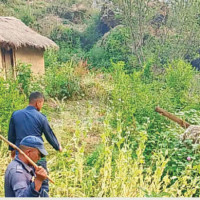
Menstruation is a completely normal biological process, but people still consider it impure and a sin. As a result, menstruating women are not even allowed to use the water from public taps. This is the height of discrimination that is still prevalent in the villages of Bajura district in Sudurpaschim Province. The fear of shamans and elderly men is the main reason to believe in such superstitions, which impact the health and dignity of women. As per a news report published in this daily the other day, in Badeda village of Budhiganga Municipality-10, there is a water tap, popularly known as the “Chhaupadi Tap”. This tap is exclusively used by nearly 200 households, exclusively by women during their monthly period, as they are not allowed to use other water taps.
Ironically, this water tap is known to be the cleanest water tap in the entire village, supplying water to vast agricultural lands, which is very crucial as hundreds of ropanis of land depend on this water for rice cultivation. However, this water source is on the verge of losing all its value because of neglect. The recurrence of landslides during the monsoon period is destroying it gradually. This water tap is tagged as “impure” because of traditional faith, as it is used only by menstruating women. No one dares to initiate conservation efforts to preserve the water source, as many religious practitioners and healers consider it impure.
The practice of Chhaupadi has been made illegal, but it still defines the lives of the people in Badeda. Girls are still denied proper rooms to rest and nutritious food like milk, curd, and ghee during their periods. They are still not allowed to take baths at normal water spouts. Girls and women who try to defy such practices are scolded and told that they are bringing bad luck to the village. Chhaupadi is gradually being eliminated from other parts of the country, but in this particular village, this malpractice persists strongly.
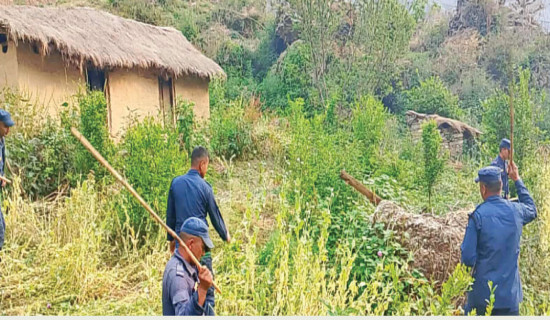
Every attempt to stop Chhaupadi has been met with strong opposition, not only from the uneducated groups but also from the educated members of the community. Fear is still the strongest force that gives continuity to harmful practices in the village. People here believe that if women do not observe the restrictions, their families will suffer the curse of God. After recurring incidents of death due to the practice of sending women to stay in Chhaupadi sheds during menstruation, the Chhaugoth demolition drive was imposed nationwide in 2019. However, due to a lack of proper monitoring and follow-ups by the concerned authorities, the huts have started popping up again in the villages.
The shamans argue that they will face the wrath of the gods if women do not follow the restrictions during menstruation. The first and foremost thing is to change the mindset of people. The government, in coordination with the local representatives, should convince the shamans and local people and conduct an awareness programme about the ill practice of Chhaupadi. Strict implementation of laws is the only option left to eradicate such an unhealthy practice of Chhaupadi.
-square-thumb.jpg)
-original-thumb.jpg)