- Sunday, 3 May 2026

Separate tap for Bajura women during menstruation
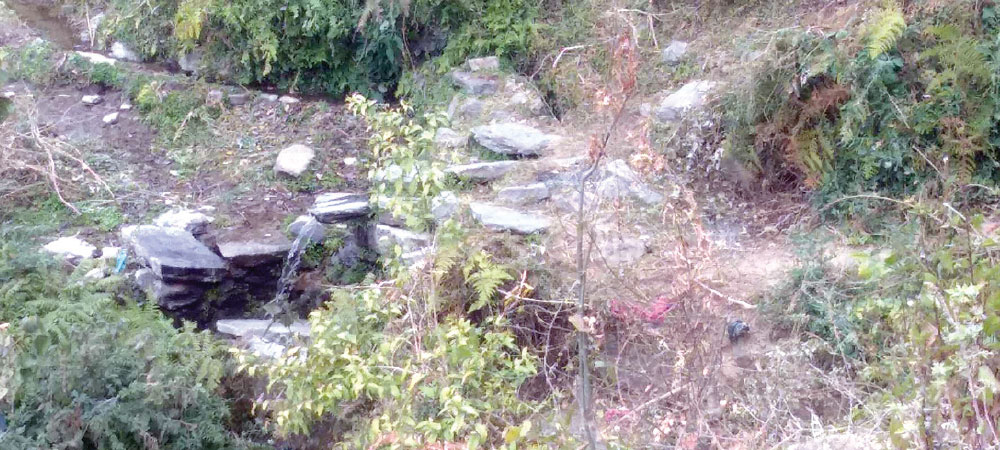

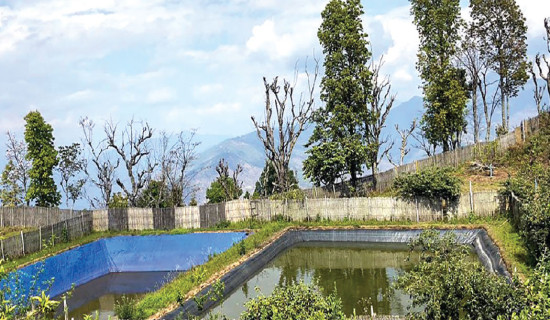
BY SHER BAHADUR SARKI,Bajura, Jan. 27: In Budhiganga Municipality-10, Bajura, there is a water tap known as the ‘Chhaupadi Tap,’ which women use for bathing during menstruation.
At this tap, women from nearly 200 households of Badeda village bathe and wash clothes while they are menstruating. For this reason, the tap has been named Chhaupadi Tap, said Pramita BK (name changed), a local of Budhiganga Municipality-10.
She said, “This is the cleanest and best water source in the entire Badeda village. Water from this source is used for irrigation in many areas. During the rainy season, this source alone supports rice planting on more than hundreds of ropanis of land.”
The tap is very old, and landslides frequently occur above it. Due to these landslides, the tap has been gradually deteriorating. Instead of conserving and protecting this water source, it has been labelled as the Chhaupadi Tap, which has resulted in a lack of proper conservation of the source as well, BK added.
Because menstruating women bathe at this tap, no shamans (dhami-jhakri) have gone near it for generations. Not only that, many elderly people who regularly perform religious rituals do not even touch this water, let alone drink it.
Even today, the practice of Chhaupadi remains widespread in Badeda village of Budhiganga Municipality-10. Due to this tradition, which locals have followed for generations, adolescent girls of the current generation are still deprived of nutritious foods such as curd, milk, and ghee during menstruation. They are still not permitted to bathe at other drinking-water taps in the village.
If they try to forcibly bathe or wash clothes at the village’s drinking-water taps, they are severely scolded by shamans and elderly people. Shamans often take action against them, accusing them of polluting the tap.
In other villages, the practice of Chhaupadi has mostly been eliminated. However, in Badeda village, the situation remains much the same as before, said local Man Bahadur Sarki of Budhiganga Municipality-10.
He said, “We made many efforts to eliminate the Chhaupadi practice, but the resistance from shamans, elderly people, and even educated and literate women has become a major obstacle to its eradication.”
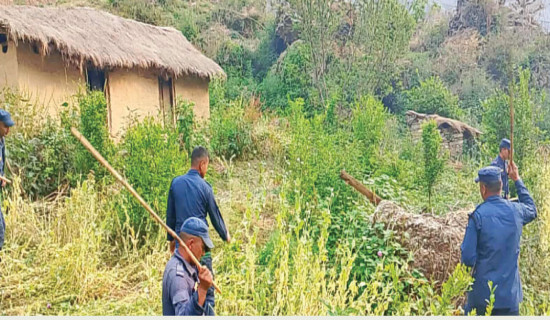
Some time ago, there was a campaign to demolish Chhaugoths. Many such huts were destroyed during that campaign. However, after the campaign slowed down, new Chhaugoths are being built again in the village. As a result, adolescent girls continue to suffer greatly during menstruation, Sarki said.
Ward member of Ward No. 10 Jagu Sarki stated that the ward office has been continuously working to eliminate social evils like Chhaupadi. He said, “Due to people who resist social change and cling to outdated beliefs, the ward office faces difficulties in social reform.”

-square-thumb.jpg)