- Saturday, 6 June 2026

Safeguarding Madhes’ hard-won rights is the present challenge
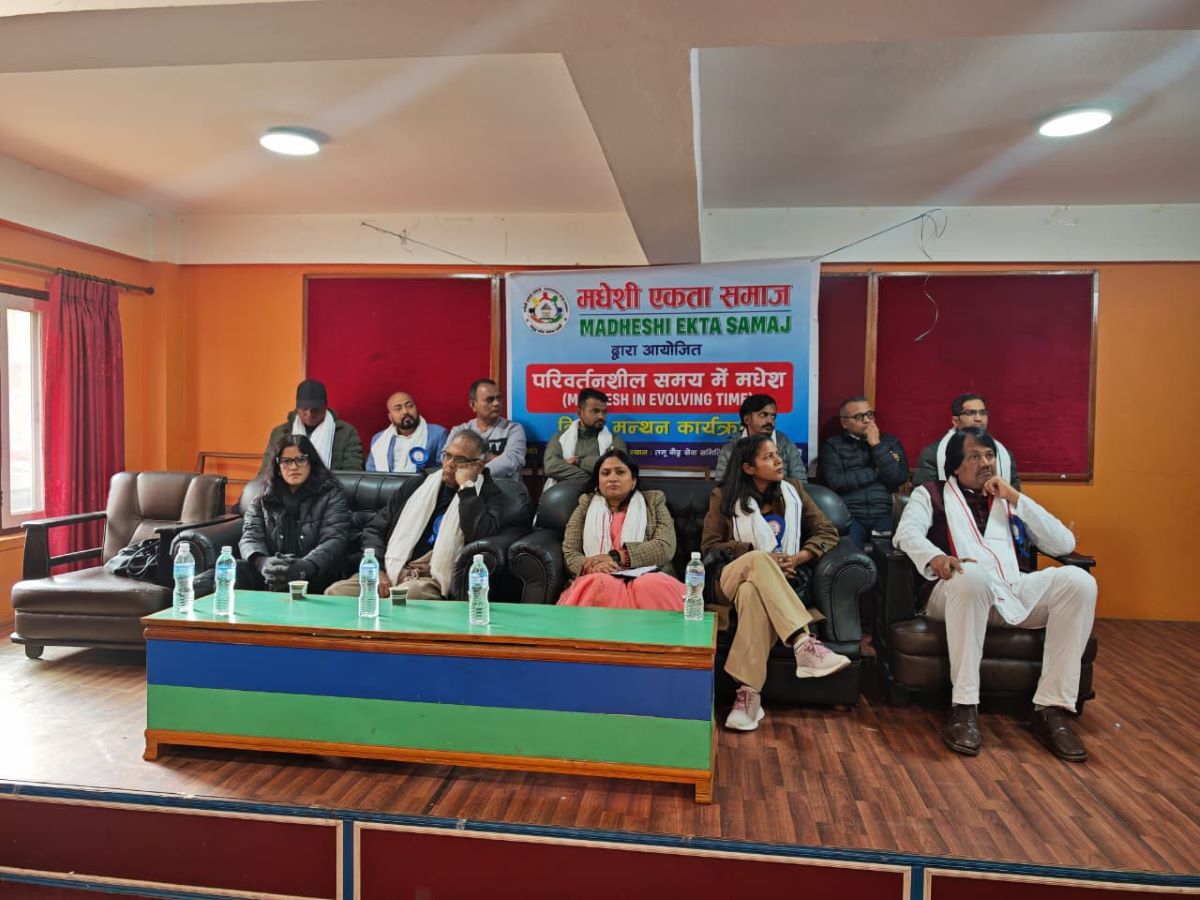
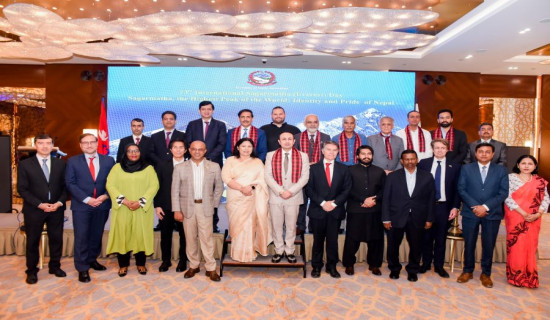
By A Staff Reporter, Kathmandu, Dec. 21: Madheshi Ekta Samaj, an international umbrella organization of Madhesis living abroad, organised a discussion programme in Kathmandu on Saturday focusing on the political developments in the country following the Gen Z movement.
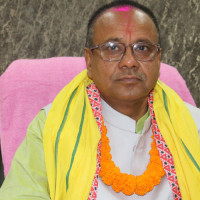
Speaking at the interaction titled ‘Madhes in Evolving Time’, Dr. C.K. Raut, Chairperson of the Janamat Party, said that after the Gen Z movement they have been searching for where Madhes stands today.
He stated that following the movement, he and his party’s lawmakers had resigned, but later witnessed direct attacks on federalism and the parliamentary system.
Dr. Raut alleged that after he began questioning the position of Madhes in post-Gen Z movement, he received threats from a senior Gen Z leader.
He emphasised that the Madhes Movement did not emerge without reason, nor was Madhesi identity achieved effortlessly, noting that many had made sacrifices for it.
He credited the proportional electoral system brought by the Madhes Movement for enabling Madhesis, Dalits, Muslims, and Indigenous nationalities to reach Parliament and gain reservation rights.
According to him, had voices from Madhes not been raised, federalism itself would have ended after the Gen Z movement. However, he welcomed the recent agreement between the Gen Z group and the government for addressing the concerns of Madhesis, Tharus, Indigenous nationalities, and Dalits.
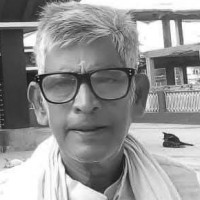
Political analyst C.K. Lal said that Madhes was nowhere to be seen during the Gen Z movement. Although Madhesis participated, he said they gained nothing from it and remained mere spectators in the agreement between the Gen Z group and the government.
Lal argued that Madhesis are still not fully accepted as Nepalis and that the current national situation is unfavorable to Madhes. He added that apart from waiting for favorable conditions, there seems to be no alternative. While youth aspire for change, he cautioned that the nature of such change remains uncertain, stating that the situation today is similar to that of 1990.
Lal asserted that the current constitution does not favor Madhesis and that their rights will not be secured unless the constitution is rewritten or amended.
He also expressed skepticism that upcoming elections would ensure Madhesi rights, calling for a new form of struggle.
He emphasized the need for capable leadership in Madhes, noting that leadership does not emerge overnight.
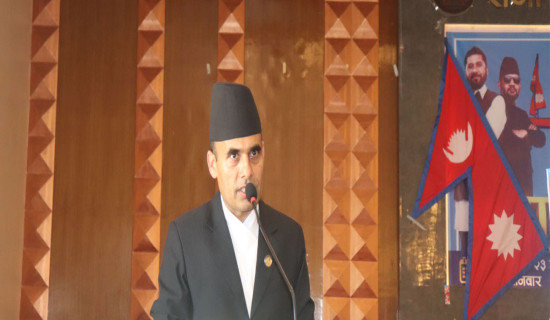
Similarly, another analyst, Tulanarayan Sah, said every movement eventually reaches an agreement with the state, but such agreements tend to marginalise Madhes. He pointed out that while every movement has a leader, the Gen Z movement lacked clear leadership.
According to him, although the Gen Z movement aimed at good governance and generational change, the question of Madhes remained unanswered, and even after the movement, internal generational reform did not arise within Madhesi parties.
Sah stated that the Madhes Movement had carved out its space in Kathmandu, but Madhes was absent from the post–Gen Z agreements. He warned that the hidden agenda of the movement was to portray federalism as expensive, and without resistance from Madhes, federalism itself could have been undermined. Safeguarding the rights already achieved by Madhes, he said, is the most pressing challenge today.
The program was moderated by multi-talented Anand Gupta. Madheshi Ekta Samaj spokesperson Dipendra Chaube welcomed the speakers and participants, while the organization’s founding president and international coordination committee convener Dr. Rabindra Kumar Yadav outlined the society’s contributions and future plans.
Participants including social activist Rakesh Mishra, analyst Rajesh Bidrohi, Mithila artist Ranju Yadav, Gen Z leader Shiv Yadav, activist Aavas Guru, youth activist Majid Ansari, and film actress Sarita Sah also shared their views on the occasion.
Chairing the event, Nepal coordinator of Madheshi Ekta Samaj Dr. Bobby Singh Yadav thanked all attendees and recited a poem reflecting on Madhes’ struggle, unity, and future.
-square-thumb.jpg)

-original-thumb.jpg)
-original-thumb.jpg)