- Tuesday, 9 June 2026

Stakeholders call for stronger action against Technology-Facilitated Gender-Based Violence
.jpg)

By TN Online, Kathmandu, Dec 21 : Stakeholders call for stronger action against Technology-Facilitated Gender-Based Violence.
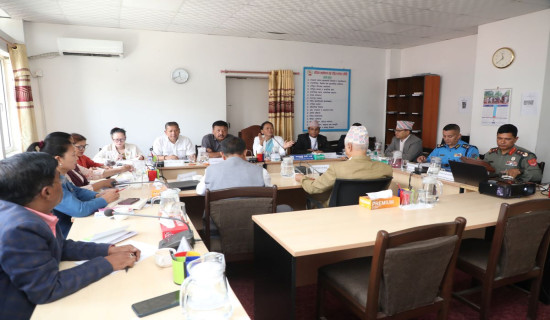
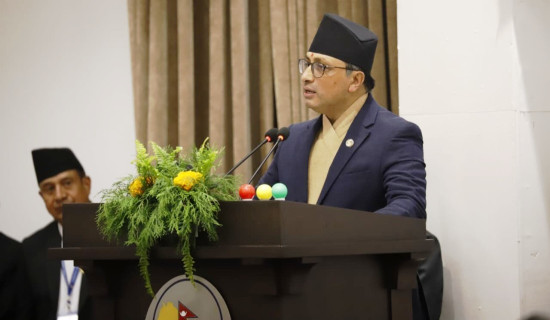
According to the press release, a National Dialogue on Improving Access to Justice for Technology-Facilitated Gender-Based Violence (TFGBV) Survivors- Children, Adolescents, Youth, and Women jointly was organized in Lalitpur by Children as Zones of Peace-National Campaign (CZOP-Nepal) and Saathi on December 19 in collaboration with UNFPA, AEIN-Luxembourg, and Men Engage Alliance Nepal.
A panelist at the national dialogue, Neera Adhikari, Under-Secretary at the Ministry of Women, Children, and Senior Citizens, highlighted that marginalized women and girls, including those with disabilities, are among the most affected due to limited digital literacy and weaker access to justice.
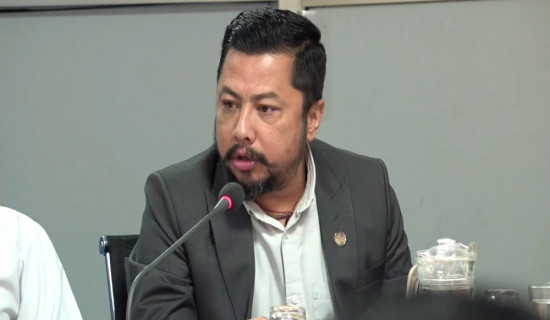
Deepak Raj Awasthi, Superintendent of Police and spokesperson at the Nepal Police Cyber Bureau, said that online grooming, non-consensual sharing of intimate images and digital extortion account for the majority of TFGBV cases. He emphasized that such incidents remain severely under-reported in Nepal due to stigma and fear.
Intersex rights advocate Esan Regmi cautioned against narrowly defining technology as only phones or social media platforms. He said medical technologies are often misused to perform non-consensual surgeries on intersex children at birth, violating their bodily autonomy and causing long-term harm. He urged a broader understanding of technology-related rights violations.
Advocate Apsara Magar said Nepal’s legal framework has yet to mature enough to respond to rapidly evolving technologies, platforms and tools that enable swift data breaches and new forms of crime. She noted that women and children are disproportionately affected.
Facilitating the discussion, Pinky Singh Rana, member of Saathi, said many TFGBV cases go unreported due to social stigma, fear of secondary victimization, and shame associated with the circulation of intimate images.
Tilottam Poudel, President of Children as a Zone of Peace (CZOP), described TFGBV as a new pandemic with lasting impacts on survivors. He called on civil society organizations to empower survivors to raise their voices and to prioritize rehabilitation and long-term recovery support.
Suvekchya Rana, Executive Director of Saathi, said gender-based violence is increasingly intertwined with technology in one form or another. She warned that the rapid rise of artificial intelligence has further heightened risks for women and girls, particularly through the mass generation and amplification of patriarchal, misogynistic, and harmful content across the web and digital platforms.
Raju Ghimire, General Secretary of CZOP-Nepal, emphasized the need for stronger collaboration among key stakeholders to protect children, adolescents, youth, and women from technology-facilitated gender-based violence.