- Friday, 8 May 2026

Gambia people voicing against female genital mutilation
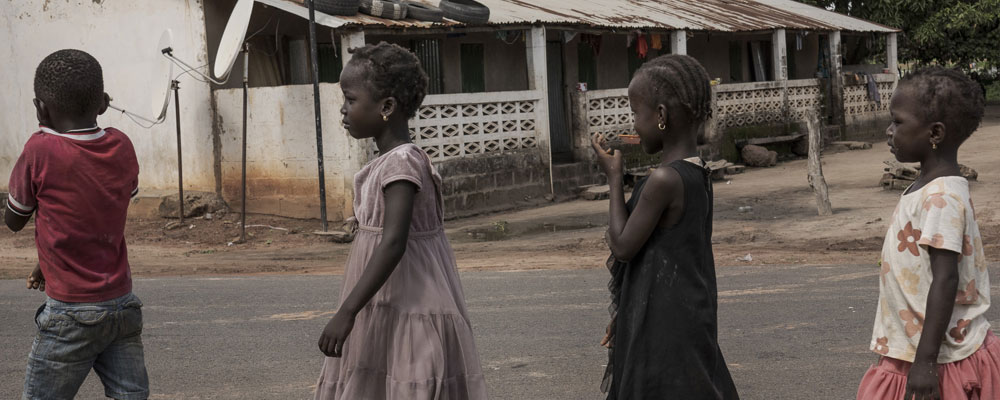

Soma, Gambia, Aug. 4: When Metta, a mother of six from rural Gambia, heard that lawmakers were considering reversing the country's ban on female genital cutting, a centuries-old practice she underwent as a child and now fiercely opposes, she was determined that her voice be heard.
She packed her bag and boarded a bus to Gambia's capital, Banjul, to join scores of women protesting outside the parliament in the largely Muslim nation of less than 3 million people in West Africa.
“I was standing there with a banner,” she told The Associated Press. “Once we got the news that the ban was kept in place, we danced and cried.”
Gambia was for months rocked by a heated debate on female genital mutilation, or FGM, a cultural rite rooted in concepts about sexual purity and control of women. It was the first time the practice — also known as female circumcision and outlawed in many nations — was publicly discussed. Reversing it would have been a global first.
Eventually, lawmakers killed the proposal by rejecting all its clauses and preventing a final vote on the bill on July 16. Rights groups declared victory but the debate stirred deep angst among women’s activists.
And though the world's attention was focused on the legislative process, the real battle is still going on — quietly fought by people like Metta, far from the parliament’s chambers and across rural areas where activists say FGM is still prevalent and remains a highly sensitive topic.
Women in Gambia's rural hinterland — even those like Metta who cheered in front of the parliament — are reluctant to talk about cutting, fearing a backlash. Some who spoke out against the practice said they received hate messages. When speaking to the AP, women would not give their full names for fear of reprisals.
Local activists are walking a thin line. After agreeing to give the AP full access to an awareness village meeting, they took it back, saying that the foreign journalists' presence could jeopardize their efforts.
The challenges are staggering. The United Nations estimates that about 75% of women in Gambia have been subjected as young girls to FGM, which includes partial or full removal of a girl’s external genitalia. The World Health Organization says it's a form of torture.
The procedure, typically performed by older women or traditional community practitioners, is often done with tools such as razor blades and can cause serious bleeding, death and complications later in life, including in childbirth.
More than 200 million women and girls across the world are survivors of FGM, most of them in sub-Saharan Africa, according to U.N. estimates. In the past eight years alone, some 30 million women globally have been cut, most of them in Africa but also in Asia and the Middle East, UNICEF said in March.
In 2015, Gambia's former leader Yahya Jammeh — now in exile and accused of human rights violations — unexpectedly banned cutting, giving no explanations.
However, the practice continued. The first prosecutions occurred only last year, when three women were convicted for taking their daughters to be cut, sparking a backlash to the ban and setting off the debate.
Gambian authorities did not respond to a request for comment about the issue. (AP)