- Friday, 8 May 2026

Students who protested face career uncertainty
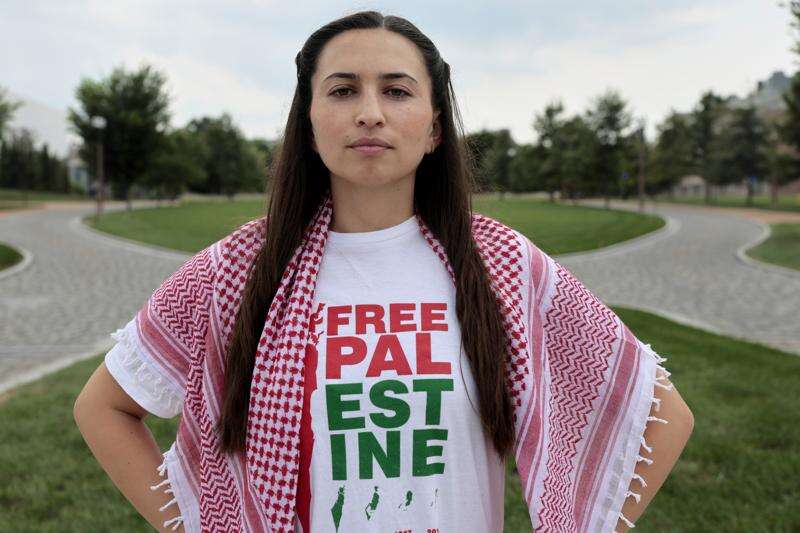

Amherst, Mass, Aug. 3: Since her arrest at a protest at the University of Massachusetts, Annie McGrew has been pivoting between two sets of hearings: one for the misdemeanour charges she faces in court, and another for violations of the college's conduct code.
It has kept the graduate student from work toward finishing her dissertation in economics.
“It’s been a really rough few months for me since my arrest,” McGrew said. “I never imagined this is how UMass (administration) would respond.”
Some 3,200 people were arrested this spring during a wave of pro-Palestinian tent encampments protesting the war in Gaza. While some colleges ended demonstrations by striking deals with the students, or simply waited them out, others called in police when protesters refused to leave.
Many students have already seen those charges dismissed. But the cases have yet to be resolved for hundreds of people at campuses that saw the highest number of arrests, according to an analysis of data gathered by The Associated Press and partner newsrooms.
Along with the legal limbo, those students face uncertainty in their academic careers. Some remain steadfast, saying they would have made the same decisions to protest even if they had known the consequences. Others have struggled with the aftermath of the arrests, harbouring doubts about whether to stay enrolled in college at all. In St. Louis, Valencia Alvarez is waiting to hear what will come of the potential charges she and 99 others could face for a protest April 27 that lasted less than half a day at Washington University.
Twenty-three of those arrested were students. In June, the university gave them two options: They could face a hearing with the Office of Student Conduct, or they could “accept responsibility” and forgo further investigation. Alvarez took the first option. “I don’t really plan on being quiet about this, and I think that’s the goal of the second option,” Alvarez said.
The demonstrations swept public and private universities, on campuses large and small, urban and rural. As students return this fall, colleges are bracing for more protests against both Israel's military and Hamas, and strategizing over tactics including when to call in law enforcement — decisions that have had lasting reverberations.
Some college leaders said calling police was the only option to end protests that stood in the way of commencement ceremonies, disrupted campus life and included instances of antisemitic signs and language.
Student groups and some faculty members have blasted college leaders for inviting police inside their gates. In their view, the police actions often trampled peaceful demonstrations with unnecessary levels of force.
For some students, the impact on their academic careers has affected them more than any legal jeopardy.
At Washington University, conduct hearings for arrested students began recently but have yet to result in disciplinary decisions. In the meantime, Alvarez does not have the master’s degree in public health she would have received by now if not for her arrest. (AP)