- Monday, 27 April 2026

KMC revives ancient names of local heritages
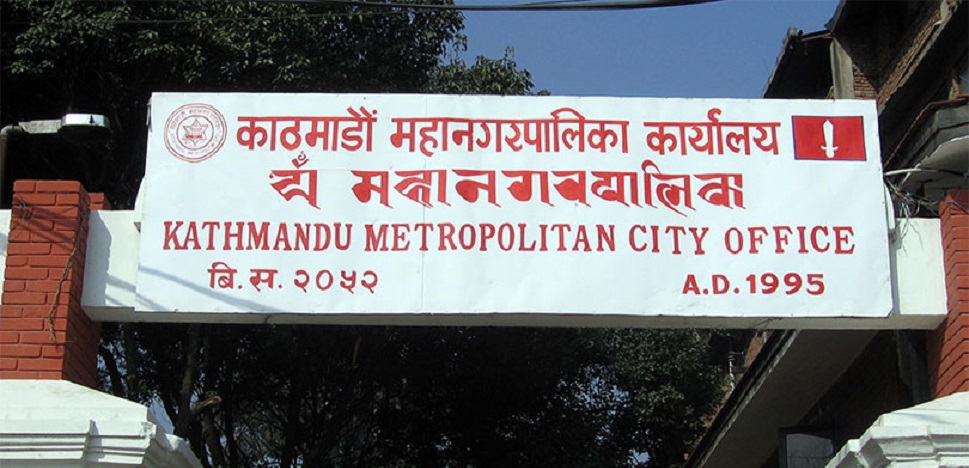
Kathmandu, March 15: The Kathmandu Metropolitan City (KMC) has initiated a process to revive the native names of its historic, cultural, and religious sites, and to bring them into practice.
The local government has enlisted
the expertise of cultural experts, archaeologists, linguists, and historians to
identify the original names of local settlements, temples, religious shrines,
sattal, and stone spouts of significant historical and cultural
importance.
According to Ashaman Sangat, the
coordinator of the Kathmandu Metropolitan City Office's Heritage and Tourism
Committee, the initiative commenced from five wards initially: Wards 5, 6, 7,
18, and 24 within the metropolis.
Thus far, it has been confirmed
that the historical name of what is commonly known as Handigau is Nara, and
Boudha has been identified as Khasyor or Khasti in ancient records. Similarly,
the current Chabahil was historically referred to as Chabahi, Naradevi as
Ngeta, and Makhan as Mankha.
This programme aims to restore the
historical, cultural, and archaeological identities of the city and is
supported by the Centre for Integrated Urban Development.
The revived names will be
prominently displayed in scripts including Ranjana, Devanagari, and English. As
per researcher Asmita Shrestha, the name plates will feature a background of
red and black, reminiscent of the colours of Hakupatasi, the traditional attire
of Newari women. (RSS)


-original-thumb.jpg)
-original-thumb.jpg)