- Monday, 27 April 2026

Development parttners laud Chandragiri's efforts in localizing SDGs
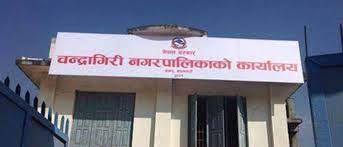
Kathmandu, March 14: Representatives of major development partners and the United Nations (UN) agencies in Nepal lauded Chandragiri Municipality's practice to localize the Sustainable Development Goals ( SDGs).
The municipality has been
incorporating and implementing its policies in its plan, taking up SDGs the
main basis for making education, health, gender equality, drinking water and
sanitation, safe, beautiful and accessible to all. Representatives of the
United Nations Human Settlement Programme (UN HABITAT), the
European Union, the World Bank, the United States Development Agency (USAID) and the United Nations Office for Project Services (UNOPS) said the municipality's efforts for sustainable, inclusive and resilient economic and social development to achieve the SDGs were laudable and suggested to continue it.
In a meeting with the
representatives of these agencies on Wednesday, the municipality delivered a
presentation about the contents included in its policy plan and the works being
carried out to achieve the SDGs.
It may be noted that Chandragiri
municipality was selected for 'City for Women' project under the SDGs.
Chandragiri Municipality mayor
Ghanashyam Giri shared the municipality has already prepared a draft of the
local volunteer review report and has been giving equal priority to the
conservation of public land, education, health and social development.
"The municipality has adopted
the policy of one ward one garden and one ward one open space. Gender equality,
participation of all classes and communities has been made in the selection and
implementation of plans from the community level.
Deputy mayor Basanti Shrestha
shared the municipality has been giving priority to localizing sustainable
development and adopted women, children, tribals, Dalits, disabled and senior
citizen friendly policies.
Chief Administrative Officer Hemraj
Aryal made a presentation about the efforts being made by the municipality in
the economic and social sectors to achieve the SDGs of the municipality.
European Union Nepal representative
Eloisa Astidullo enquired about gender equality and inclusion in the local
planning process and suggested focusing on the economic and social empowerment
of women and marginalized communities.
Dr. Odicea Angelo Barrios,
representative of UN Habitat Asia Pacific Regional Office, Japan, appreciated
the practices adopted by the municipality to localize the SDGs such as
education, health, gender equality, drinking water and sanitation, safe, beautiful
and accessible cities.
USAID Nepal representative David
Mann pointed out the need for collective efforts to achieve the SDGs and
suggested to protect open areas, meaningful participation of minorities,
marginalized and vulnerable communities in decision-making and make the local
development process inclusive.
UNOPS representative Ilija GUBIC
stressed the need to localize SDGs.
-square-thumb.jpg)
-original-thumb.jpg)
-original-thumb.jpg)