- Sunday, 10 May 2026

Cope With Seasonal Depression

Seasonal Affective Disorder (SAD) is a form of depression that distresses millions of people worldwide, and it can have a significant impact on their quality of life. It is a complex mental health condition that typically occurs during the winter months when daylight hours are shorter. SAD can have a profound impact on an individual's overall well-being, making it crucial to raise awareness and understanding about this often misunderstood disorder.
SAD is not simply a case of the "winter blues" but a genuine mental health condition that can significantly impact a person's quality of life. The lack of sunlight during winter months can disrupt the body's internal clock, leading to a range of symptoms including fatigue, low mood, loss of interest in activities, and changes in appetite. These symptoms can be debilitating, affecting one's ability to function at work, maintain relationships, and enjoy life.
Understanding the Causes
It is a form of depression that is related to changes in seasons, with symptoms typically starting in the fall and continuing through the winter months. SAD is estimated to affect around 1-10 per cent of the general population, depending on the geographical location. It is more common in higher latitudes where there are shorter daylight hours during the winter months. SAD is more common in women than in men, with studies suggesting that women are about four times more likely to be affected. The reasons for this gender difference are not fully understood but may be related to hormonal factors. SAD typically starts in early adulthood, with the average age of onset being in the early 20s. However, it can also occur in children, adolescents, and older adults.
SAD is more prevalent in northern latitudes, where there are longer periods of darkness during the winter months. Certain factors increase the risk of developing SAD. These include a family history of depression or SAD, living far from the equator, having a personal or family history of other mood disorders, and having a history of substance abuse. While the exact cause of SAD is still not fully understood, researchers believe that a combination of factors contributes to its development. One of the main causes of SAD is a lack of sunlight. One prominent theory suggests that reduced exposure to sunlight affects the body's internal clock and decreases the production of serotonin, a neurotransmitter that regulates mood.
Additionally, disruptions in the body's circadian rhythm and changes in melatonin levels may also play a role in the onset of SAD. During the winter months, the days are shorter and the sun is lower in the sky, which means that people are exposed to less natural light. The symptoms of SAD can vary from person to person, but they often include feelings of sadness, hopelessness, and anxiety. People with SAD may also experience changes in their appetite and sleep patterns, as well as a lack of energy and motivation.
SAD also causes a lack of energy and increased fatigue, difficulty concentrating and making decisions, increased irritability and agitation, changes in appetite, often with cravings for carbohydrates and weight gain, social withdrawal and decreased interest in activities previously enjoyed, and oversleeping or difficulty sleeping. Physical symptoms such as headaches, body aches, and stomach problems can also be seen in SAD.
Fortunately, there are several treatments available for SAD. One of the most effective is light therapy, which involves exposure to bright artificial light for a set amount of time each day and has shown promising results in alleviating symptoms. This can help regulate the body's internal clock and increase the production of serotonin. Other treatments for SAD include psychotherapy, medication, and lifestyle changes such as exercise and a healthy diet. People with SAD need to seek help from a healthcare professional, as the condition can have a significant impact on their mental health and well-being. In severe cases, medication and psychotherapy may be recommended to provide additional support.
Awareness is important to bring people in need of help to different treatment options. Despite its prevalence, SAD often goes undiagnosed or misdiagnosed due to a lack of awareness and understanding. Many individuals may dismiss their symptoms as a normal part of winter or attribute them to other causes. By raising awareness about SAD, we can encourage individuals to seek help and support, reducing the stigma surrounding mental health and promoting early intervention.
Strategies
For those affected by SAD, various coping strategies can help manage symptoms. Engaging in activities that bring joy and fulfillment, such as hobbies or spending time with loved ones, can provide a much-needed boost. Creating a daily routine, ensuring exposure to natural light, and practicing self-care are also essential in maintaining mental well-being during the winter months.
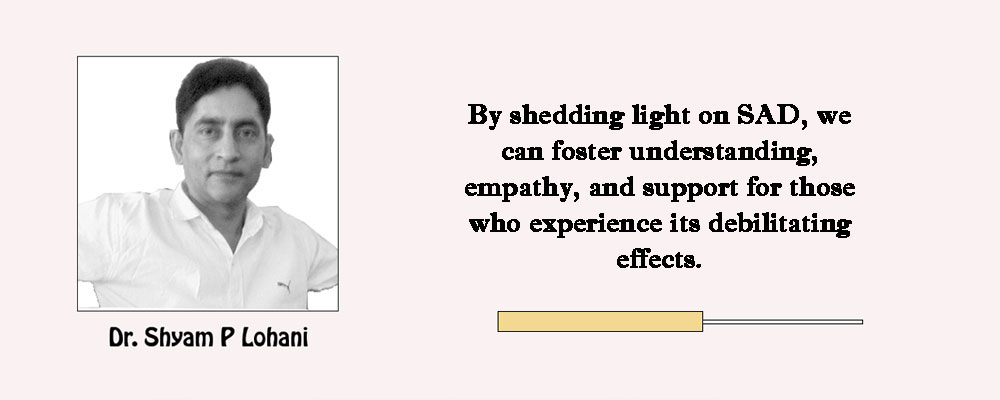
SAD is a real and significant mental health condition that affects countless individuals each year. By shedding light on SAD, we can foster understanding, empathy, and support for those who experience its debilitating effects. It is crucial to recognise the signs, seek appropriate treatment, and promote self-care strategies to ensure that individuals affected by SAD can lead fulfilling lives, even during the darkest of seasons. It is crucial that if you or someone you know is experiencing symptoms of SAD or any other mental health problem, it is important to seek professional help for proper diagnosis and treatment.
(Dr. Lohani is the executive director at Health Concern. lohanis@gmail.com)