- Sunday, 10 May 2026

Colorado wolves gain new frontier
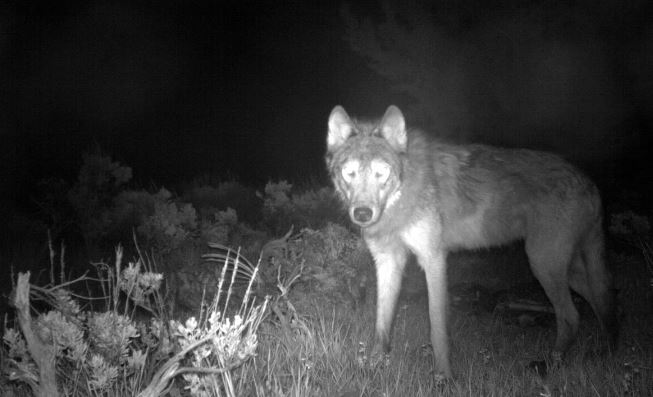

Denver, Colo., Dec. 12: Wildlife officials plan to release gray wolves in Colorado in coming weeks, at the behest of urban voters and to the dismay of rural residents who don't want the predators but have waning influence in the Democratic-led state.
The most ambitious wolf reintroduction effort in the U.S. in almost three decades marks a sharp departure from aggressive efforts by Republican-led states to cull wolf packs. More releases planned for Colorado over the next several years will start to fill in one of the last remaining major gaps in the western U.S. for a species that historically ranged from northern Canada to the desert southwest.
The reintroduction, starting with the release of up to 10 wolves, emerged as a political wedge issue when GOP-dominated Wyoming, Idaho and Montana refused to share their wolves for the effort. Colorado officials ultimately turned to another Democratic state — Oregon — to secure wolves.
As anticipation grows among wildlife advocates, who've already started a wolf-naming contest, ranchers in the Rocky Mountains where the releases will occur are anxious. They've already seen glimpses of what the future could hold as a handful of wolves that wandered down from Wyoming over the past two years killed livestock.
The fear is such attacks will worsen, adding to a spate of perceived assaults on western Colorado's rural communities as the state's liberal leaders embrace clean energy and tourism, eclipsing economic mainstays such as fossil fuel extraction and agriculture.
Especially grating for rancher Don Gittleson is that his fellow Colorado residents invited the reintroduction through their narrow approval of a 2020 ballot measure. Suburbs and cities along Colorado's Front Range, which includes Denver, carried the vote despite strong opposition across less-densely populated counties where the wolves will be released — the home district of conservative Republican firebrand Rep. Lauren Boebert.
“It was the cities that voted for it, and most of them can't tell the difference between a wolf or a coyote or a dog,” said Gittleson, who lost at least six cows and calves to wolves from his Sherman Creek Ranch in northern Colorado over the past couple years — among the first documented wolf attacks in the state in more than 70 years.
In 2022, gray wolves attacked domesticated animals hundreds of times across 10 states in the contiguous U.S. including Colorado, according to an Associated Press review of depredation data from state and federal agencies. Attacks killed or injured at least 425 cattle and calves, 313 sheep and lambs, 40 dogs, 10 chickens, five horses and four goats, according to the data. Other times livestock simply goes missing, such as two calves that Gittleson said disappeared after wolves had passed through.
Such losses can be devastating to individual ranchers or pet owners. However, their industry-wide impact is negligible: The number of cattle killed or injured in the documented cases equals 0.002% of herds in the affected states, according to a comparison of depredation data with state livestock inventories.
Opposition to wolves is being used as a political bludgeon by elected officials such as Boebert, who sponsored legislation to lift remaining federal protections for wolves. That may not significantly sway an election but it's a boon “for candidates like Boebert to rally behind, I think for want of another issue, to gin up cultural resentments.” said Seth Masket, director of the Center on American Politics at the University of Denver.