- Tuesday, 2 June 2026

'We're working to build capacity of women, marginalised'
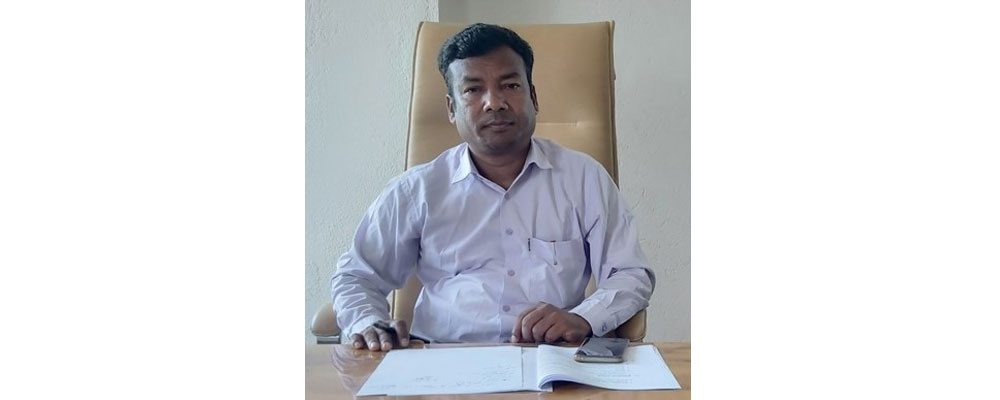

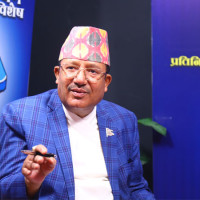
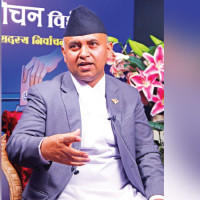
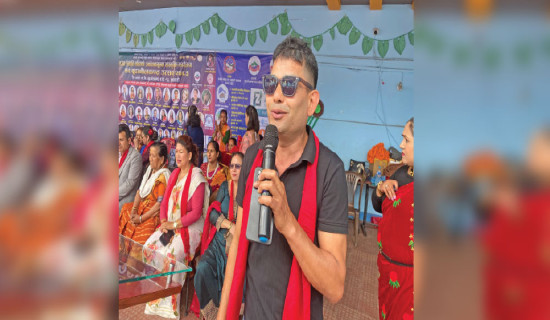
Pushpa Badi is the first mayor to be elected from the marginalised Badi community. He was elected to Rukum (West)'s Chaurjahari Municipality last year from the CPN (Maoist Centre). The Rising Nepal's Rukum (West) correspondent Raju Lamichhane talked to him about his work so far, plans for the future, and the municipality's priorities and challenges. Excerpts:
What challenges did you face in your first year in office?
The expectations people have are unlimited, but the budget we have is limited. There is a gap between the needs and the resources available to fulfil them. That is why people have complaints. There is a lack of common understanding of development works. We took the last year as a learning opportunity. Now, we'll pick up the pace. We made plans according to the budget but could not implement them because the budget was withdrawn. It is a challenge to maintain quality.
What are the things your municipality must do? How do you plan to do them?
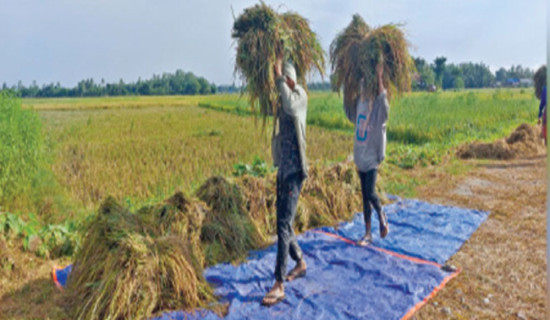
We are focusing on increasing production and creating self-employment opportunities. This year, we plan to concentrate on agriculture and animal husbandry. For employment, we will integrate the municipality's labour force, and implement projects seeing the available budgets and within the stipulated conditions. We will deliver services effectively and efficiently. We plan to provide services like social security allowances, pregnancy tests and health camps in villages, at people's doorsteps. We will introduce model examination systems for the class 5, 8 and SEE exams. We also plan to turn two schools into residential ones to enhance the quality of education.
What things have you accomplished so far?
Chaurjahari suffered from a severe lack of drinking water. We have solved this. Almost 80 per cent of the houses here now have water taps. Our residents get five units of drinking water free of cost. We have increased the number of health institutions. We have insured the health of 1,200 families this fiscal year. Coming year, we plan to insure 2,500 more. We have been providing Rs. 5,000 to people living with chronic illnesses.
We have emphasised climate-appropriate agriculture. We have put in place a system that ensures farmers never have to sell at a loss. They can sell in the market if the prices are good and they can approach the local level when the prices are bad.
Chaurjahari has also brought its city bus into operation to provide transportation facilities to its residents. We are coordinating with the federal and provincial governments to build a sports stadium, police training centre, 50-bed hospital and several factories.
We have formed children's networks and are conducting awareness programmes through them. We are also working to promote tourism, eliminate caste-based discrimination and expand irrigation, among other activities.
What are the major problems your municipality is facing and how are you solving them?
There is a problem in testing the quality of development projects. The reduction of our budget ceiling by the federal government has also created challenges. It is also sad that we are asked to monitor the projects of the federal and provincial governments but our feedback and recommendations are not entertained. We have not been able to collect garbage due to a lack of designated dumping sites, but we are working to address that through the new town project.
How are you coordinating with the federal and local governments to develop Chaurjahari?
The local governments are equal to and autonomous of the two governments. But in matters of budget, we are subservient to them. We have to face problems when they cut or freeze our budget. Also, when they invest in the same sectors as us, it creates duplication and wastage. All three governments work for the people but we have the most pressure to deliver. In the formal sense, we coordinate but in the practical sense, the situation is not satisfactory.
What is your plan for the next four years?
Our main responsibility is to change the lives of the people. We are focused on increasing production and marketing, creating employment through small and medium industries, building the capacity of women and marginalised people, preserving and promoting culture and developing people's ownership over development projects.
How did you feel after reading this news?