- Sunday, 7 June 2026

Patarasi women fight against menstrual taboo

By Netra Shahi
Jumla, May 17: Women in Patarasi Rural Municipality of Jumla have gradually started abandoning the old tradition that compels menstruating women to stay in a chhuigoth (menstrual hut) during their periods.
Most women in the area are now moving towards staying safely inside their homes during menstruation, maintaining hygiene and eating nutritious food.
The initiative has also received support from the local government and concerned stakeholders.
Preparations are underway to declare Ward No. 1 of Patarasi Rural Municipality a “Chhuigoth-Free Ward”, according to Bhagwati Giri, Chief of the Women and Children Section of the rural municipality.
She informed that Ward Nos. 2, 4 and 5 have already been declared free of Chhuigoth while preparations are ongoing to make the remaining wards free from the practice as well.
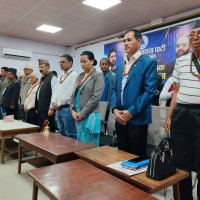
At present, a team including Rural Municipality Vice-Chair Janamaya Rokaya, officials from the education and health sections, ward chairpersons, and stakeholders has been visiting settlements and carrying out field monitoring.
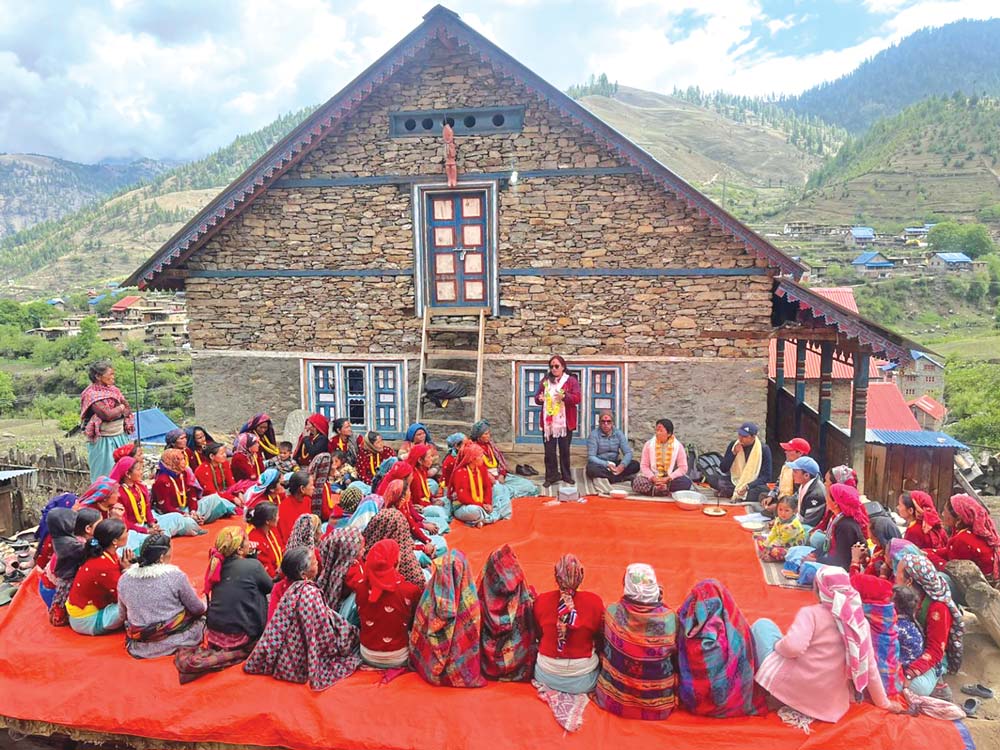
Community groups, including the Laligurans Mothers’ Group in Gadi village, have been actively engaged in the campaign to abolish Chhuigoth.
With the support of the rural municipality, Sarvodaya Nepal, which has long worked in the areas of dignified menstruation and women’s empowerment, has been raising awareness and empowering local women.
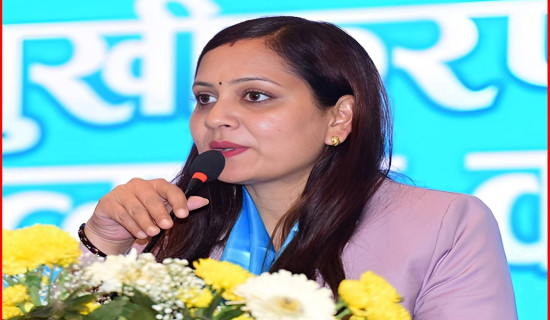
According to Vice-Chair Janamaya Rokaya, the Chhaupadi practice has seriously affected women’s health, dignity, and safety. The municipality aims to declare Patarasi a Chhuigoth Free municipality.
She stated that forcing menstruating women to stay in sheds leads to mental stress, fear, humiliation, and various health issues, which is why the municipality has prioritised ending the practice.
Ward No.1 Chairperson Lal Singh Aidi said that, in recent times, most women in the village have begun staying at home during menstruation.
He noted that the positive changes in the community indicate that the village is gradually moving towards ending the Chhaupadi practice.
Ratan Bahadur Budha Thapa, chief of the health section of Patarasi Rural Municipality, said that the practice of staying in sheds during menstruation exposes women to various health risks.
He explained that living in cold, unsafe, and unhealthy environments increases the likelihood of uterine problems, infections, pneumonia, and mental stress among women.
He added that preparations are being made without delay to declare Patarasi free from Chhaugoth.
According to Devendra Acharya, field coordinator of Sarvodaya Nepal, a monitoring committee has been formed under the coordination of Vice-Chair Rokaya to oversee the municipality’s Chhaugoth Free Campaign.
In Karnali and Sudurpashchim regions, menstruating women have also been vulnerable to attacks by wild animals and deaths from snakebites while staying in menstrual huts. As a result, women in the area are now becoming more aware and proactive.