- Sunday, 7 June 2026

Govt to expand private sector's role in energy production, trade
By A Staff Reporter
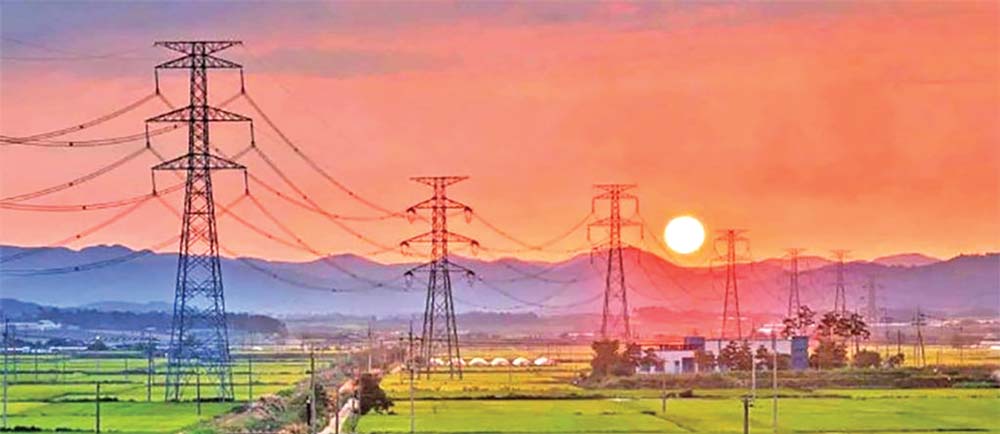
Kathmandu, May 17: The government has announced plans to ensure greater participation of the private sector in electricity generation, transmission, distribution, and energy trade as part of its broader strategy to strengthen the country’s energy economy.
According to the new policies and programmes, the government aims to create a more investment-friendly environment to attract domestic and international investors into Nepal’s rapidly growing power sector.
The government said it plans to use cross-border energy trade agreements as a tool to attract long-term investment in the hydropower and energy sectors.
The policies and programmes state that a national policy will be adopted to protect Nepal’s rivers not only as water resources but also as the foundation of civilisation, culture, biodiversity, and human existence.
“Rivers of religious, cultural, environmental, and social importance will be scientifically studied. Indigenous communities connected to rivers, along with their traditions and spiritual values, will be preserved as national heritage, ensuring a clean and continuously flowing river system for future generations,” the government said.
The policies and programmes include the implementation of integrated river basin-based water resource management, promoting multipurpose projects that include hydropower, irrigation, drinking water, tourism, and downstream benefits.
To achieve the target of generating 30,000 megawatts of electricity within the next decade, laws related to energy, forests, land, and the environment will be revised, and a single-window system will be introduced. Currently, the installed hydropower capacity has reached about 4,200 MW.
Additionally, citizens affected by development projects will be given the option of equity investment instead of only monetary compensation. According to the policies and programmes, off-grid solar, wind, and micro-hydropower systems will be expanded in areas not connected to the national grid.
Strategic green industries such as green hydrogen, green ammonia, and chemical fertilizers will be promoted through tax and customs exemptions, concessional electricity tariffs, capital incentives, and investment-friendly policies.
In addition, green hydrogen infrastructure will be initiated to expand its commercial use in the transport sector. Under the scheme, irrigation facilities will be ensured in the unserved areas of the Tarai-Madhes region through groundwater resources, and in cultivable terraces of hilly and Himalayan regions through lift irrigation technology.
Large-scale irrigation systems will be modernised, maintained, and restored, while developing a sustainable management system based on user participation.
The expansion of automated hydrological and meteorological stations will strengthen forecasting systems. Multi-hazard early warning systems will also be enhanced to make them more reliable.