- Thursday, 30 April 2026

New HoR members sworn-in
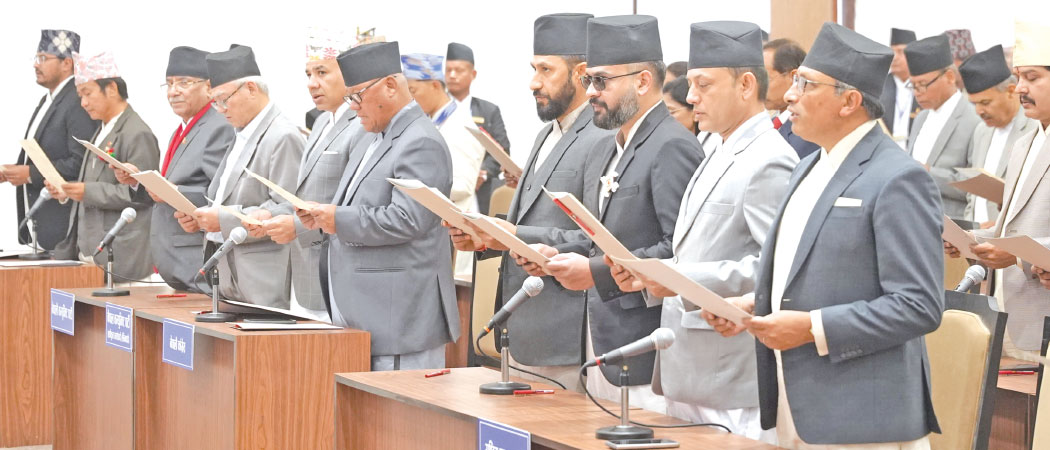

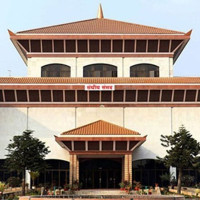
By A Staff Reporter,Kathmandu, Mar. 27: The newly elected 274 members of the House of Representatives formally assumed office on Thursday, taking the oath of office and secrecy at a ceremony held in Singha Durbar.
The oath was administered by the senior-most member, Arjun Narsingh KC, at a specially prepared multipurpose hall within the Federal Parliament Secretariat. The event marked the official commencement of the new parliamentary term following the recent general elections.
KC himself had been sworn in a day earlier by President Ramchandra Paudel, in accordance with constitutional provisions that require the senior-most lawmaker to administer the oath to fellow members. The swearing-in process is mandated by the Constitution of Nepal and relevant electoral laws.
Lawmakers began arriving at the venue well ahead of the scheduled 2 pm ceremony, many dressed in traditional attire reflecting Nepal’s cultural diversity. The Parliament Secretariat had instructed members to bring their election certificates, citizenship documents, and photographs to facilitate the process.
A notable feature of the ceremony was the linguistic diversity on display. According to Ekram Giri, Spokesperson for the Federal Parliament, 64 MPs took their oath in languages other than Nepali, opting instead for their respective mother tongues or the language of their choice.
The languages used included Achhami, Awadhi, Kathariya Tharu, Chamling, Chantyal, Doteli, Tamang, Tharu, Nepal Bhasha, Bajjika, Bajhangi, Bantawa, Bhojpuri, Magar Kham Bhasha, Magahi, Maithili, Rana Tharu, Limbu, and Sanskrit, among others.
A beautiful display of traditional attire was seen, worn by newly elected MPs from different ethnic backgrounds. This reflected the diversity of Nepali society and its representation in the House of Representatives.
The trend of taking oaths in native languages has grown steadily over the years. During the 2007 interim parliament, 58 members chose to do so, while the number rose significantly to 264 in the 601-strong Constituent Assembly formed the following year.
Speaking at the ceremony, Parliament General Secretary Padma Prasad Pandey welcomed the newly elected representatives and acknowledged the challenges faced in organising the event. He noted that the existing parliament building in New Baneshwor had been rendered unusable following damage during the protests in September, while the new structure remains incomplete.
As a result, authorities hastily prepared the multipurpose hall to ensure the swearing-in could proceed as scheduled.
The composition of the new House reflects a significant shift in the political landscape. The Rastriya Swatantra Party emerged as the largest force, securing 182 seats. It is followed by the Nepali Congress with 38 seats, CPN (UML) with 25, the Communist Party of Nepal with 17, the Shram Sanskriti Party with seven, Rastriya Prajatantra Party with five seats and one Independent.
-original-thumb.jpg)