- Thursday, 30 April 2026

Homestay service in century-old house
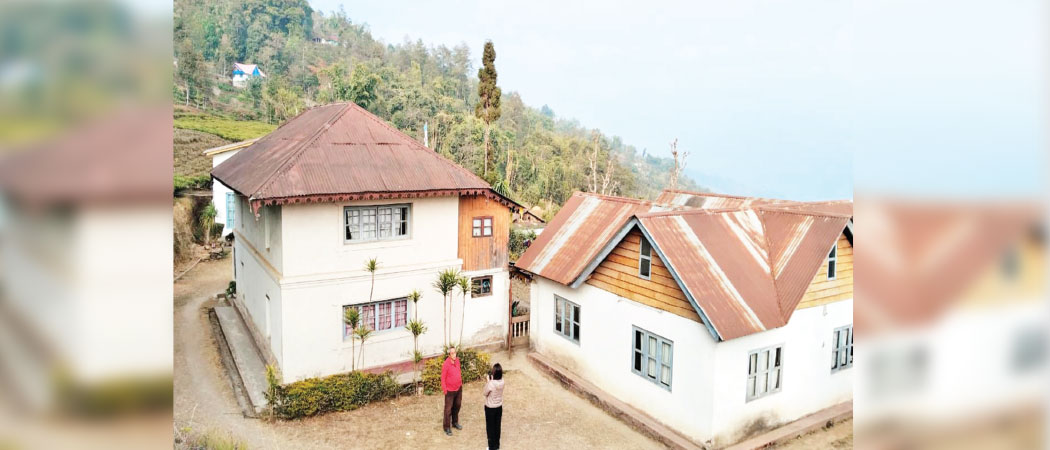

By Kokila Dhakal,Ilam, Mar. 24: Tourists visiting Ilam are increasingly drawn to the Nepal Village Homestay, located just outside the district headquarters. Unlike modern hotels or resorts, this homestay is run from a 110-year-old traditional house, offering visitors an authentic experience.
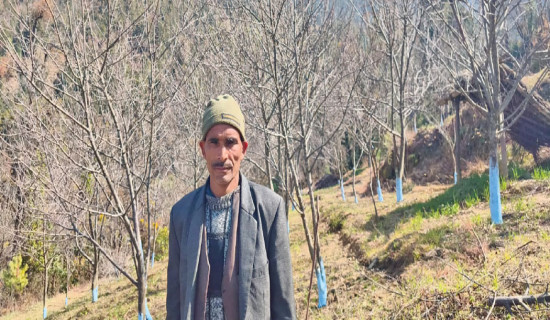
Situated at Ghaletar, Ilam Municipality-5, the house was originally built by Narendra Gurung’s great-grandfather, Ranbir Gurung, over a century ago. For the past nine years, Narendra has been operating it as a homestay. After retiring from a Japanese organisation, JICA, in 2016, he decided to transform the ancestral home into a welcoming space for guests.
“When I worked with international visitors in development projects, I often wondered what they sought in Nepal. The type of accommodation, local cuisine, and authentic experiences that visitors sought inspired me to start the homestay,” Gurung explained. He adds that his long interaction with foreigners helped him understand their preferences, which shaped the homestay’s offerings.
Despite being near the town centre, the homestay is set in a peaceful village environment, largely unknown to domestic tourists. “We receive far more foreign visitors than Nepali guests. Many stay from a week to a month, exploring Ilam while fulfilling their work and travel plans,” Gurung said, estimating 8–10 foreign visitors per month.
Visitors are introduced to Ilam’s agricultural lifestyle and guided to local attractions, including Mai Pokhari, Sandakpur, and Pathibhara Temple in Taplejung. The homestay also hosts programmes for various organisations, helping preserve local culture and traditions. “Operating a homestay in the village promotes local products, safeguards cultural heritage, and provides income opportunities for the community,” Gurung said.
The approach has earned recognition from local tourism stakeholders. Krishna Paudel, President of the Ilam Chamber of Commerce and Industry, urged other tourism businesses to adopt similar models. “Even close to the market, such homestays attract visitors. While it’s not about replicating the model, tourism operators need to offer unique experiences, whether staying in tea gardens, exploring wildlife like red pandas, or visiting herbal and wetland centres,” Paudel said.
Tour operators also report a growing preference for rural stays. Grishma Subba, who works in local transport, said visitors—especially from India’s West Bengal and elsewhere in Nepal, now seek quiet, scenic locations to relax and unwind. “Many tourists want peaceful, cool environments away from the hustle of town. Packages are now tailored to these preferences,” she added, noting that village-centred tourism is on the rise.
The local tourism office is focused on making homestays more tourist-friendly. Chief Shiva Lal Khatri from Ilam’s tourism office stated, “Many visitors now prefer homestays over hotels. While some homestays are well-equipped, others need basic improvements. We encourage operators to create a welcoming environment for tourists.”
According to Khatri, tourist numbers increased by 17 per cent last month compared to the previous month, with most choosing homestay due to its affordability, tranquility, and family-friendly atmosphere.
Nepal Village Homestay stands as an example of how heritage homes can be repurposed to boost tourism, support rural economies, and showcase cultural traditions, all while providing visitors with an authentic, immersive experience.
-original-thumb.jpg)