- Saturday, 6 June 2026

Nepal GoodWeave Foundation conducts its 30th social audit
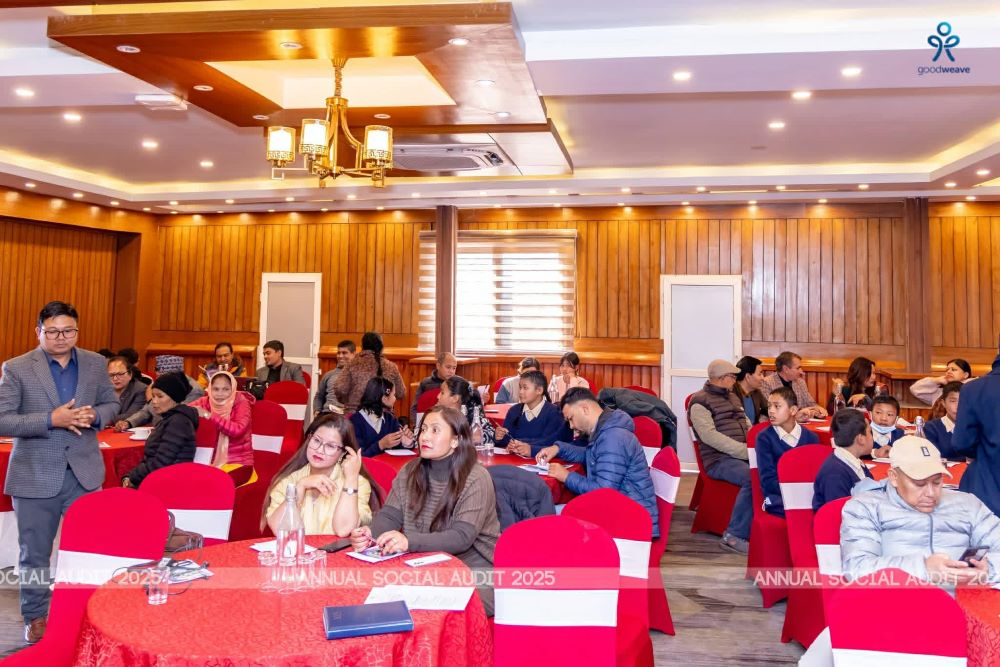
Kathmandu, Dec 19: Nepal GoodWeave Foundation (NGF) successfully conducted its 30th Social Audit Program in Kathmandu, reaffirming its long-standing commitment to transparency, accountability, and the protection of children’s rights.
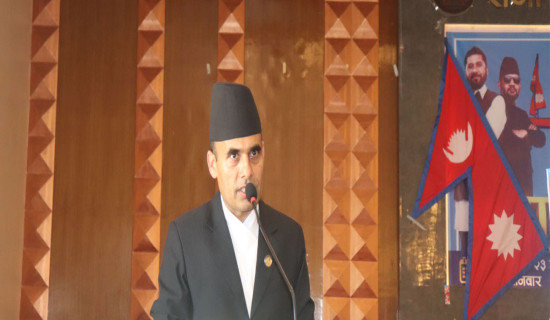
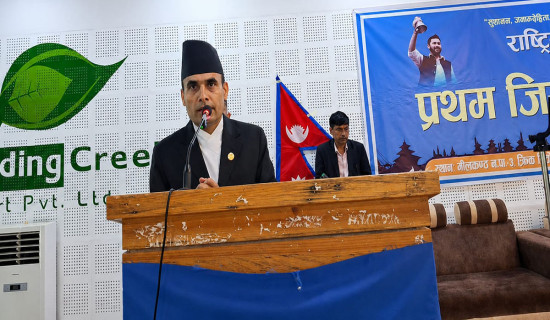
Addressing the program, Secretary of the National Human Rights Commission (NHRC)Murari Prasad Kharel commended NGF for its continuous efforts in rescuing children from forced labor and restoring their rights.
He emphasized the importance of strengthening coordination with provincial governments, local bodies, the private sector, and human rights institutions to further advance child-labor-free practices.
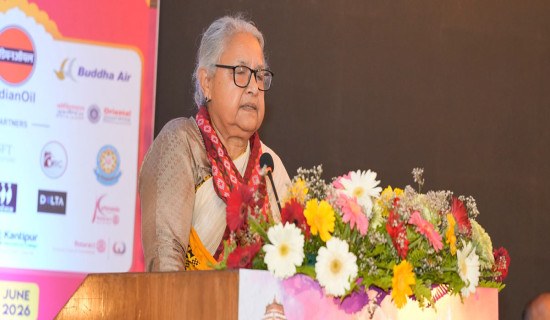
Special Guests Bhagawati Sangraula from the Social Welfare Council, Shanta Thapa, Deputy Mayor of Kageshwori-Manohara Municipality, and Devi Khadka from the NGO Federation of Nepal praised NGF’s contributions in child protection and expressed their institutions’ commitment to continued collaboration and support.
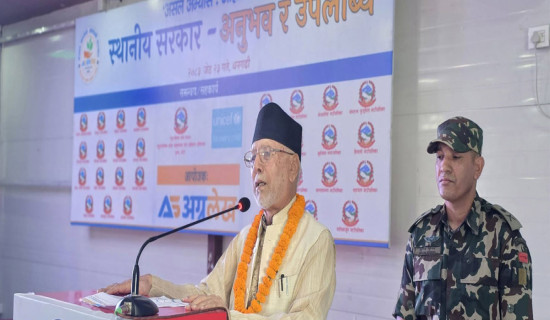
Advisor and founding chairman Binod Karki reflected on the Foundation’s journey since its establishment, highlighting its role in promoting ethical practices and safeguarding children in vulnerable sectors.
President of the NGF, Ubaraj Bhandari, assured that all constructive feedback and recommendations shared during the Social Audit would be incorporated into future plans and programs.
Chairperson of the Carpet Association, Balaram Gurung, acknowledged NGF’s significant contribution to improving the international credibility and ethical image of Nepali carpets.
The Social Audit report was presented by Senior Program Manager Hem Bahadur Moktan, who provided a comprehensive overview of NGF’s programs, achievements, challenges, and future priorities.
General Secretary Kiran Thapa reaffirmed the Foundation’s commitment to strengthening monitoring systems, rehabilitation services, and child-labor-free standards.
Representatives from the National Child Rights Council, local governments, NGOs, member organizations, beneficiaries, transit home children, journalists, and other stakeholders actively participated in the program, making the session inclusive and interactive.
-original-thumb.jpg)
-square-thumb.jpg)
-square-thumb.jpg)

-original-thumb.jpg)